
World Sandwich Atlas - Japanese Sandwich Guide
What Is a Katsu Sando? Bread, Sauce, Cabbage, and Cutlet
A practical guide to the Japanese katsu sando, from shokupan and panko cutlet to tonkatsu sauce, cabbage, and clean structure.
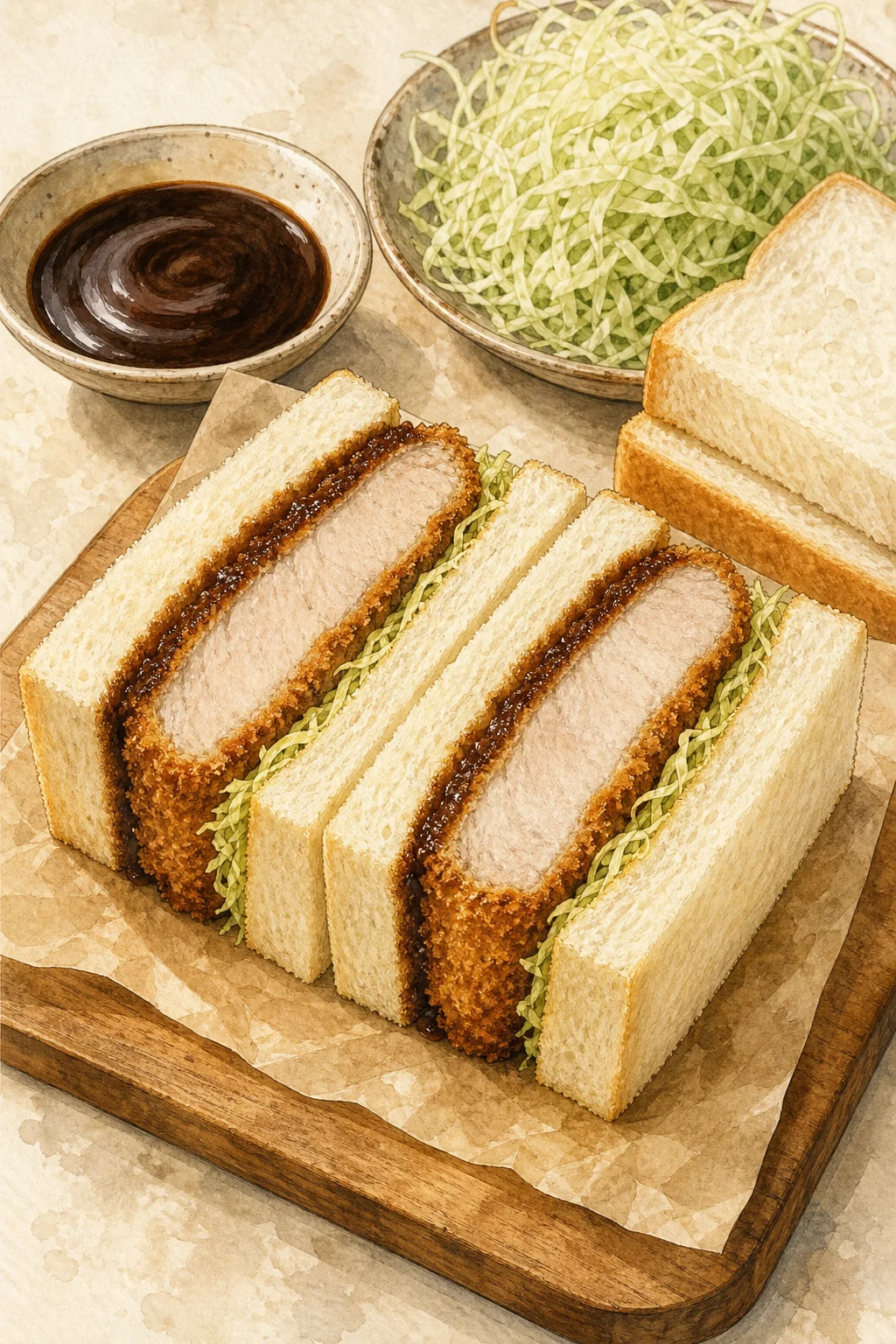
A katsu sando is a Japanese cutlet sandwich that looks restrained and eats with force: soft milk bread, a crisp panko-coated cutlet, sweet-savory sauce, and just enough cabbage to keep the richness moving.
The katsu sando is one of the clearest examples of Japanese sandwich restraint. It does not need a long ingredient list. The impact comes from contrast: feather-soft bread against a crisp cutlet, glossy sauce against fried crust, and cabbage that adds freshness without turning the sandwich into a salad.
It is also a sandwich where neatness matters. The square edges, clean cross-section, and compact shape are not cosmetic extras. They make the cutlet easier to bite, the sauce easier to control, and the sandwich easier to carry.
What Is a Katsu Sando?
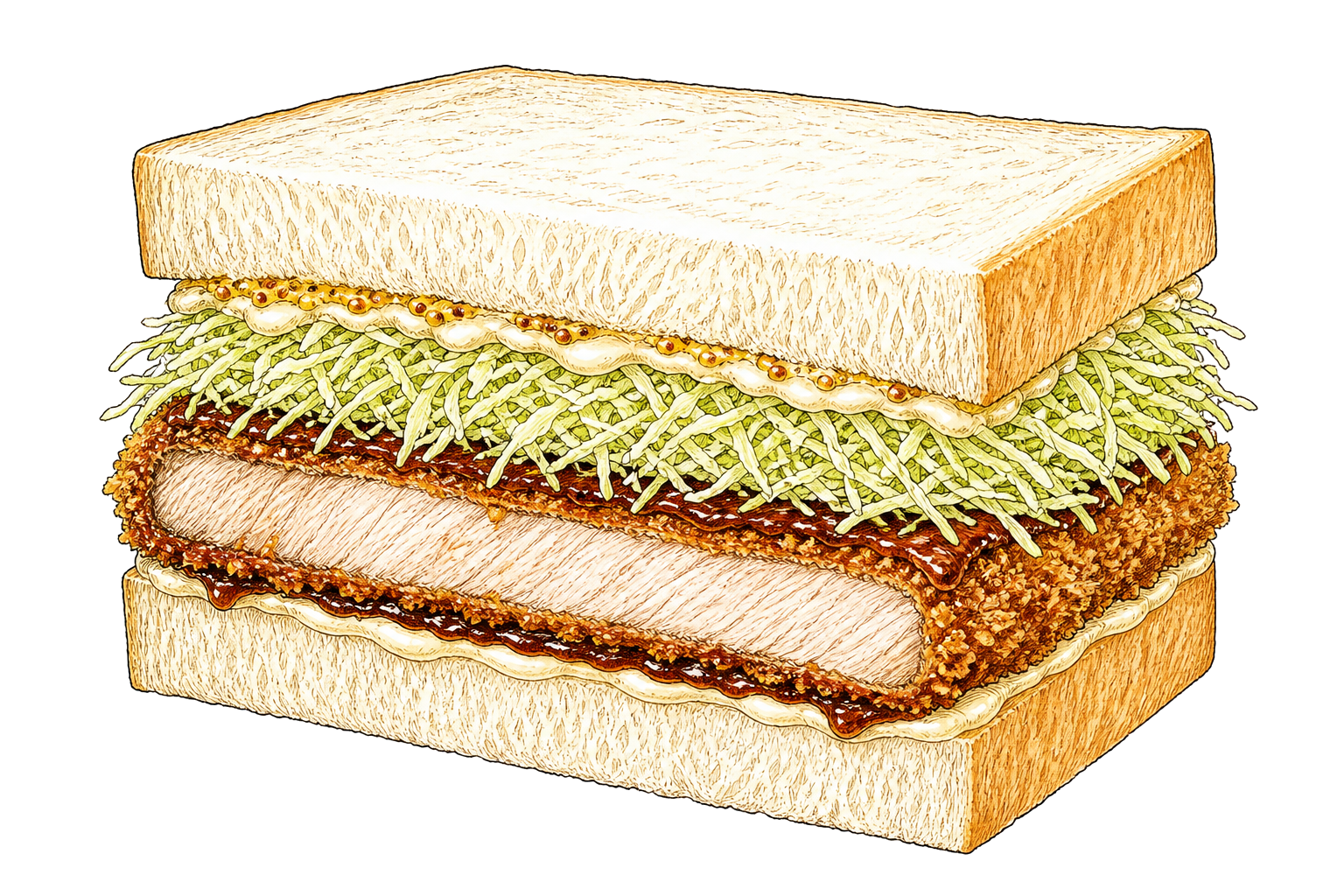
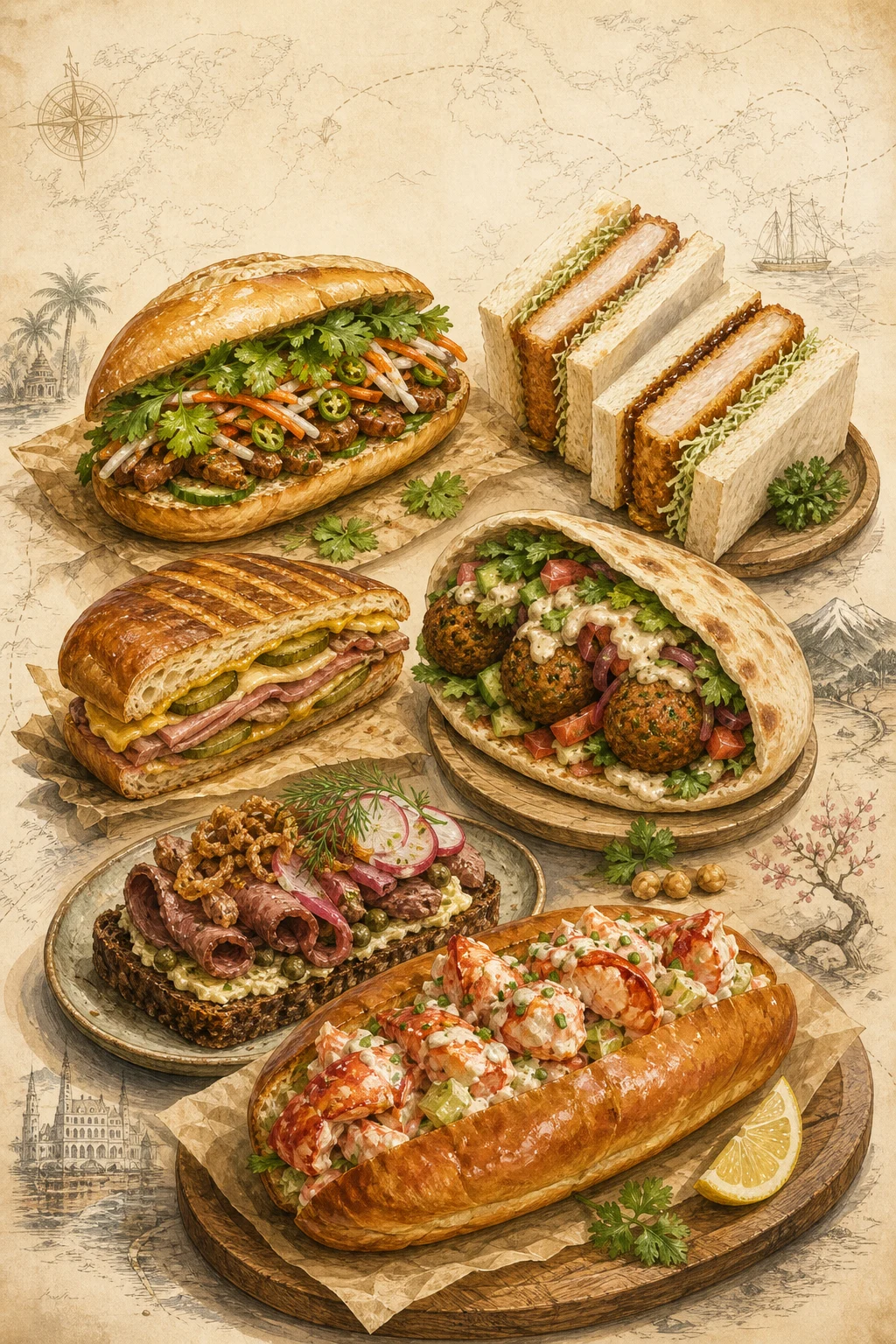
A katsu sando is usually a pork or chicken cutlet sandwich made with shokupan, Japanese milk bread. The cutlet is breaded with panko, fried until crisp, sauced, and placed between soft square slices of bread. Many versions trim the crusts for a cleaner, cafe-style shape.
The word katsu comes from katsuretsu, a Japanese adaptation of cutlet. In sandwich form, the dish takes tonkatsu logic and turns it handheld: cutlet, sauce, cabbage, and bread in a tight, readable stack.
A Careful Origin Story
Katsu sando origin stories are often tied to Tokyo tonkatsu shops and early twentieth-century yoshoku, Japan's Western-influenced cooking tradition. One widely repeated story comes from Isen Honten in Ueno, whose official site describes its first-generation proprietress creating a katsu sandwich so entertainers in the nearby district could eat neatly without smudging makeup.
That is a restaurant origin story rather than a neutral archive, so it is best treated carefully. What is clearer is the sandwich's cultural logic: a Western-style cutlet, Japanese milk bread, and a portable format shaped by precision, hospitality, and convenience.
Bread: Why Shokupan Matters
Shokupan is soft, slightly sweet, and fine-crumbed. It compresses gently around the cutlet instead of fighting it. A hard roll would compete with the panko crust; shokupan lets the cutlet stay crisp while the bread keeps the bite tender.
The bread also controls moisture. A thin layer of butter, mustard, or sauce can protect the crumb, but the key is restraint. The bread should taste plush and clean, not wet.
If you cannot find shokupan, use a thick, soft white sandwich bread or Pullman-style loaf. Toasting is optional, but if you toast, keep it light so the sandwich still has the soft contrast that defines the style.
The Cutlet: Crisp Outside, Biteable Inside
The cutlet should be thick enough to feel generous but not so thick that it pulls out of the bread. Panko crumbs create the signature coarse crust, and that crust needs a short rest after frying so steam does not immediately soften the bread.
Pork is classic, but chicken katsu sandos are common and practical. The same structure works: season the meat, bread it evenly, fry until crisp, rest briefly, sauce with care, and cut with a sharp knife so the cross-section stays clean.
Do not overload the sandwich with a hot, wet cutlet straight from the pan. Resting protects the bread, keeps the crust from steaming, and makes the final slice cleaner.
Sauce and Cabbage
Tonkatsu sauce is thick, sweet, tangy, and savory. It should cling to the crust rather than soak the bread. Spread or brush it across the cutlet so every bite gets sauce without creating puddles.
Cabbage has two jobs. It brings a pale green crunch and lightness, and it interrupts the fried richness. Slice it very thin, dry it well, and keep the amount modest. Too much cabbage makes the sandwich spring apart.
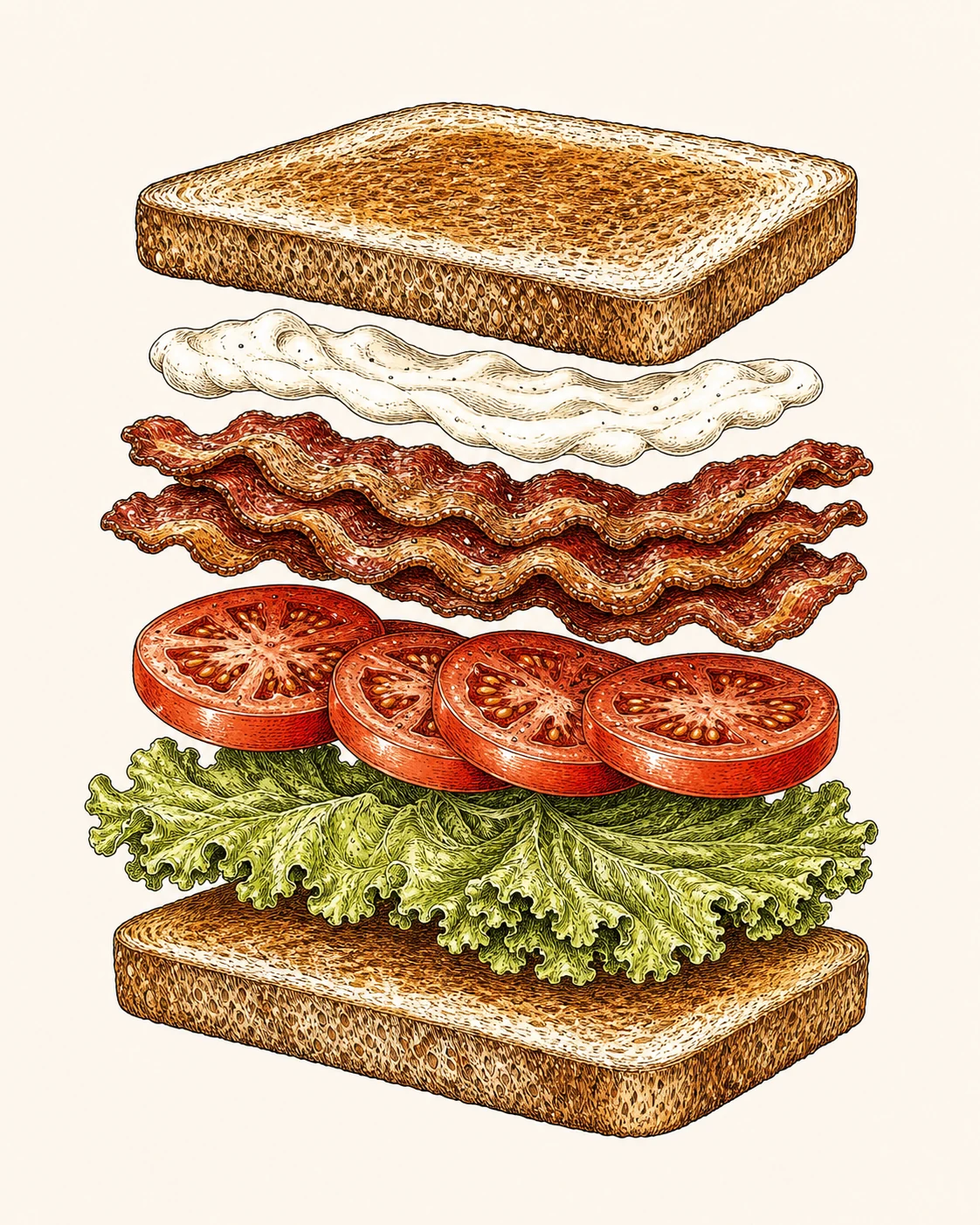
Layer order matters here. Bread, a thin protective spread, dry cabbage, sauced cutlet, and bread is a stable order. The cabbage catches sauce and fat while the bread stays cleaner.
How to Build a Better Katsu Sando
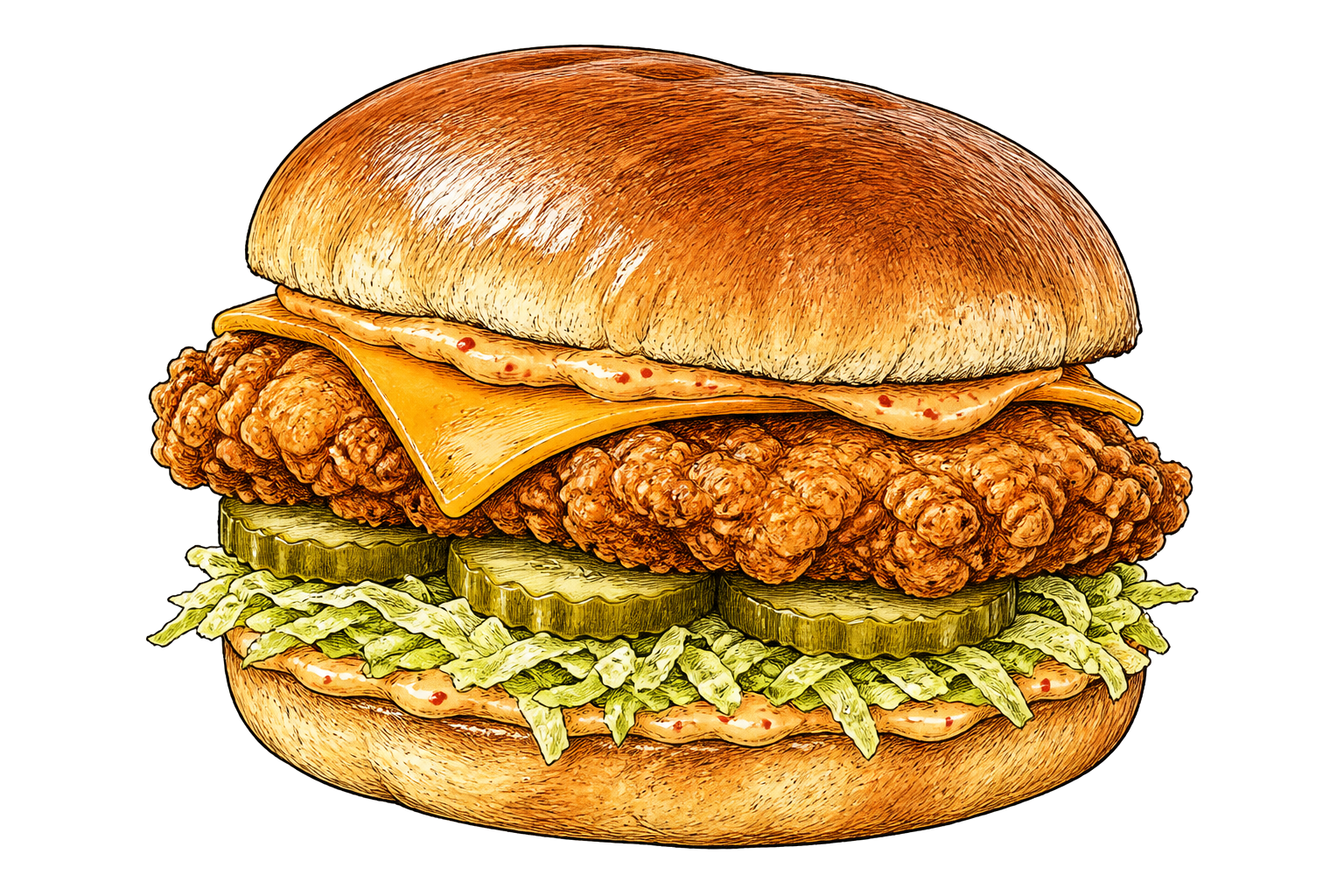
Cut all pieces to match the bread before assembly. A cutlet that overhangs dramatically looks generous but makes the first bite messy. A cutlet that is too small leaves empty bread corners.
Press the sandwich gently after assembly, then wait a minute before slicing. The pressure helps the layers settle into one block without crushing the bread. Use a sharp serrated knife and cut decisively through the crust and meat.
If you are building a chicken version, borrow the same logic from the classic: soft bread, crisp cutlet, controlled sauce, a dry shredded vegetable layer, and a clean cross-section.
Why It Belongs in the Sandwich Atlas
Katsu sando shows how a sandwich can be both simple and highly designed. It has the portability of a lunchbox sandwich, the visual precision of a cafe sandwich, and the comfort of fried cutlet with sauce.
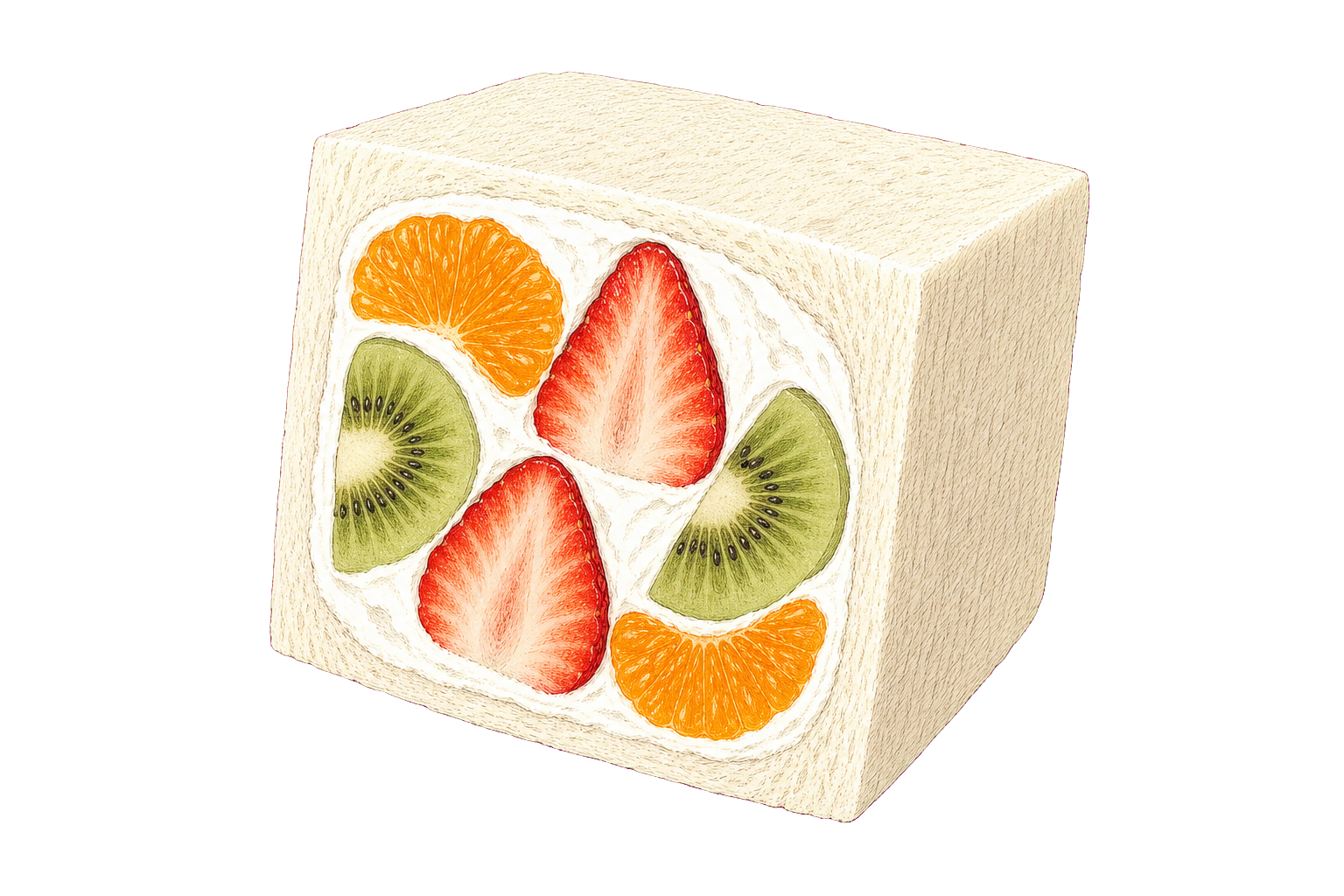
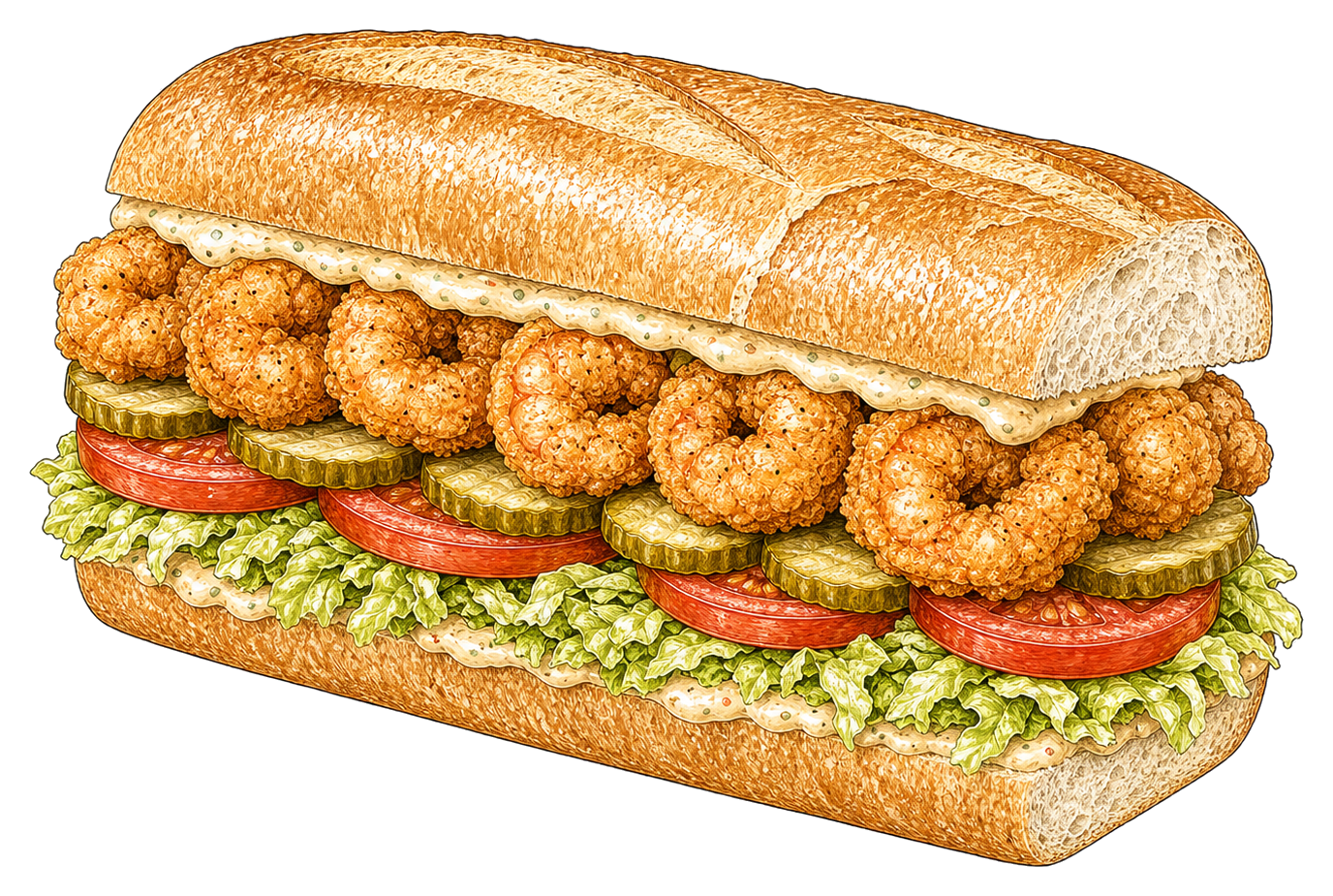
It also connects to other Sandwich Lovers recipes. The crispy chicken sandwich uses a similar fried-cutlet texture logic. Japanese fruit sando shows the same shokupan softness in a sweet direction. Even a shrimp po' boy shares the fried-filling question: how do you keep crisp texture alive inside bread?
Closing
A katsu sando works because every layer knows its job. Shokupan softens the bite, panko brings crunch, sauce adds depth, cabbage keeps the richness bright, and the square cut makes the structure visible.
It is not just a pork cutlet placed in bread. It is a lesson in how restraint can make a sandwich feel more complete.