
Sandwich Foundations - Technique Guide
How to Keep Sandwiches From Getting Soggy
A practical guide to bread barriers, draining, layer order, packing, and timing for cleaner sandwiches.
Sogginess is not one problem. It is a timing problem, a moisture problem, and a structure problem arriving at the bread at the same time.
A soggy sandwich usually has a clear cause: wet ingredients touching soft bread for too long. Tomatoes, pickles, dressed slaw, tuna salad, egg salad, warm fillings, and sauces can all be delicious, but they need control.
The fix is not to remove moisture. A dry sandwich is not better. The fix is to put moisture where it tastes good and keep loose liquid away from the bread.
Use a Bread Barrier
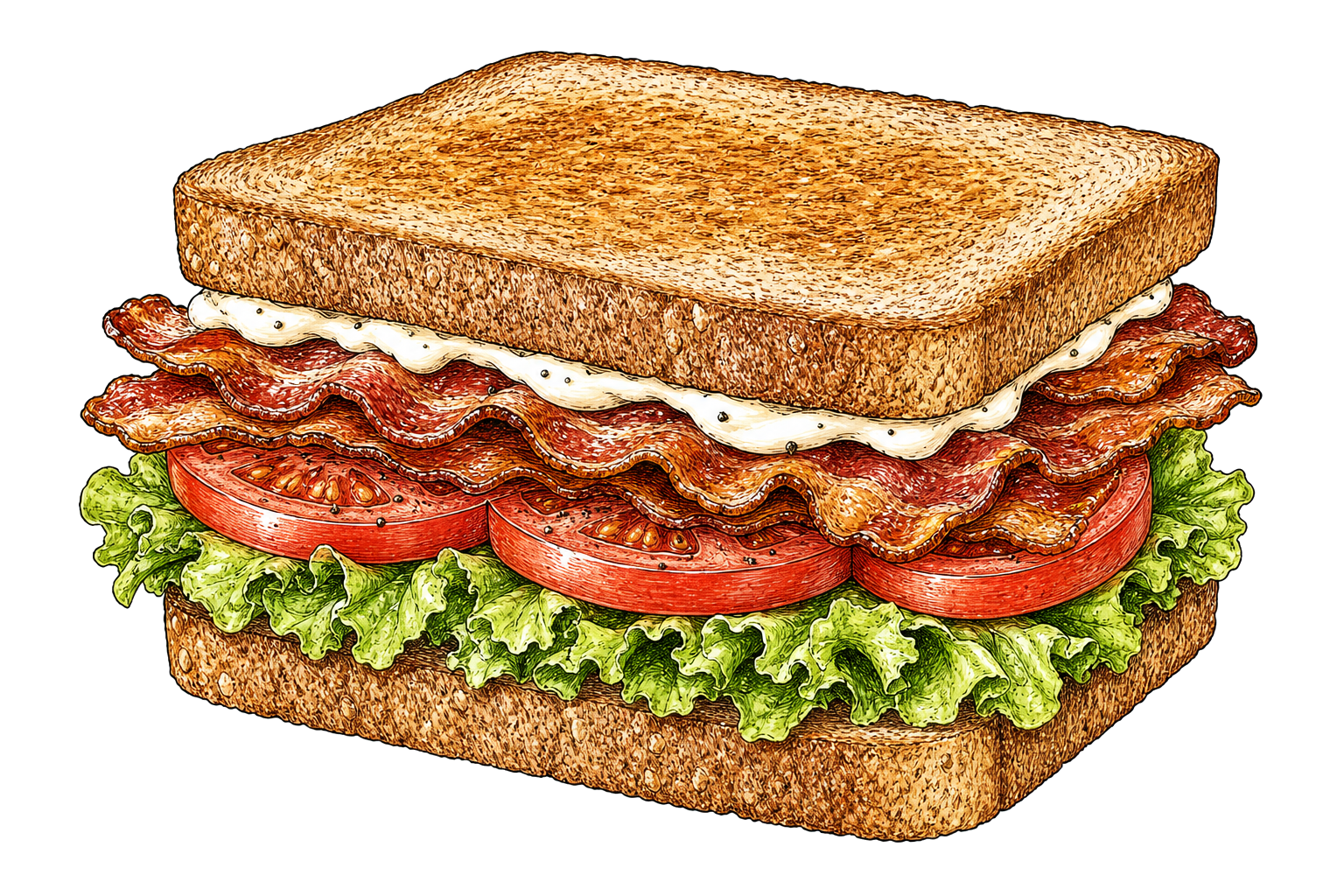
A bread barrier is any ingredient that slows moisture before it reaches the crumb. Mayonnaise, butter, cream cheese, hummus, melted cheese, lettuce, and toasted bread can all protect the bread while adding flavor.
Spread the barrier to the edge. A tiny dot of sauce in the middle does not help the corners, and the corners are often where wet ingredients escape first.
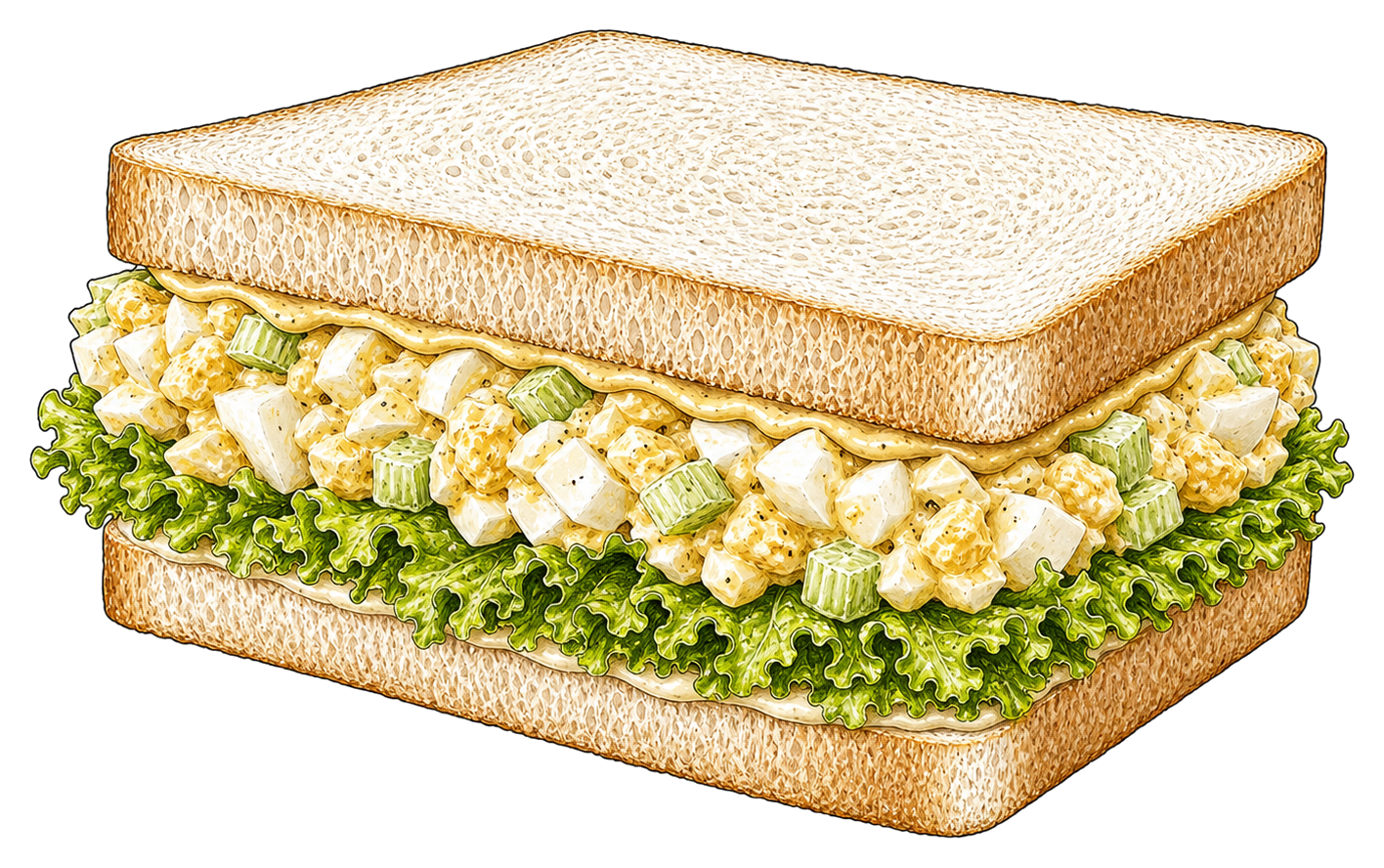
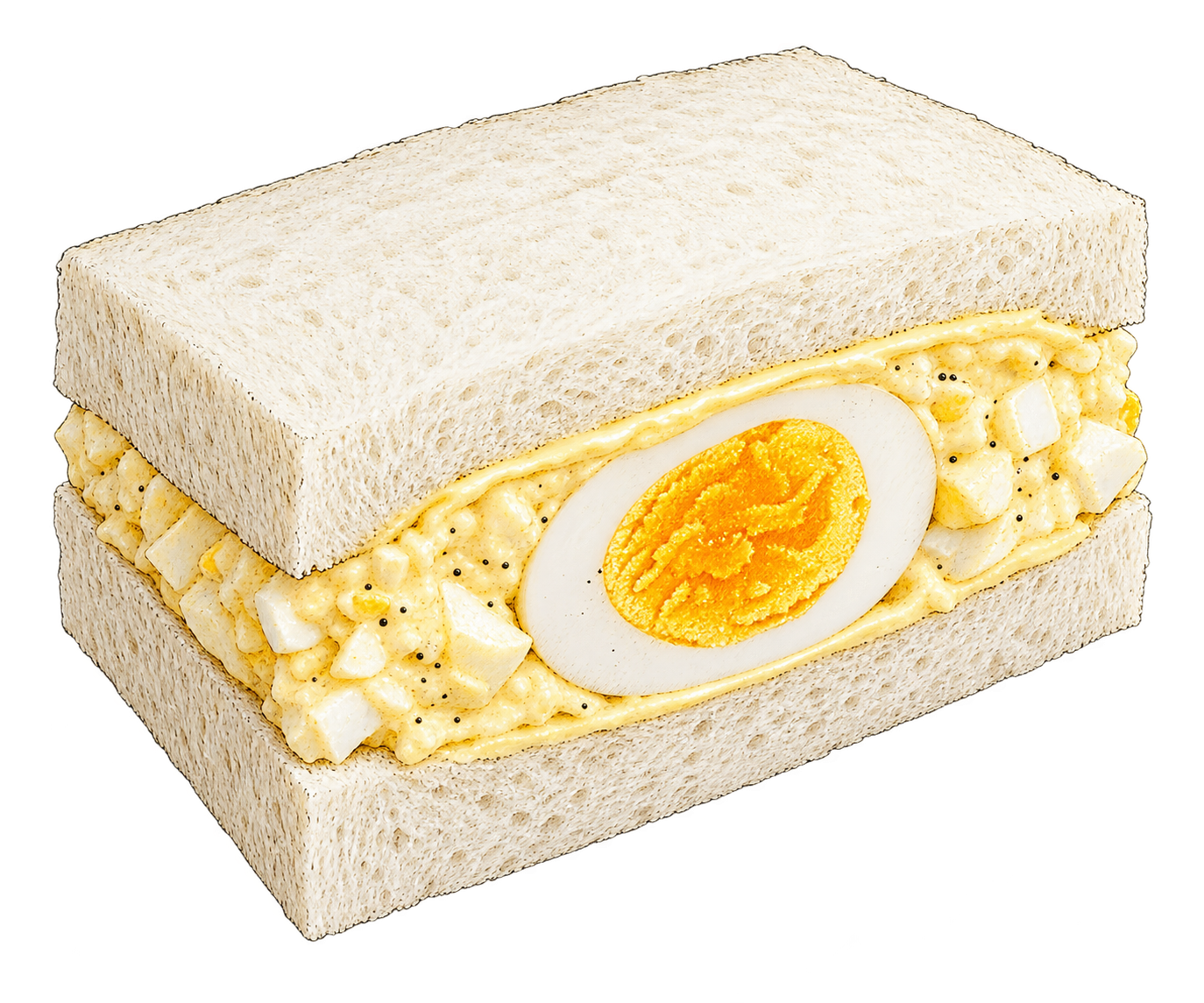
For a BLT, mayonnaise and dry lettuce protect the toast from tomato. For egg salad, lettuce can sit between the salad and the bread. For grilled cheese, melted cheese becomes the barrier.
Drain and Blot Wet Ingredients
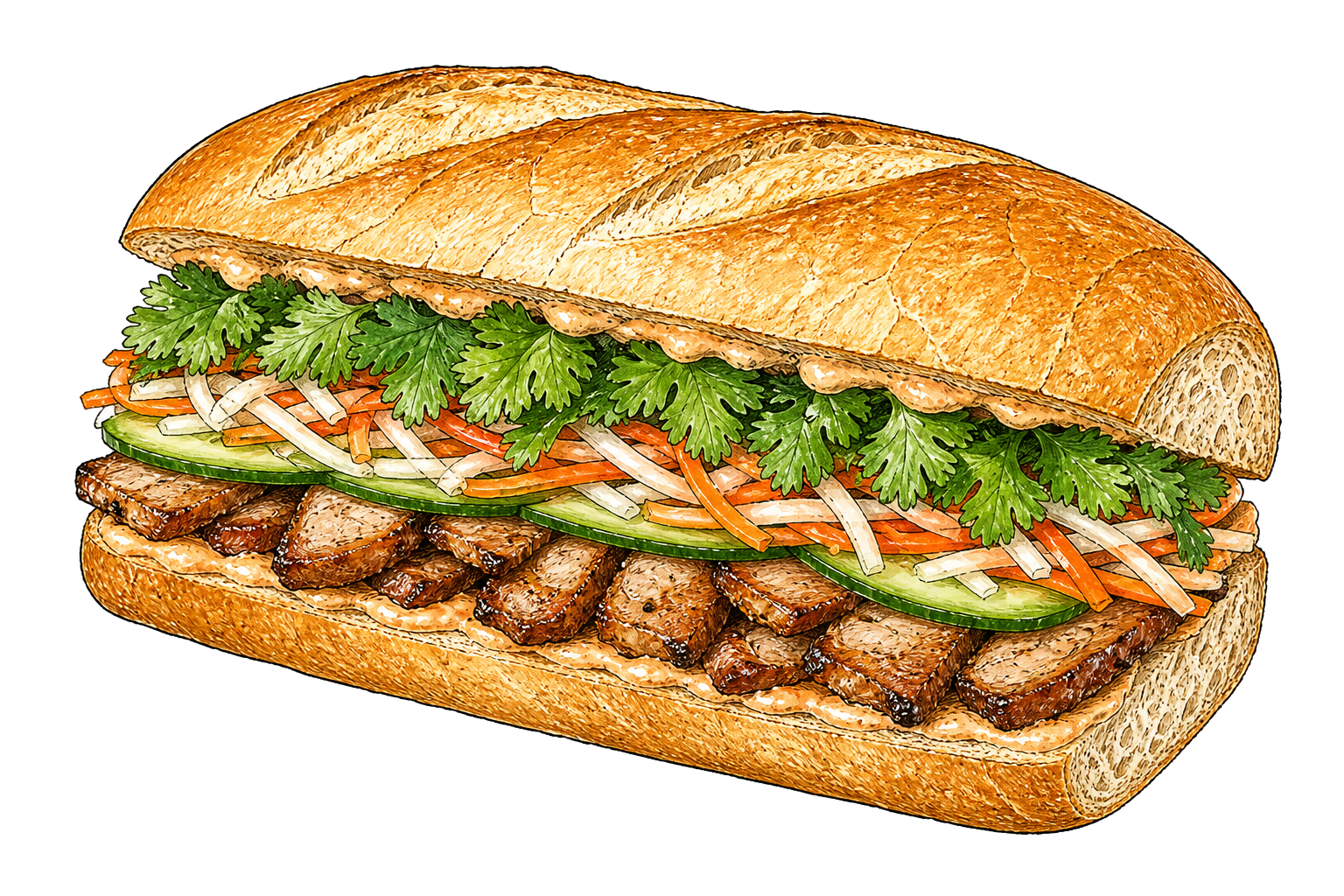
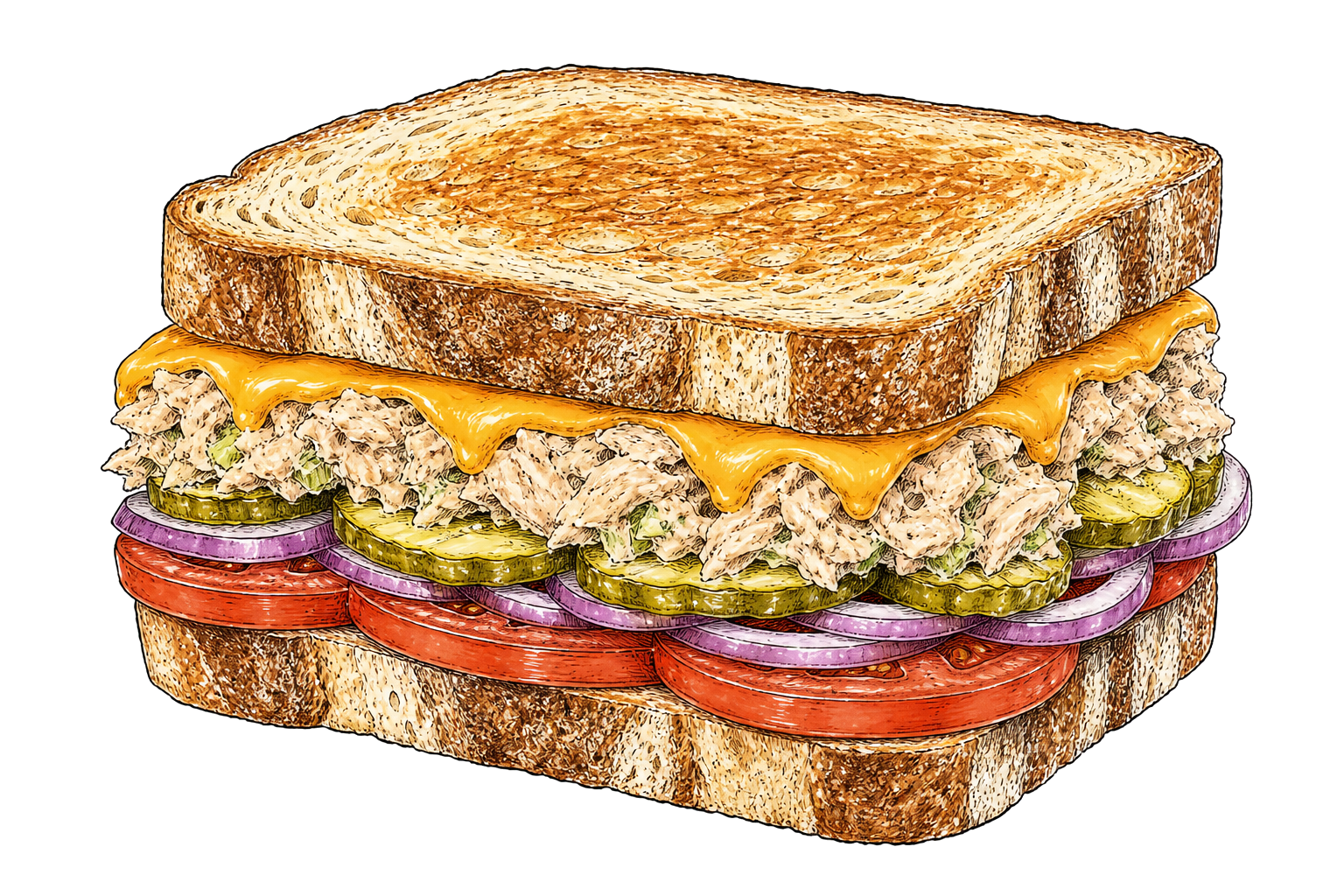
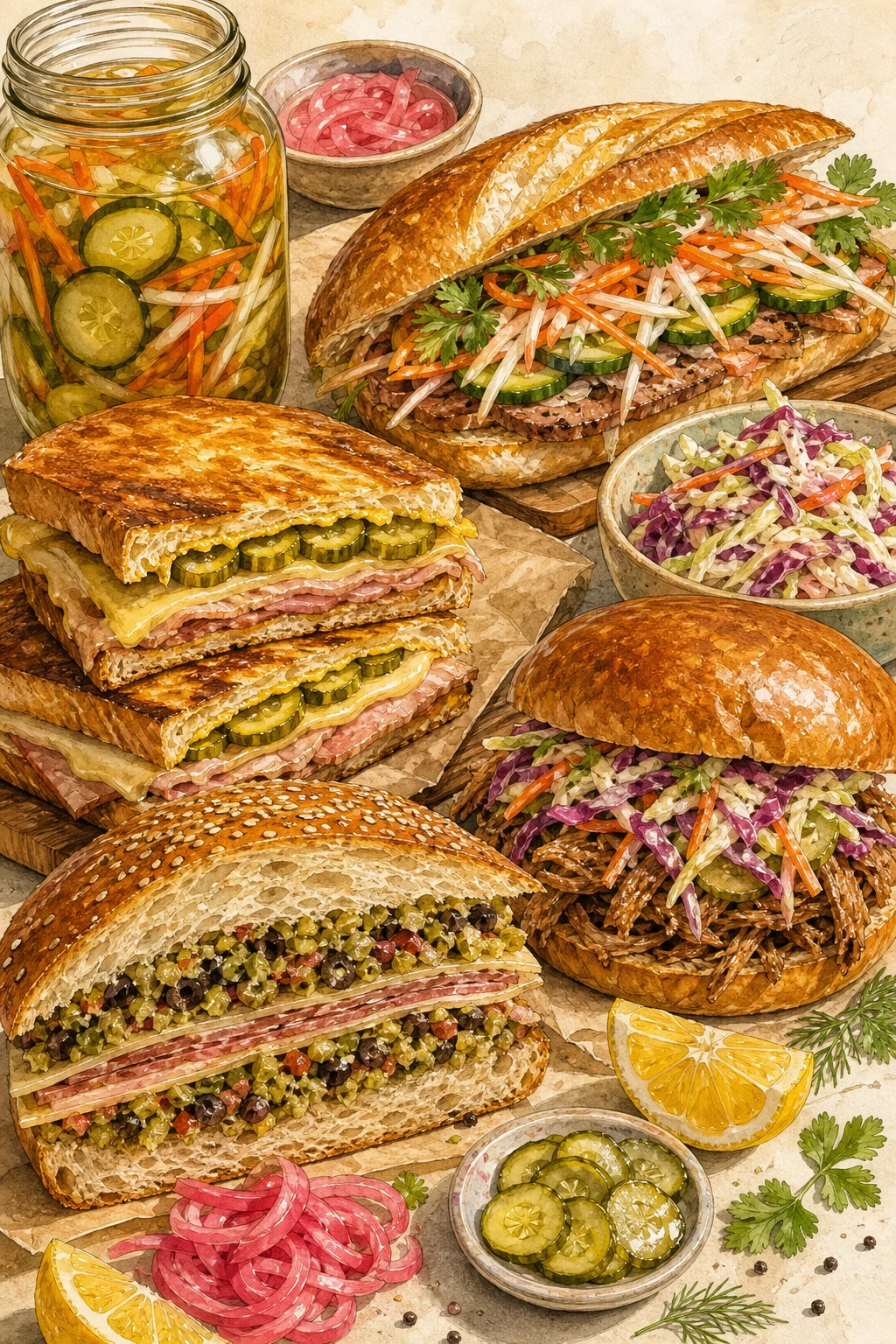
Pickles, tomatoes, roasted peppers, slaw, tuna, and egg salad should not go onto bread dripping wet. Drain brined ingredients, blot tomato slices, and spoon salad fillings with care.
Salted tomato is a good example. A little salt improves flavor, but it also pulls out water. Let tomato slices sit briefly, then blot them before assembly. You keep the better tomato flavor without letting the bread absorb all the juice.
For tuna salad and egg salad, mix until creamy but not loose. If the filling looks glossy and wet at the bottom of the bowl, it will make the bread wet too.
Layer Order Matters
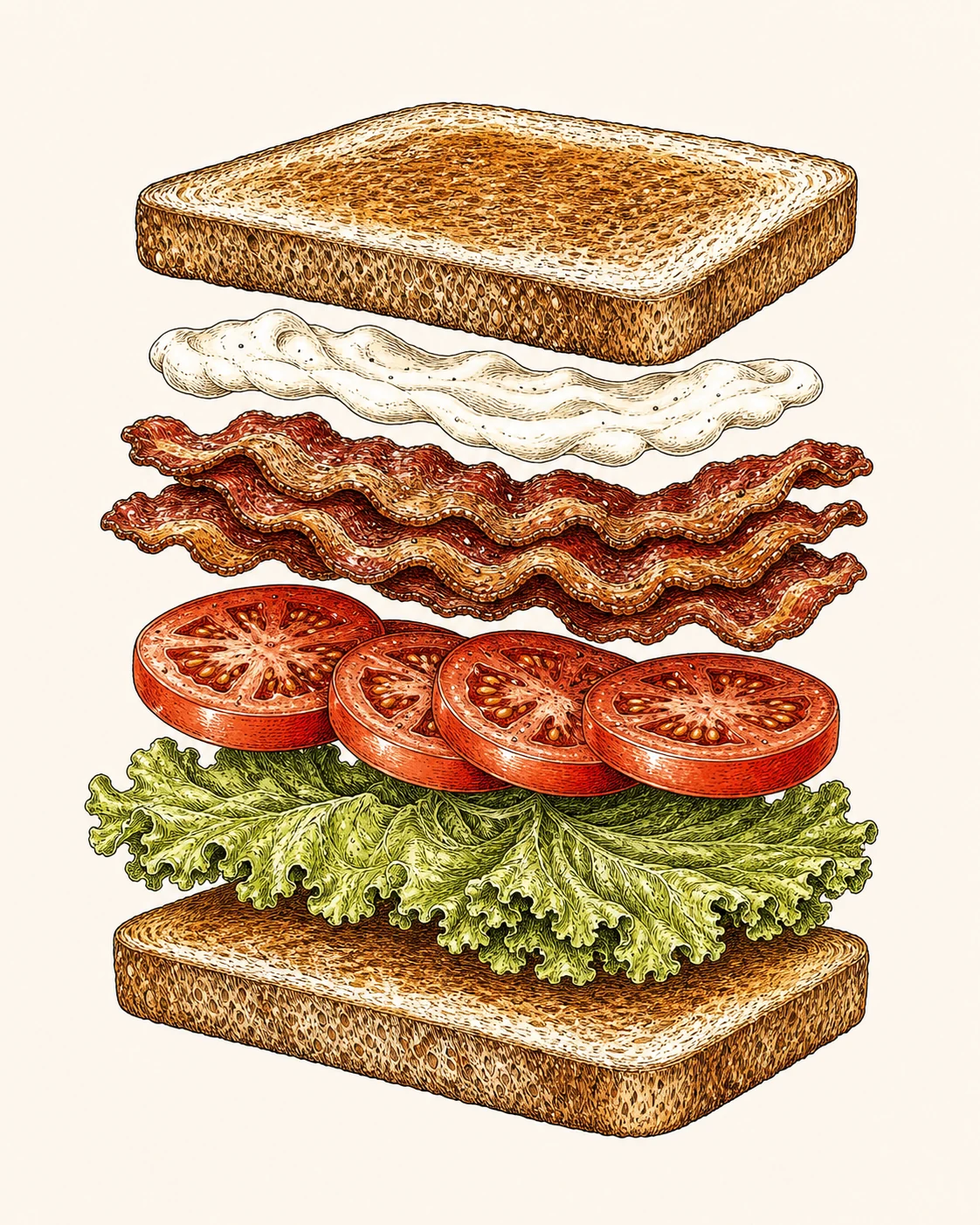
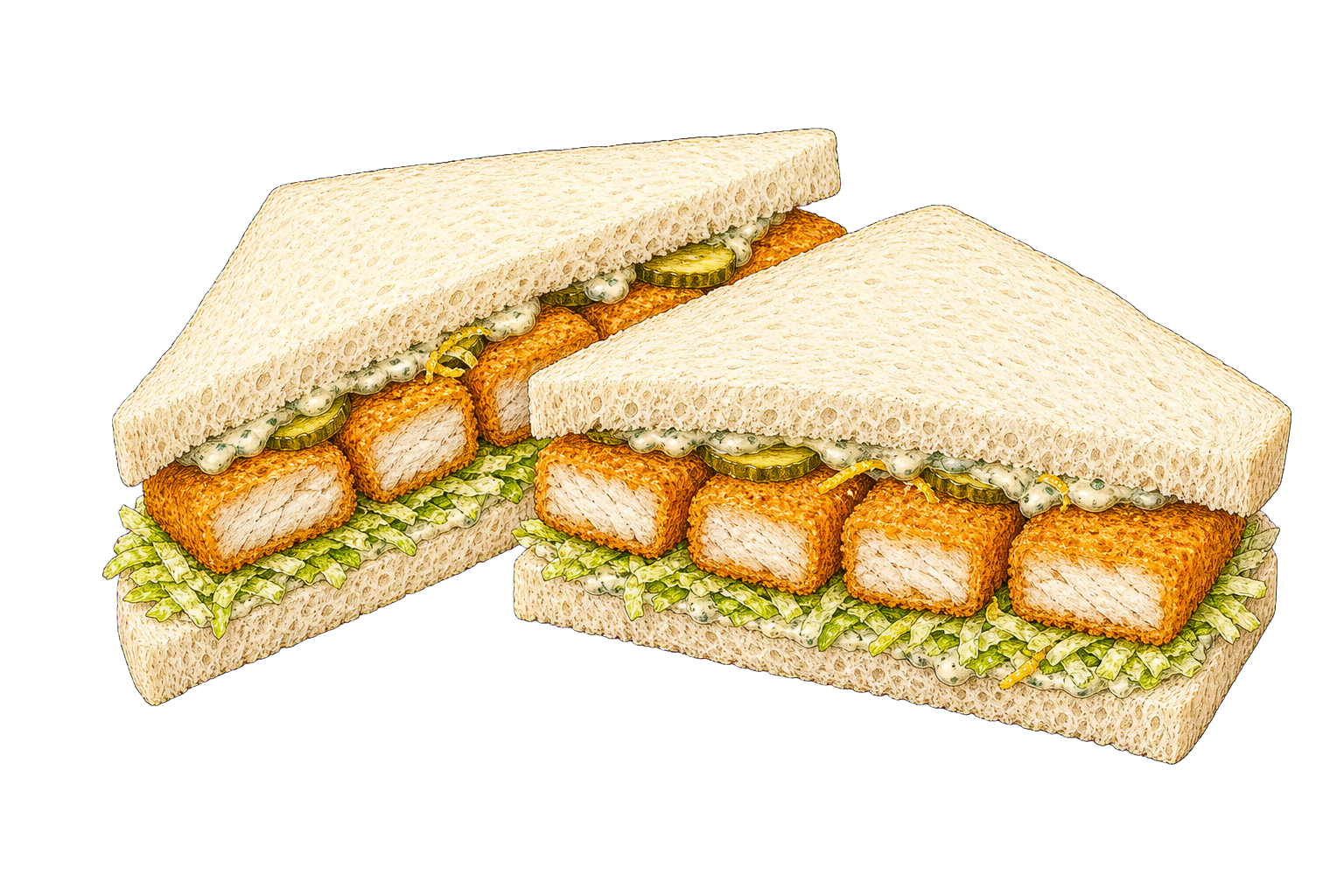
Put dry or protective ingredients next to bread and wet ingredients closer to the center. Lettuce, cheese, meat, fried cutlets, or a spread can shield the bread; tomatoes, pickles, slaw, and sauces are safer when they sit against those layers.
Hot sandwiches need a short rest before wrapping. Steam trapped inside a hot sandwich softens crust and turns crisp surfaces damp. Let the sandwich vent for a minute, then wrap it.
For packed lunches, consider building in two parts: bread and barrier together, wet filling in a small container, then assemble right before eating.
Choose Bread by Timing
If the sandwich will be eaten immediately, soft bread is fine. If it needs to sit for hours, choose sturdier bread or toast the inner face. If it will travel, avoid very juicy fillings unless they are packed separately.
Crusty rolls, rye, pita, and toasted bread handle waiting better than very soft white bread. That does not mean they are always better; it means they buy you time.
A make-ahead sandwich should be designed for storage from the start. Thick sauce, dry greens, drained pickles, and sturdy bread are more important than a dramatic stack.
Closing
The best anti-soggy strategy is not one trick. It is a sequence: choose the right bread, add a barrier, drain wet ingredients, layer with intention, and wrap only when the sandwich is ready.
Moisture belongs in the bite, not loose in the bread.