
Sandwich Foundations - Bread Guide
Best Bread for Sandwiches: How to Match Bread to Fillings
A practical guide to choosing sandwich bread by texture, moisture, filling weight, and bite.
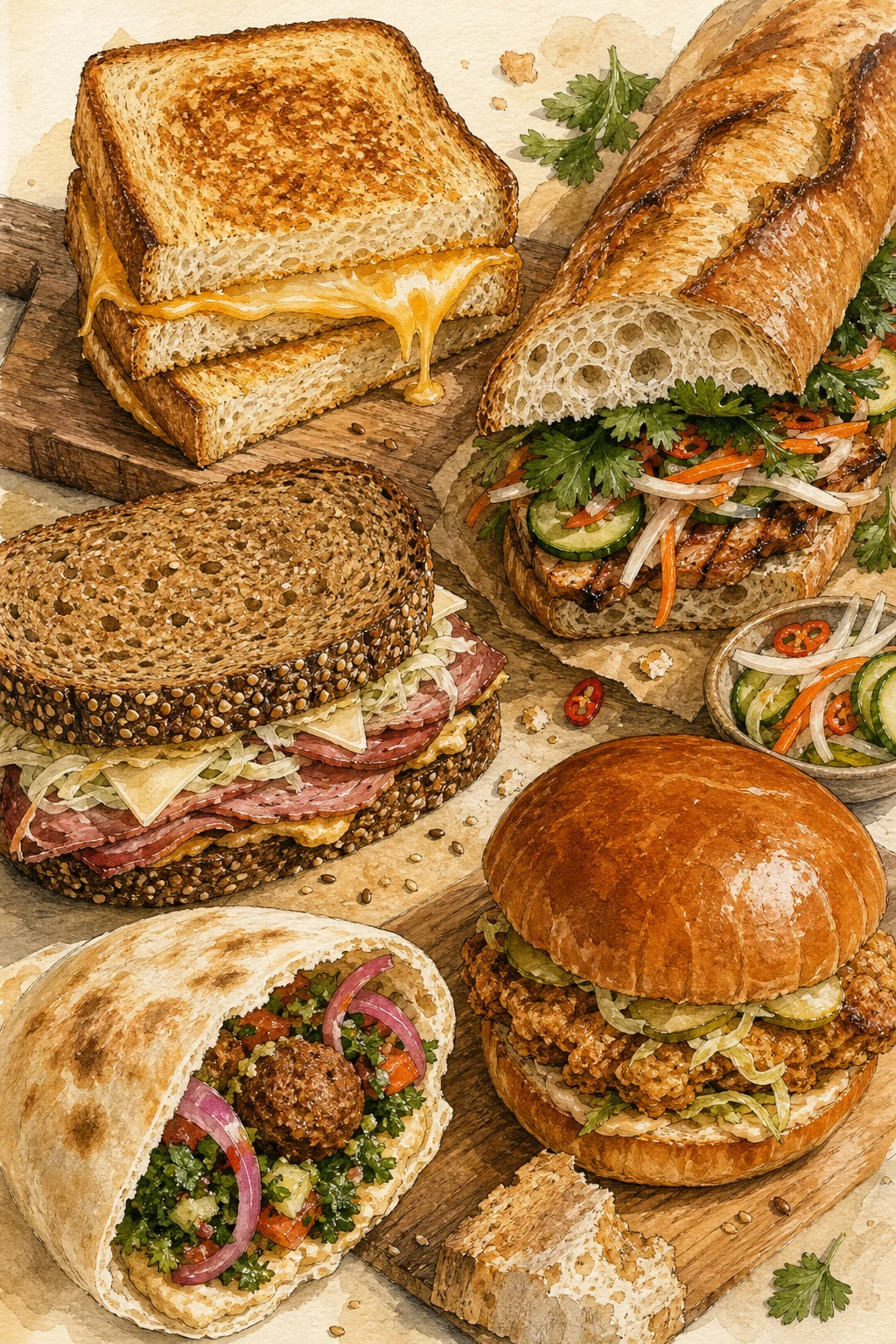
The best bread for a sandwich is not one universal loaf. It is the bread that matches the filling's weight, moisture, temperature, and bite resistance.
Bread is the first structural decision in a sandwich. Before the meat, cheese, salad, sauce, or pickles matter, the bread decides whether the sandwich will compress, shatter, soak, slide, or hold together.
A better bread choice starts with one question: what problem does the filling create? Juicy tomato needs protection. Fried chicken needs cushion. Tuna salad needs softness without collapse. Steak needs a roll that can handle chew without fighting the bite.
Soft Sliced Bread
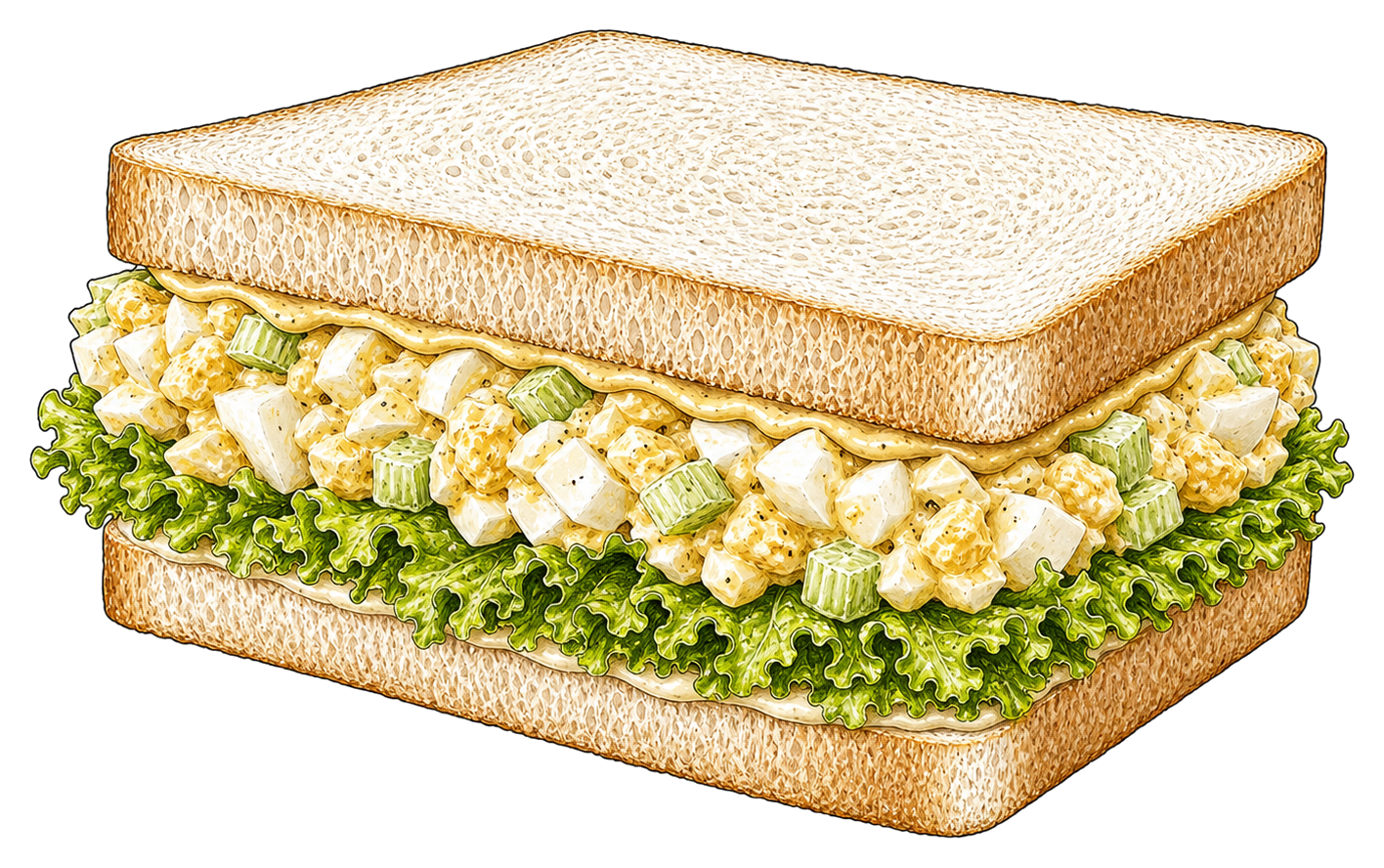
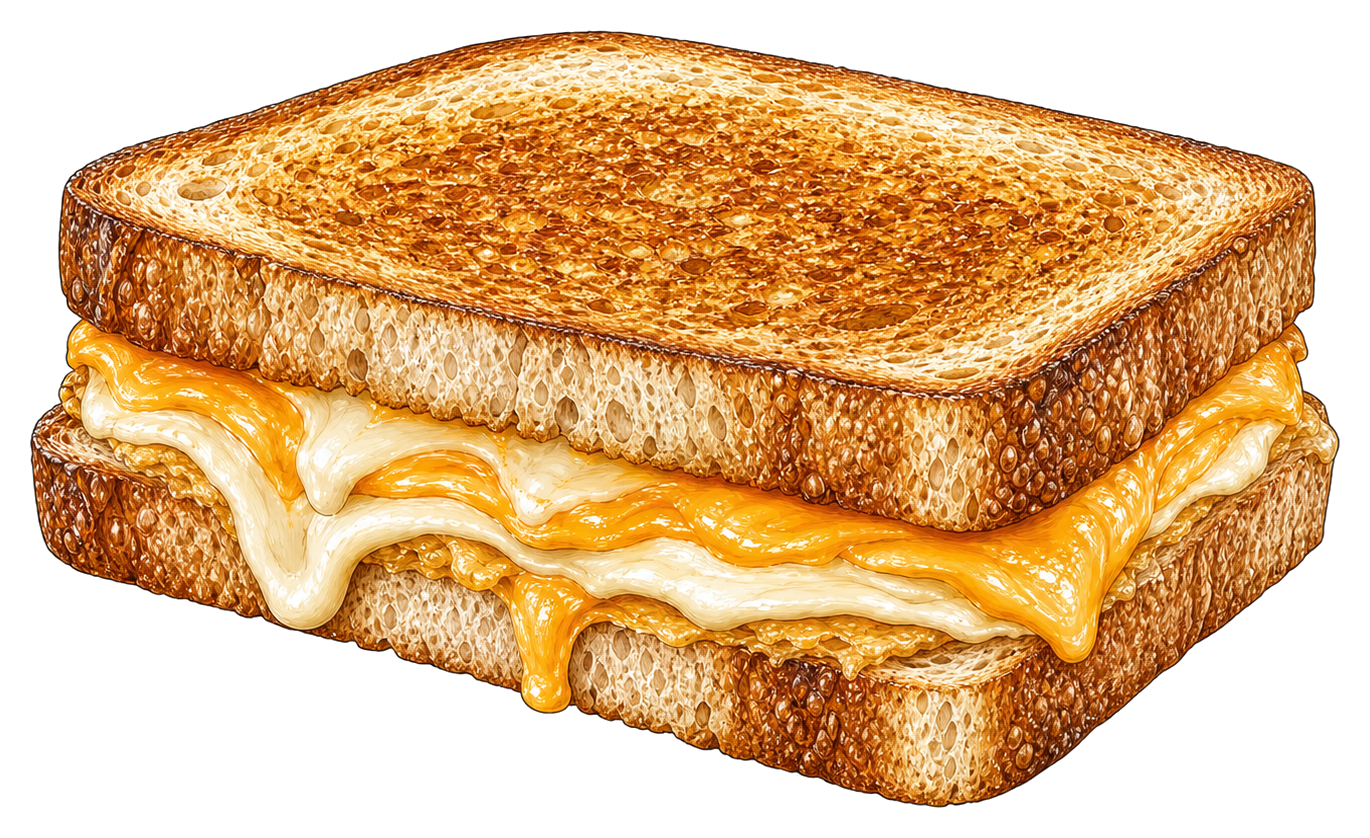
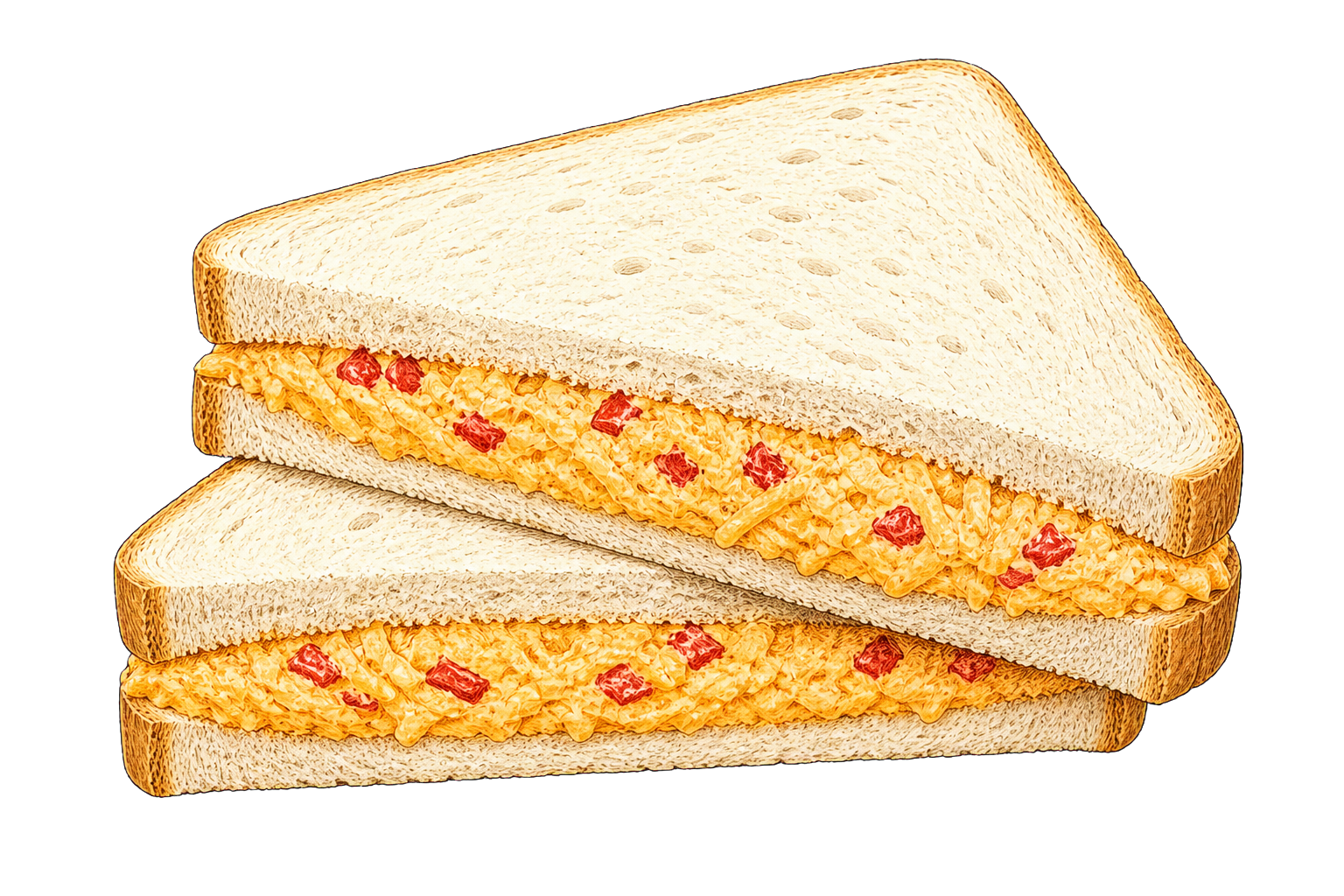
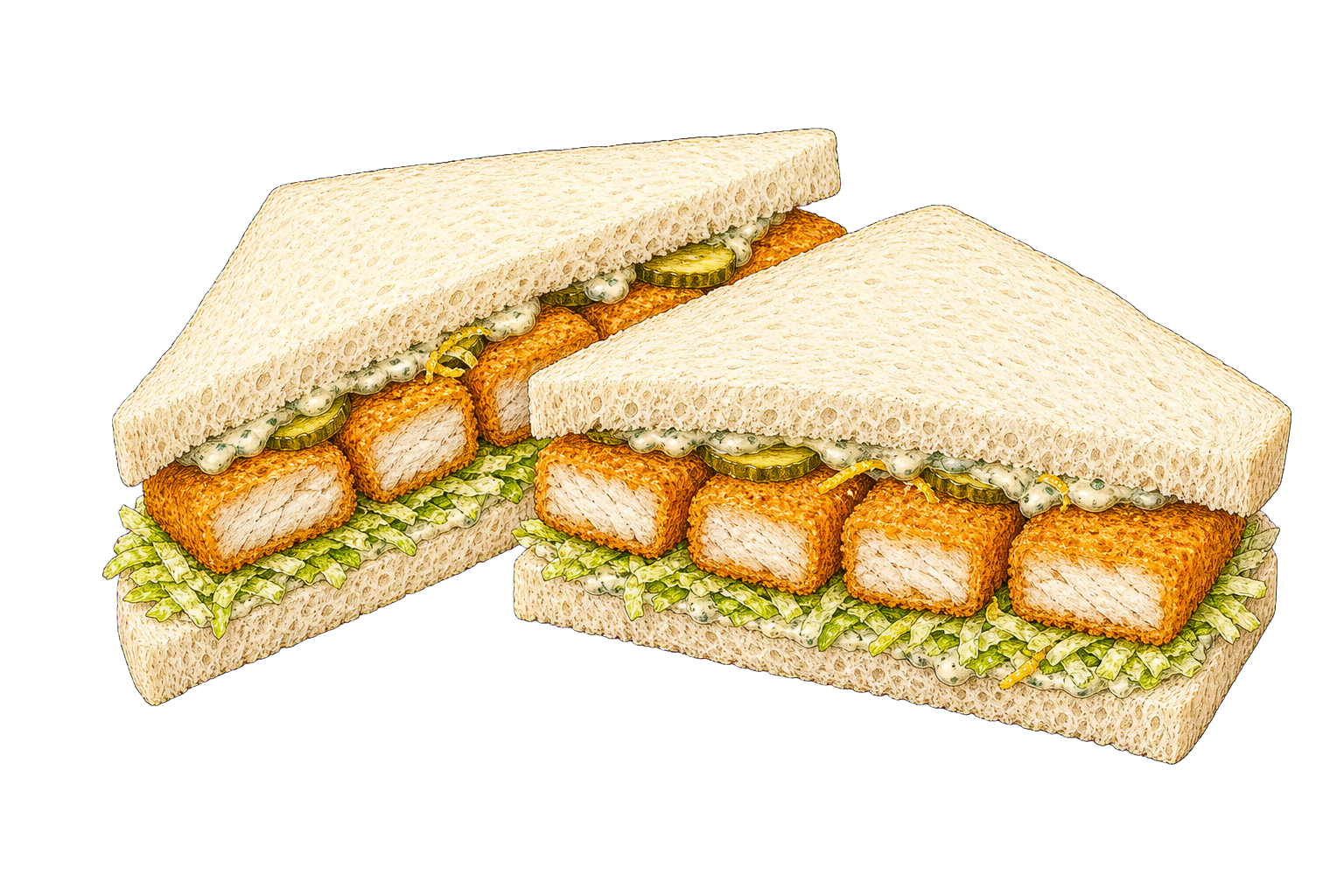
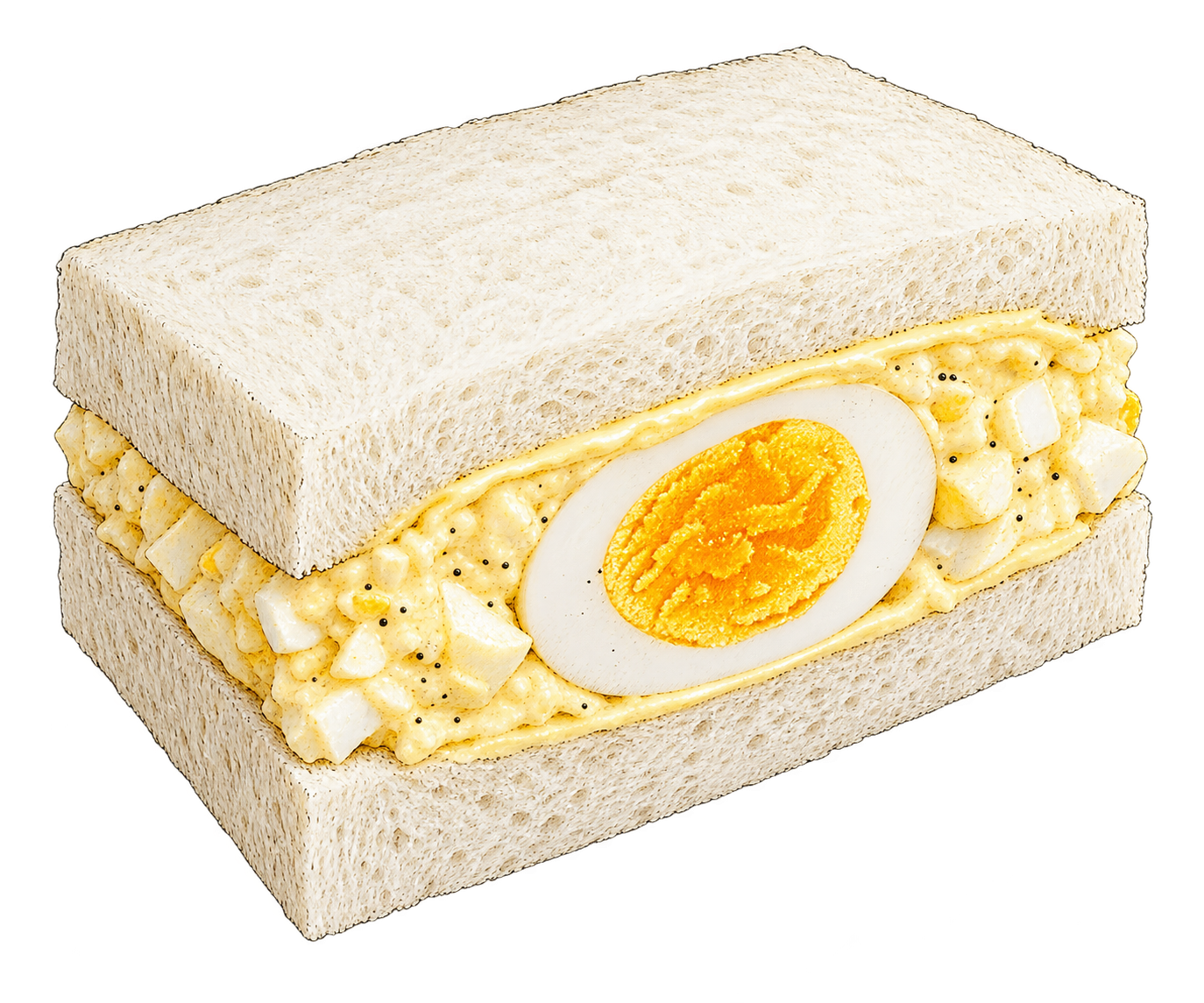
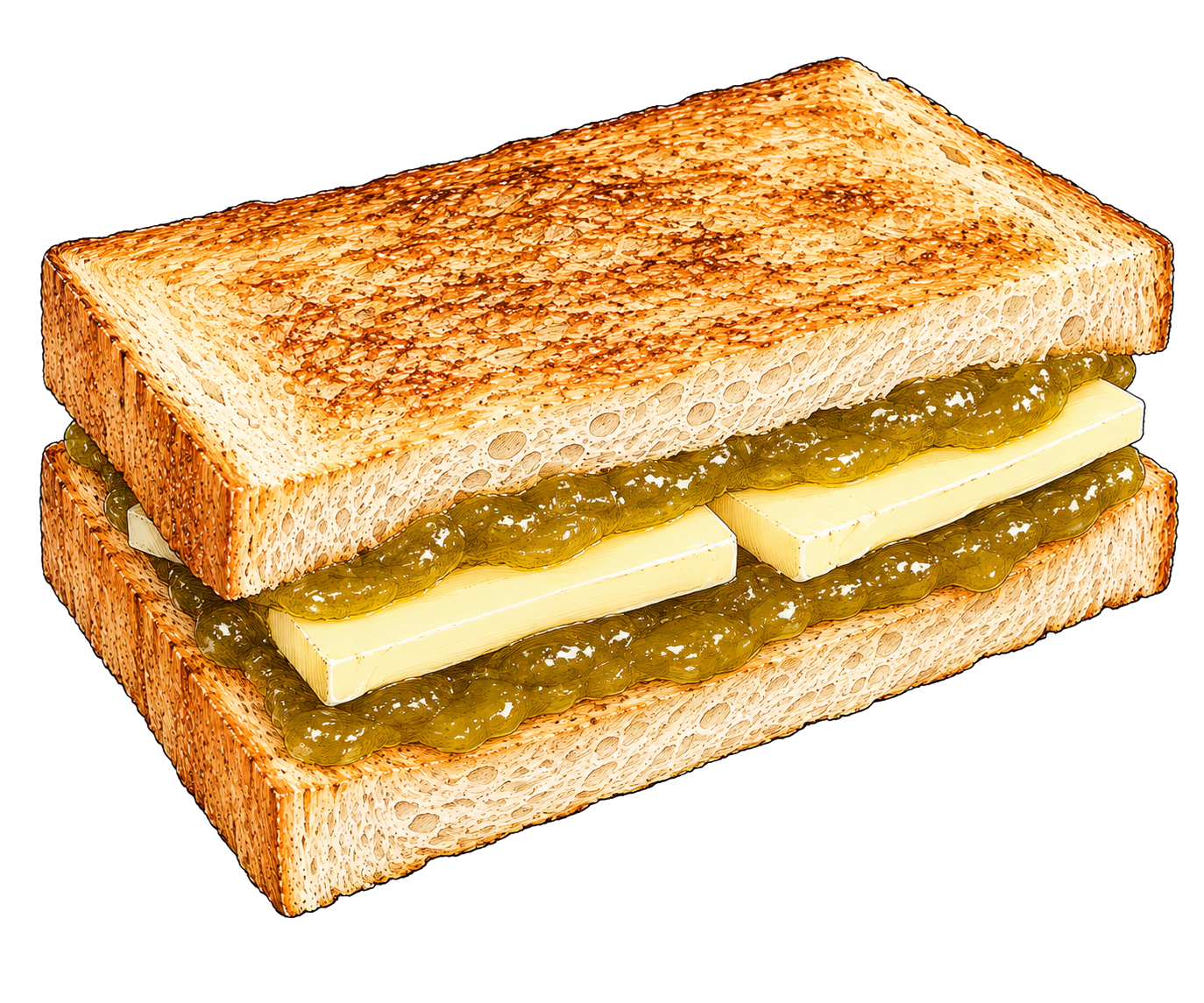
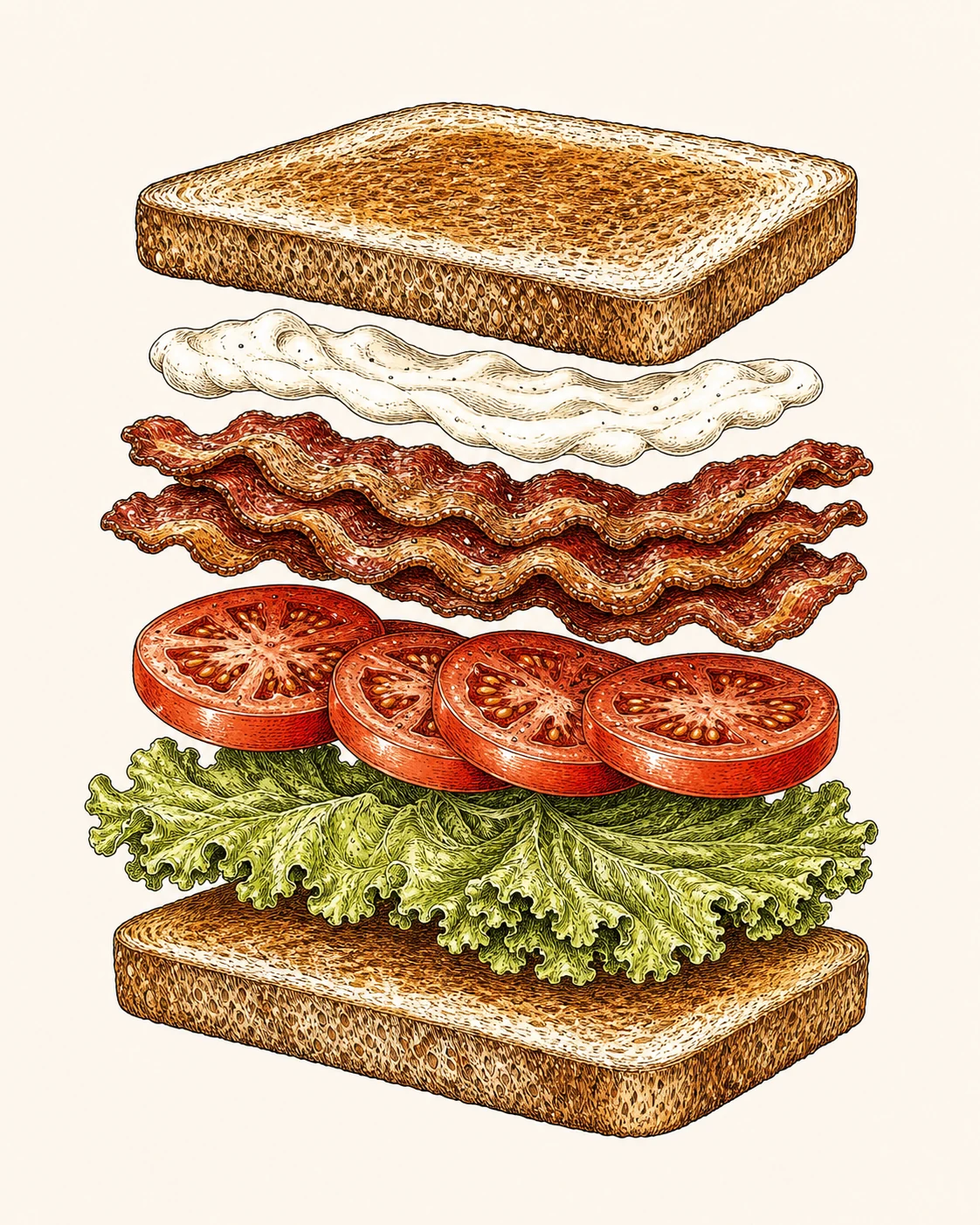
Soft sliced bread is best for sandwiches that should feel integrated: egg salad, tuna salad, cucumber tea sandwiches, classic BLTs, and grilled cheese. The bread gives way quickly, which lets the filling become the main texture.
The risk is moisture. Soft bread needs a barrier when the filling is wet. A thin layer of mayonnaise, butter, cheese, lettuce, or toast on the inside face can keep tomato juice, pickle brine, and salad dressing from soaking the crumb.
Use soft bread when the sandwich is meant to be clean, familiar, and easy to bite. Avoid it when the filling is heavy, saucy, or piled too high.
Rolls, Baguettes, and Crust
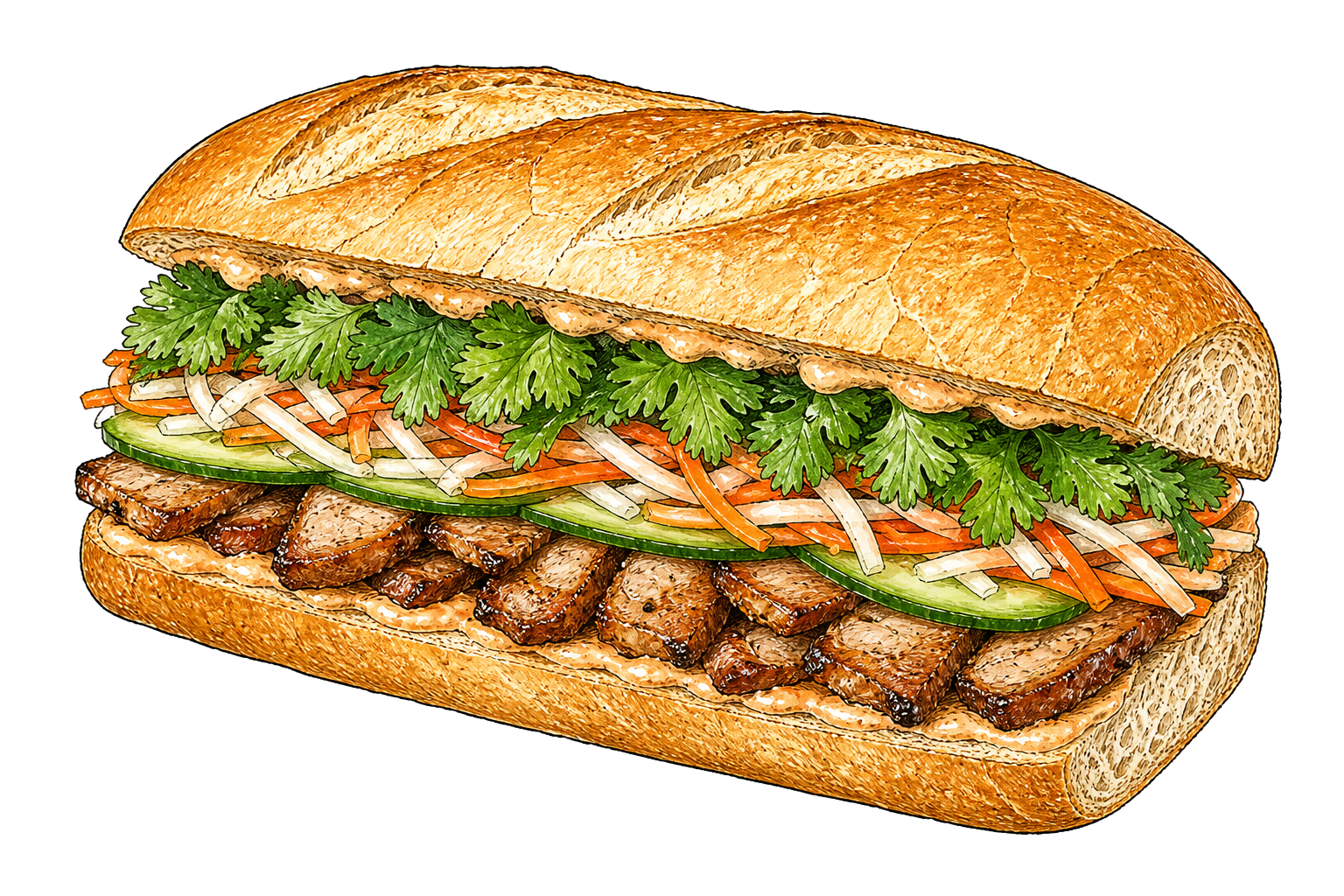
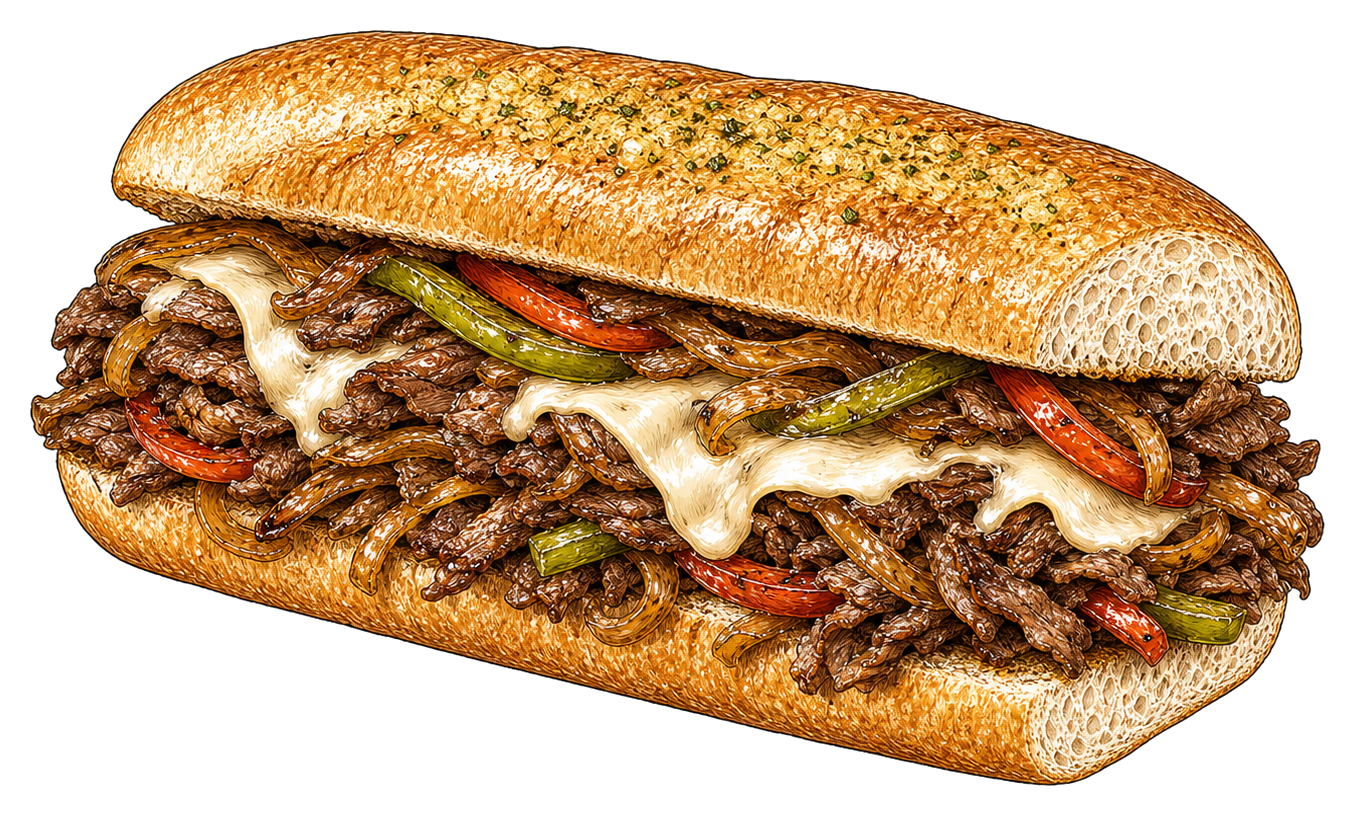
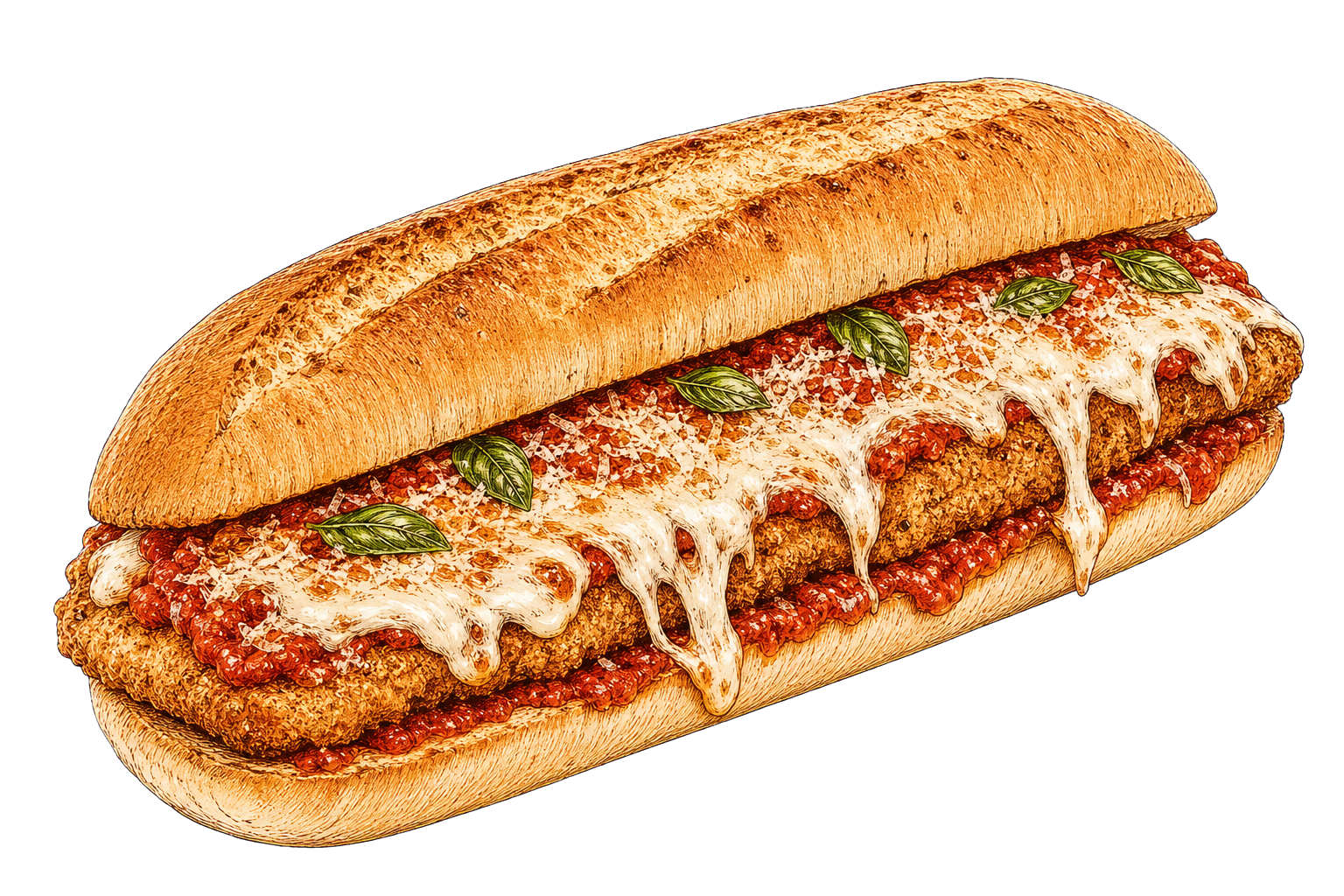
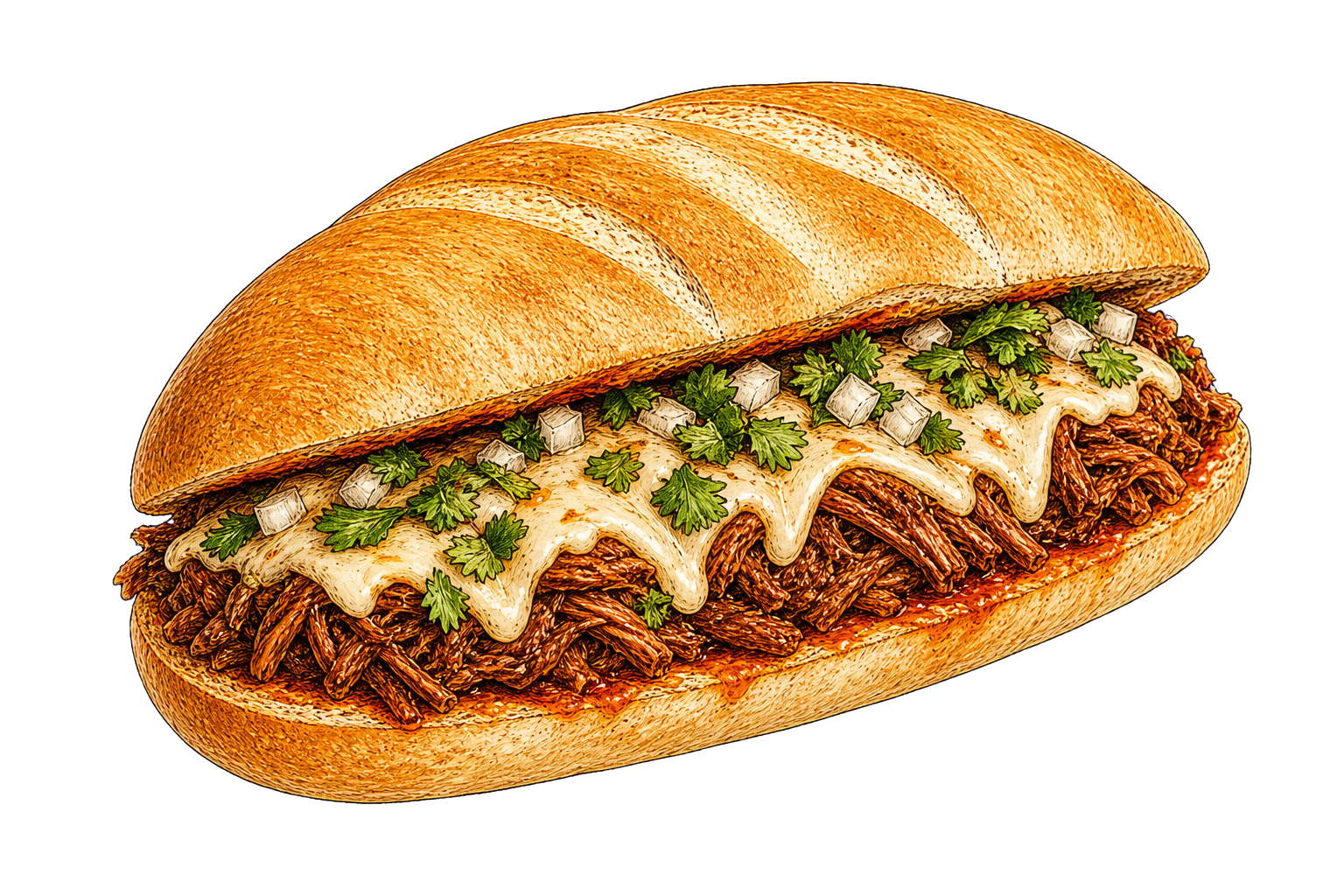
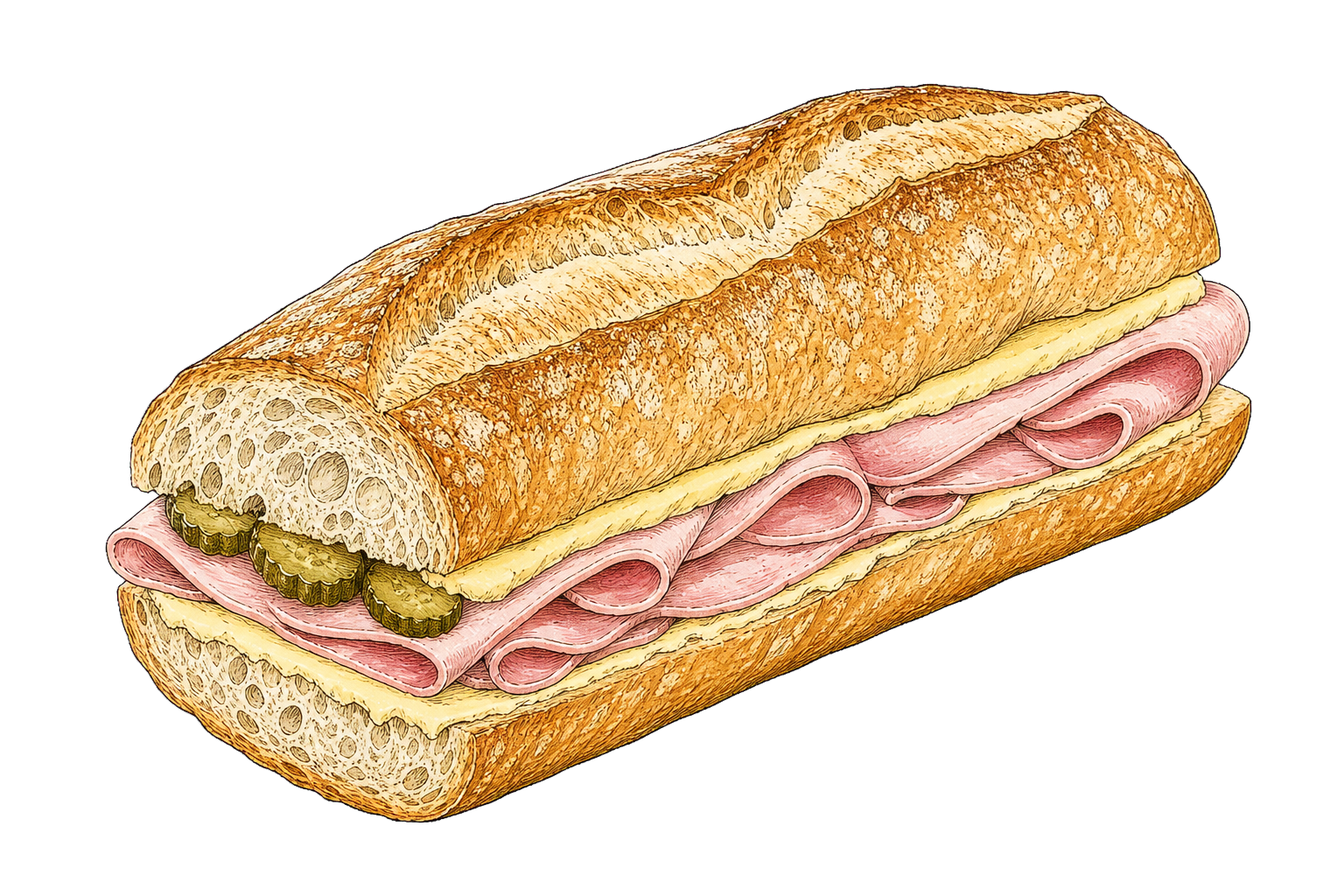
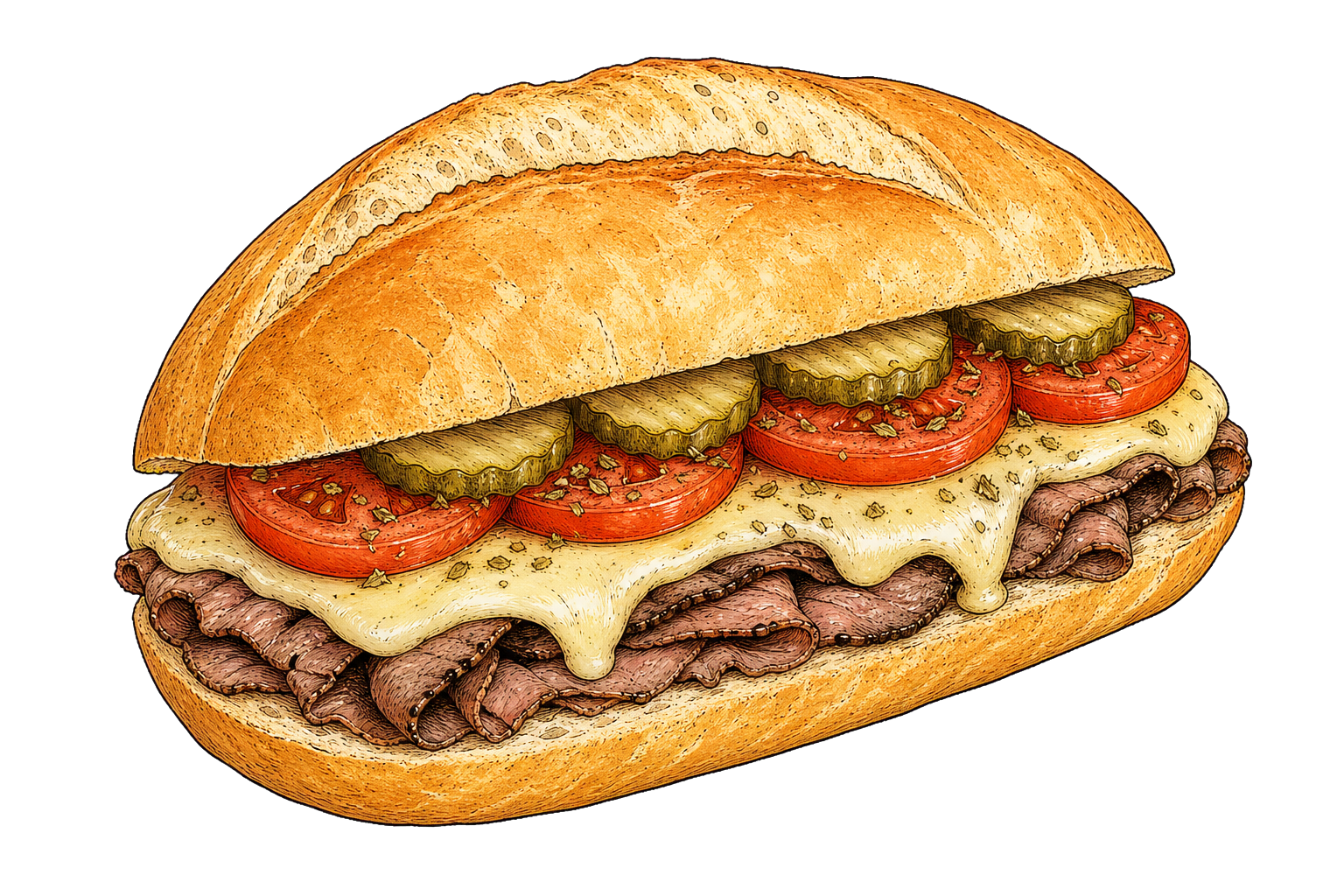
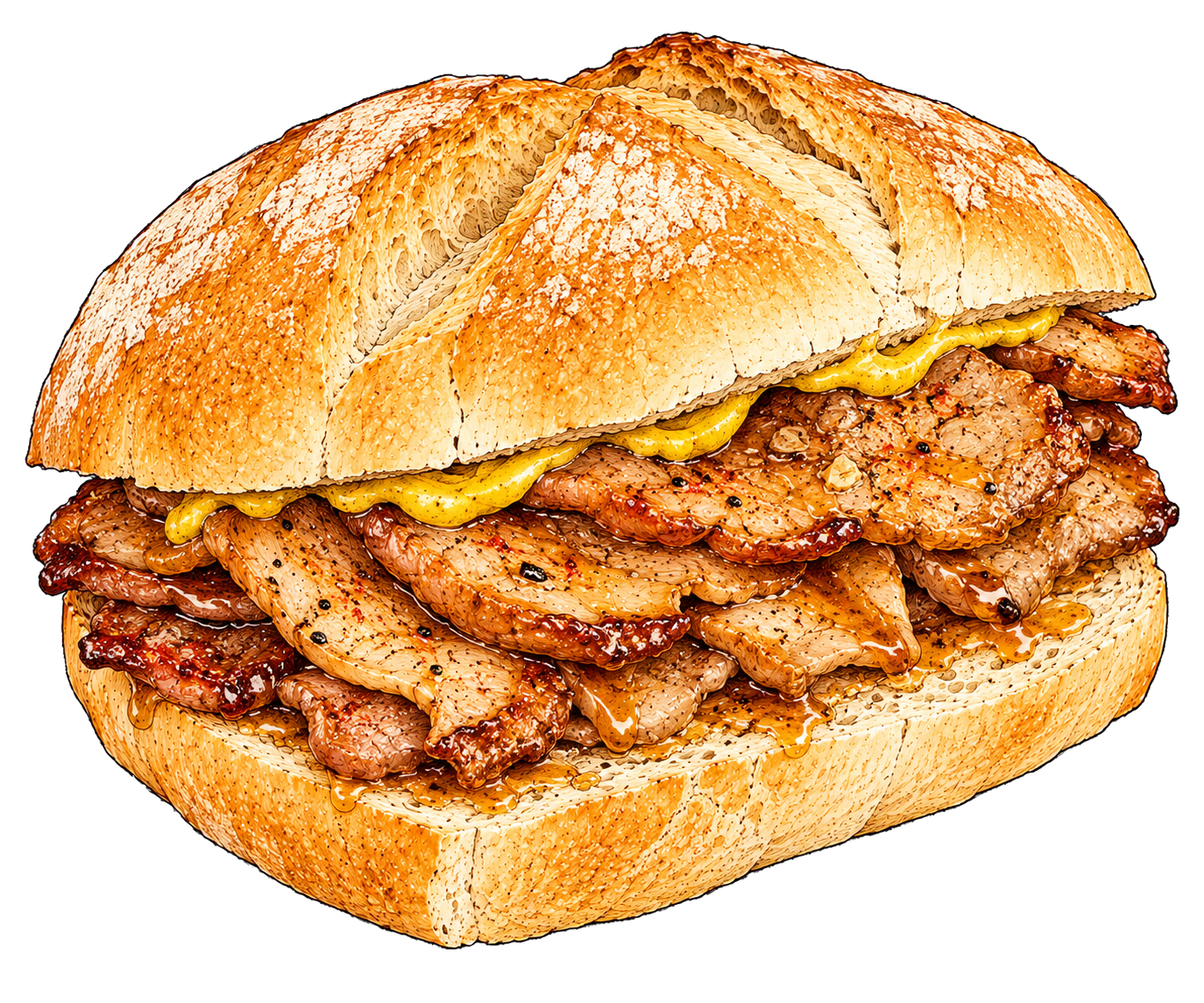
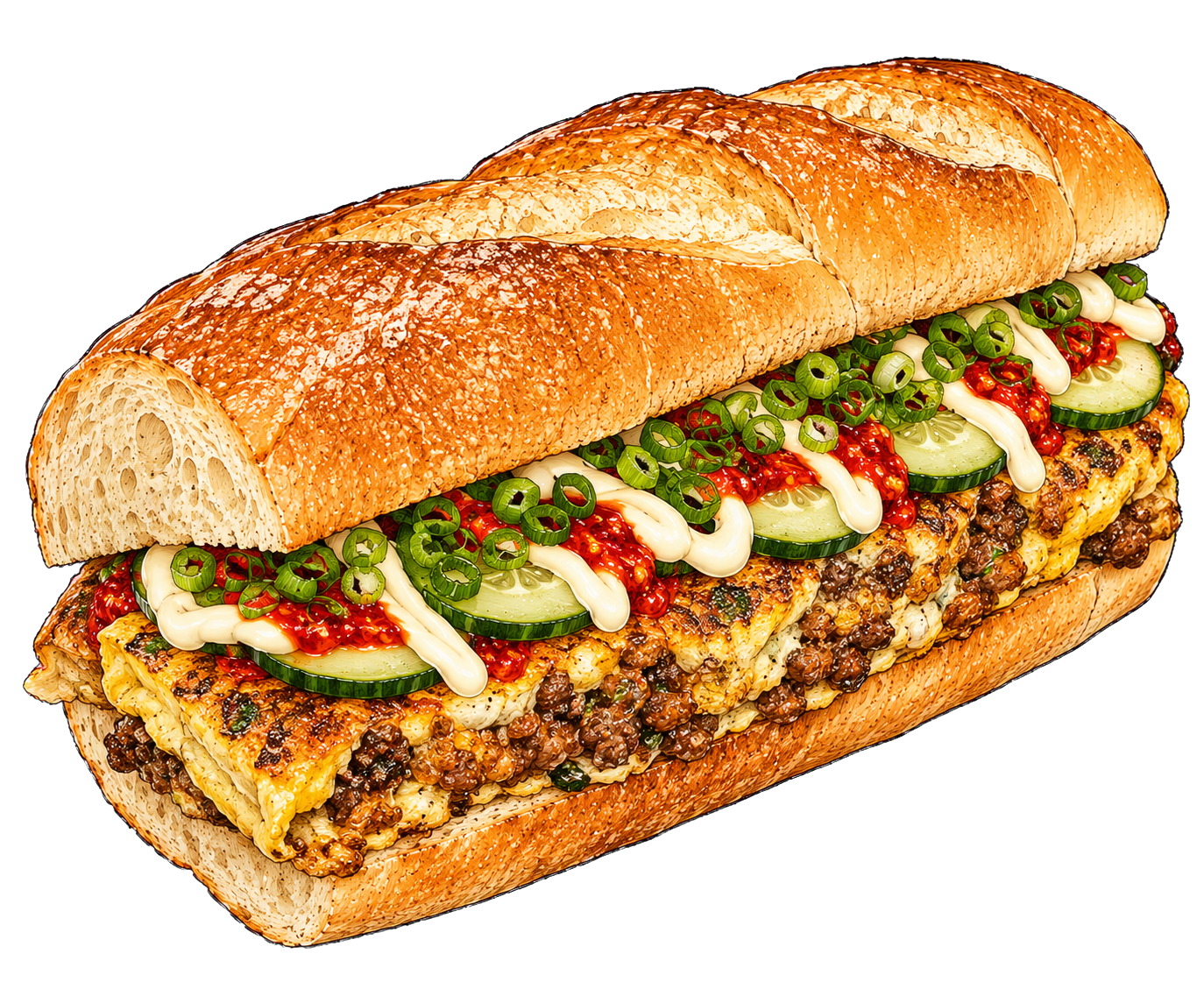
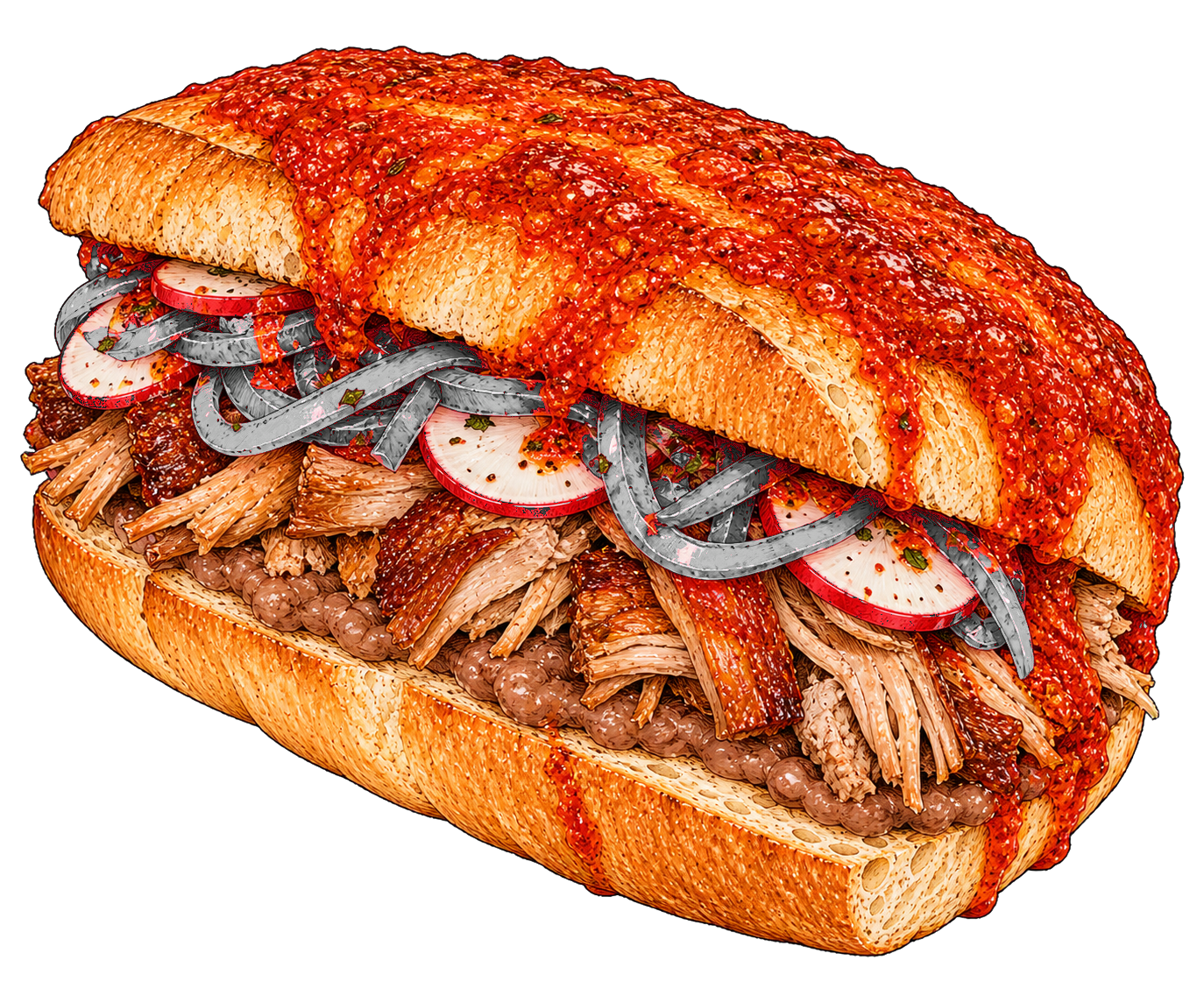
Crusty bread is useful when the sandwich needs a shell. Baguettes, hoagie rolls, kaiser rolls, and sub rolls can carry steak, meatballs, fried seafood, roast beef, and pickled vegetables because the crust creates structure around the filling.
The crust still needs to be biteable. If the bread is tougher than the filling, every bite drags ingredients out of the sandwich. Pressing down the interior crumb, warming the roll, or choosing a thinner-crusted loaf often fixes that problem.
Long rolls also change distribution. They create a linear bite, so ingredients need to run from end to end. A sauce concentrated in the middle makes the first and last bites feel unfinished.
Rye, Sourdough, and Flavorful Bread
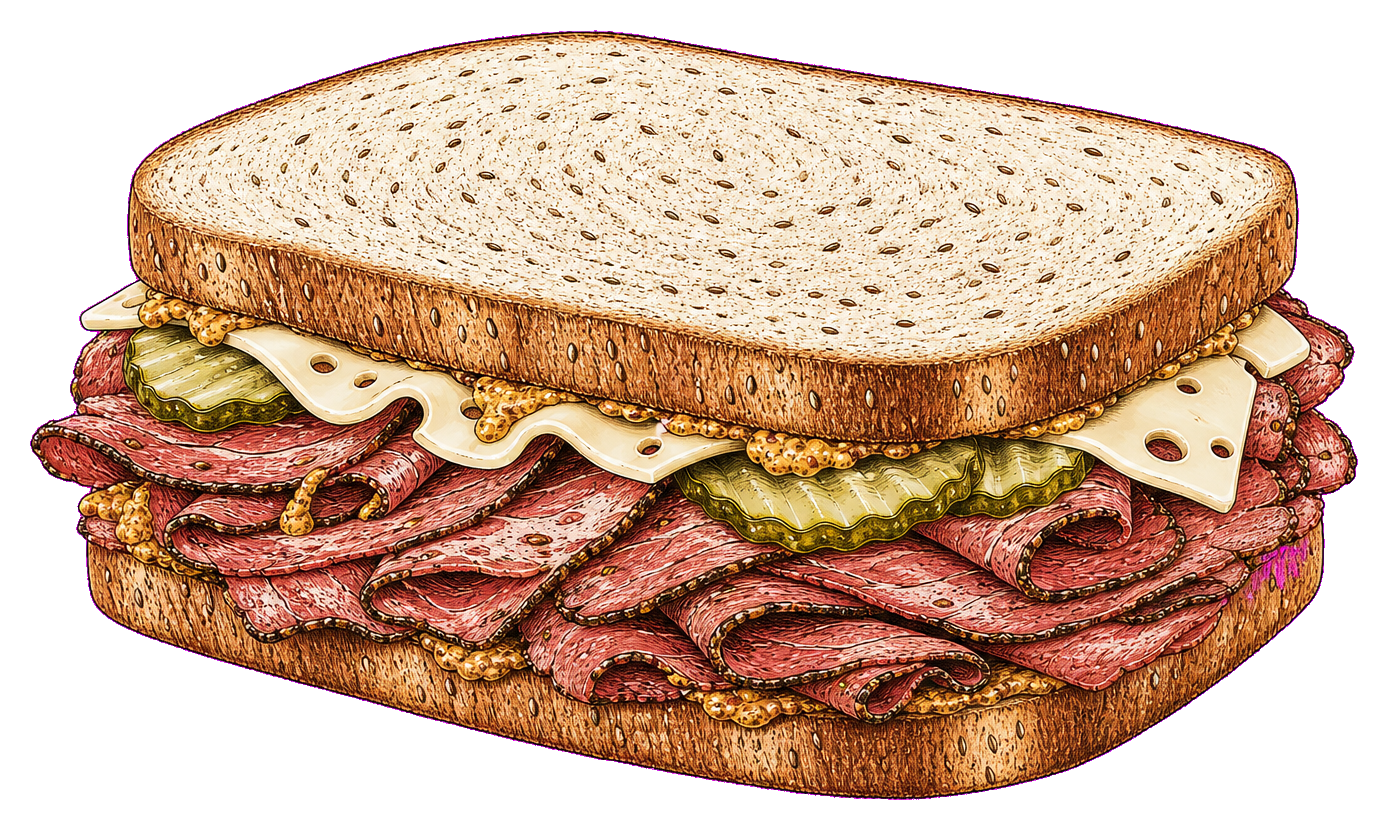
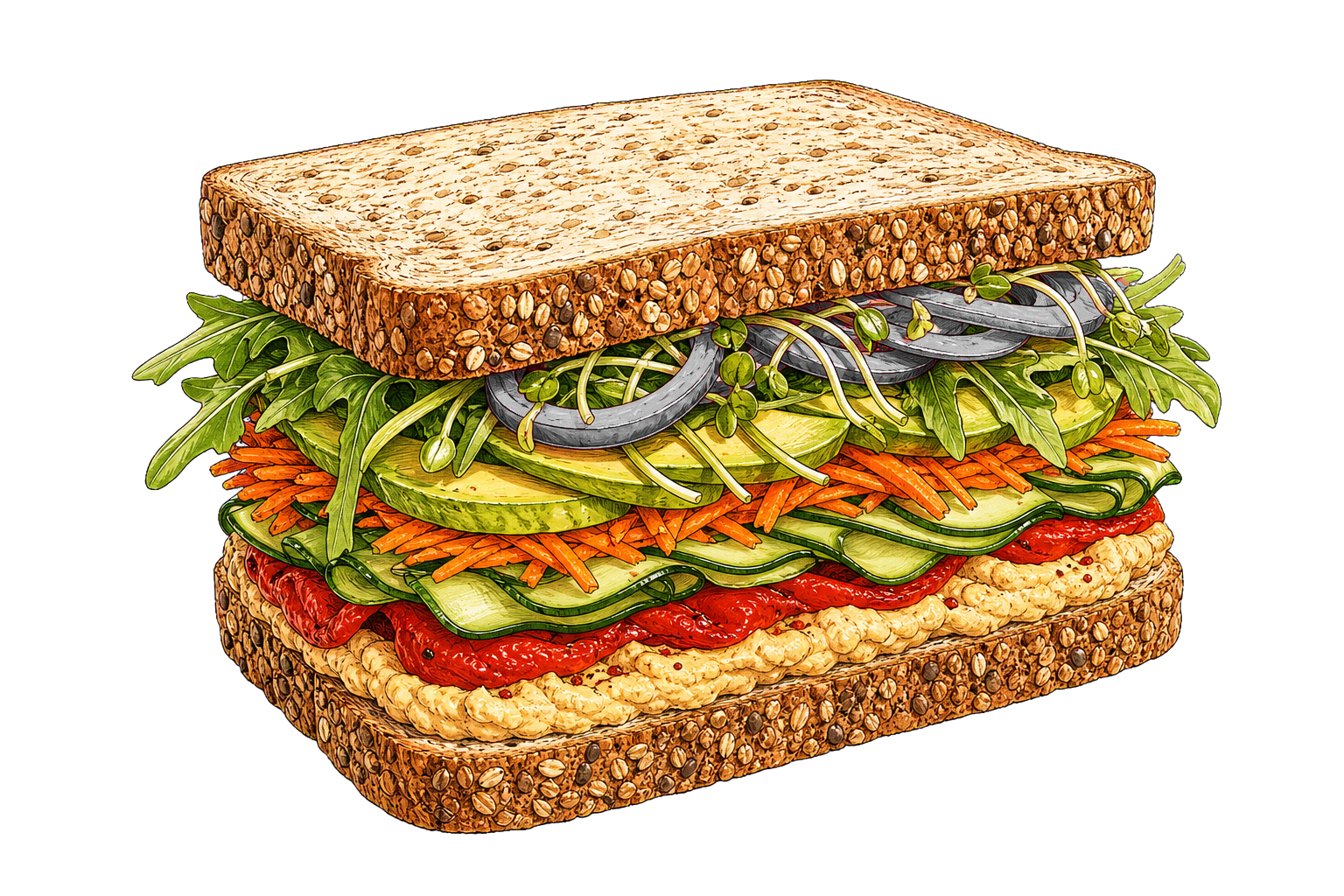
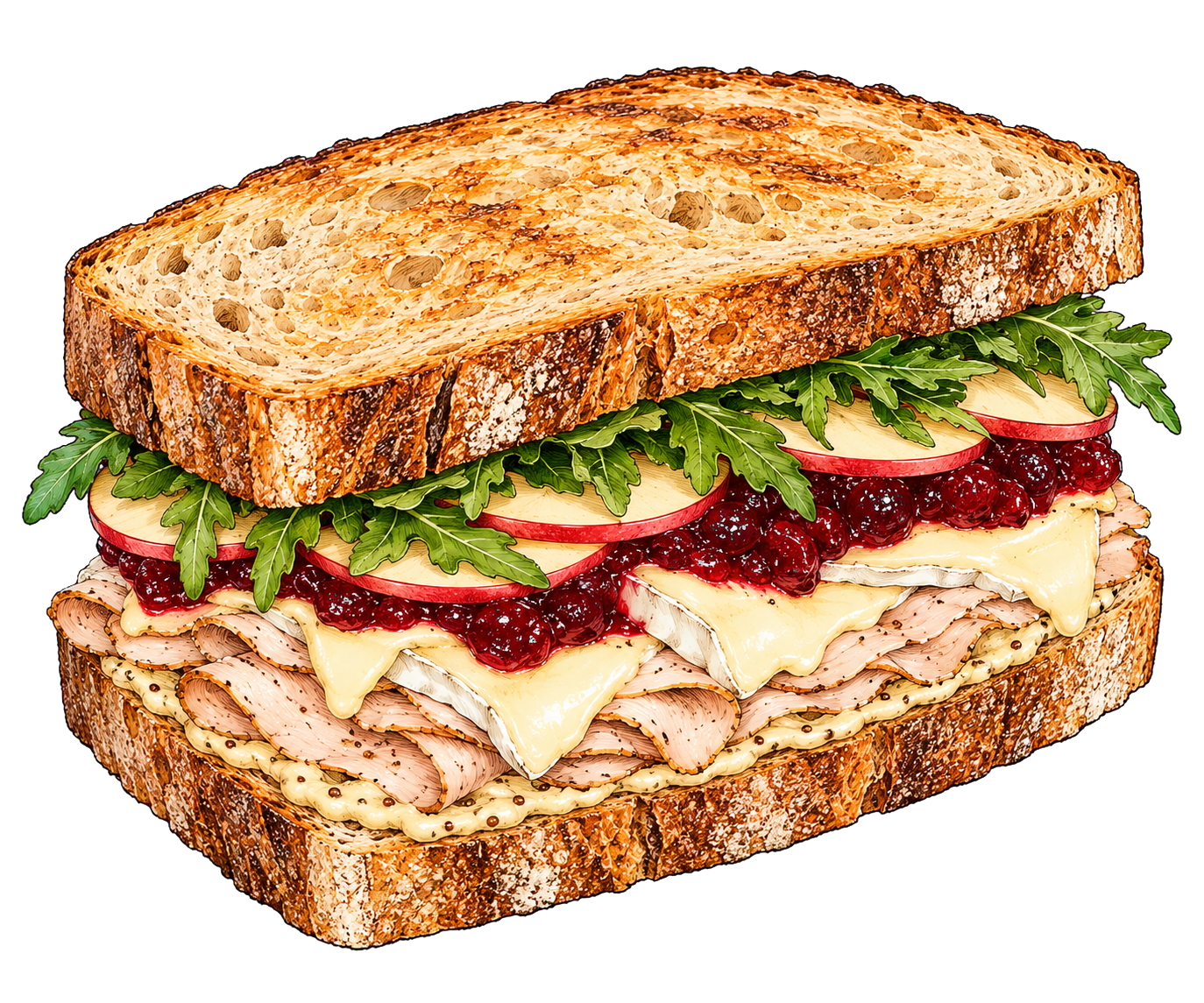
Some breads are not neutral. Rye, sourdough, seeded loaves, and whole-grain bread bring their own acidity, spice, bitterness, or nuttiness. That can be excellent with bold fillings and distracting with delicate ones.
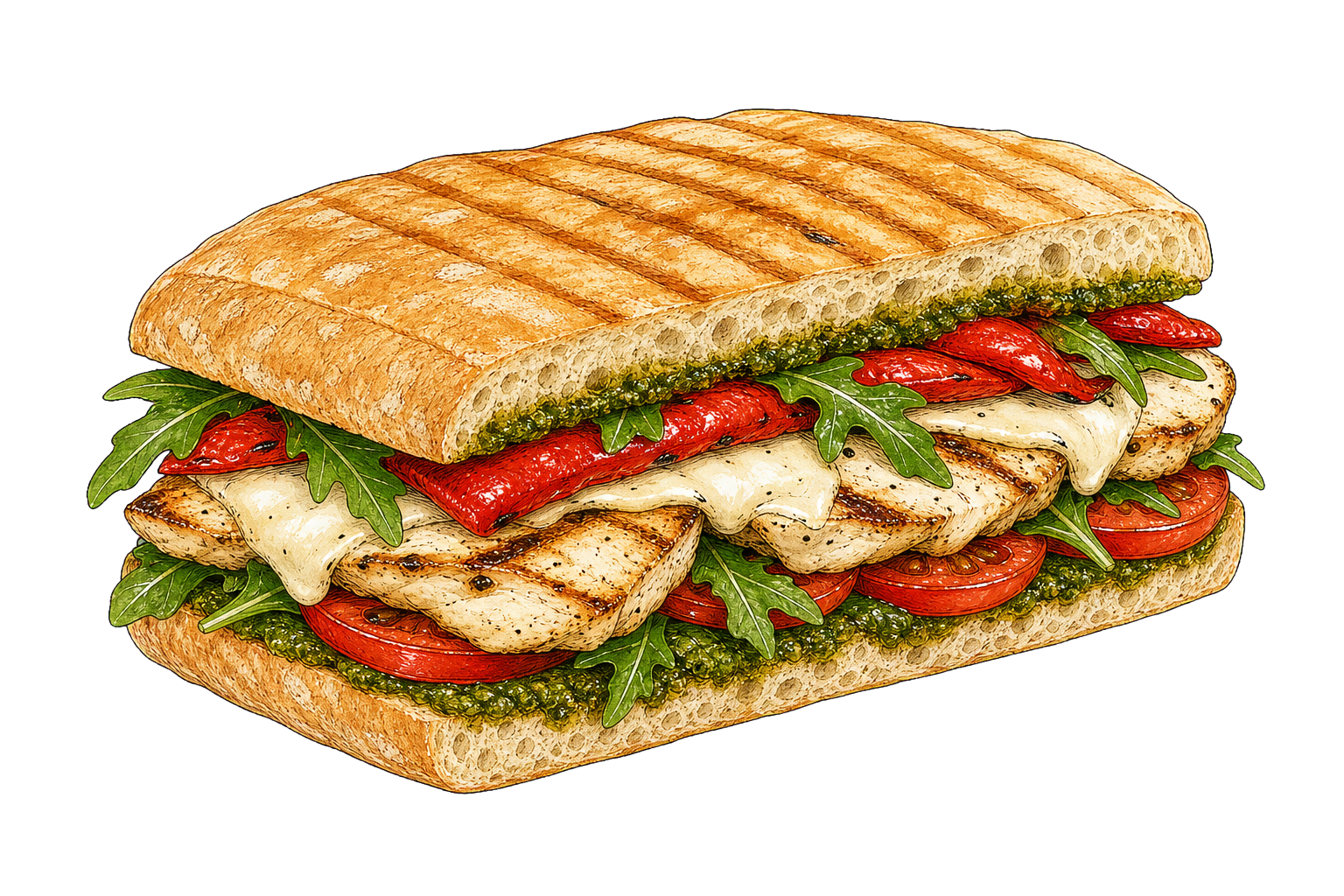
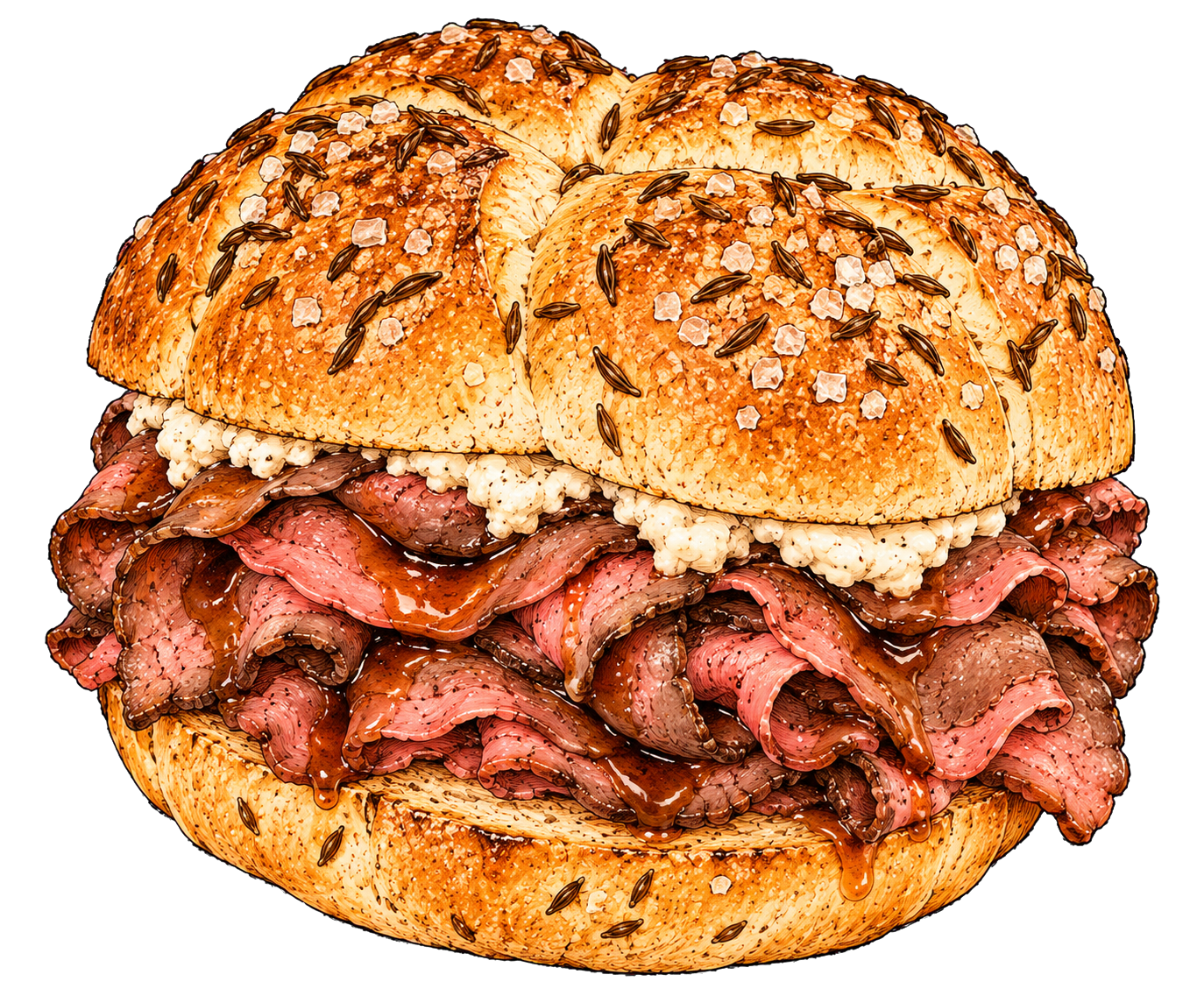
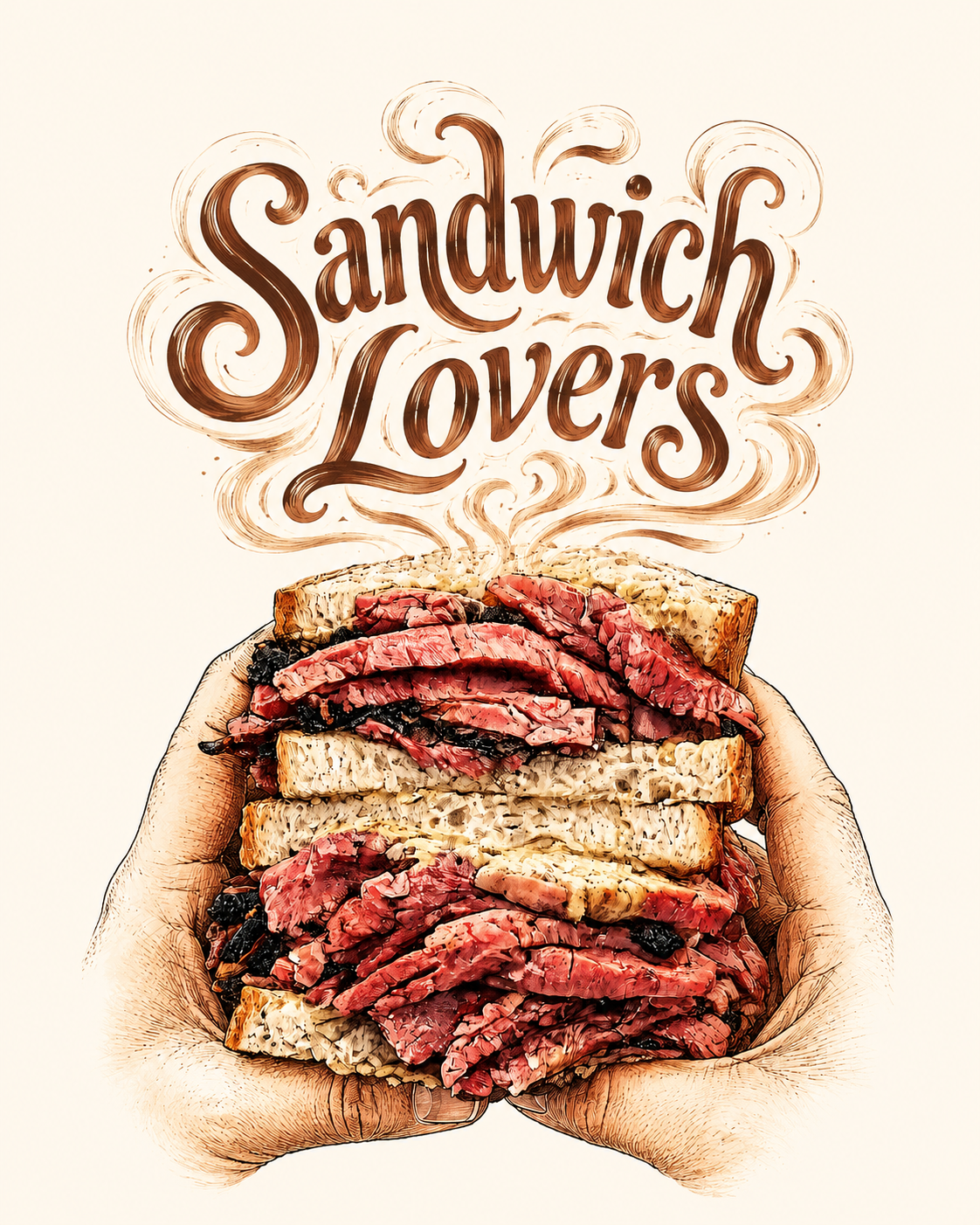
Rye works well with pastrami, mustard, roast beef, pickles, and other deli flavors because it has enough personality to stand up to salt and fat. Sourdough is strong with grilled cheese, vegetables, roast meats, and mushrooms, but large holes can leak sauces.
The rule is simple: mild fillings need quieter bread, and intense fillings can handle bread with more chew and flavor.
Buns, Pita, and Open Sandwiches
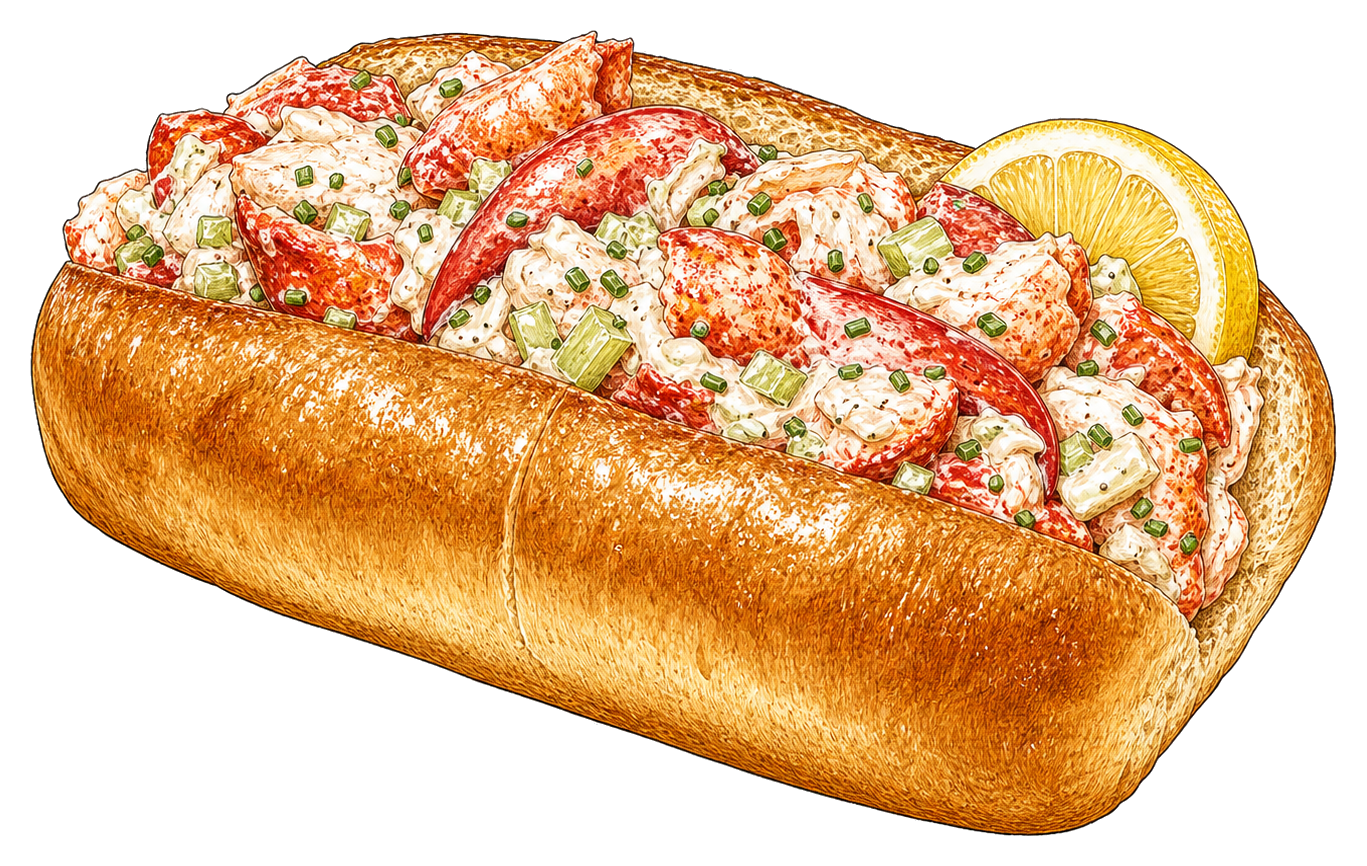
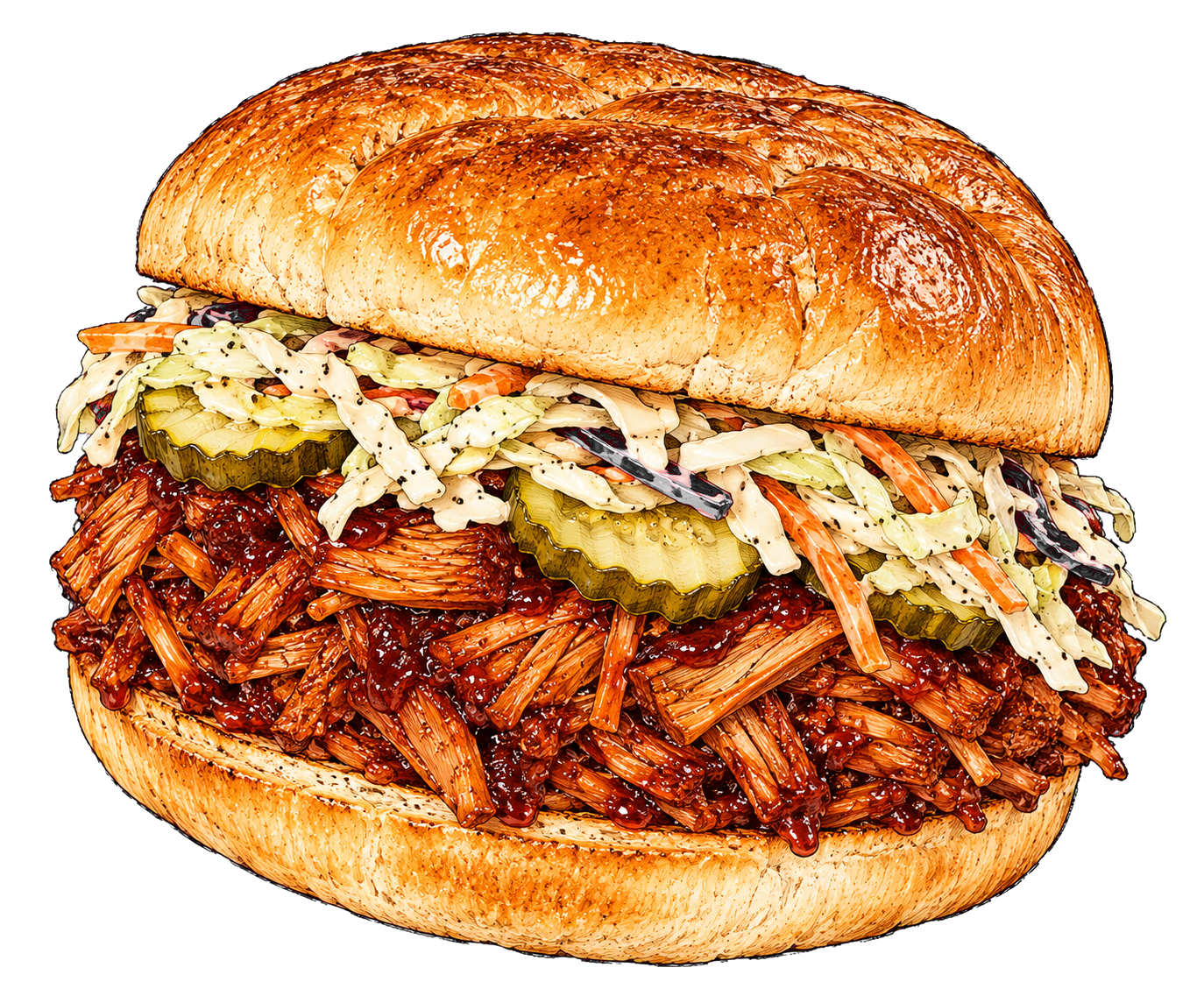
Buns are built for concentrated weight. Brioche, potato rolls, and split-top buns work when a sandwich has a central pile: crispy chicken, pulled pork, lobster salad, patties, or barbecue.
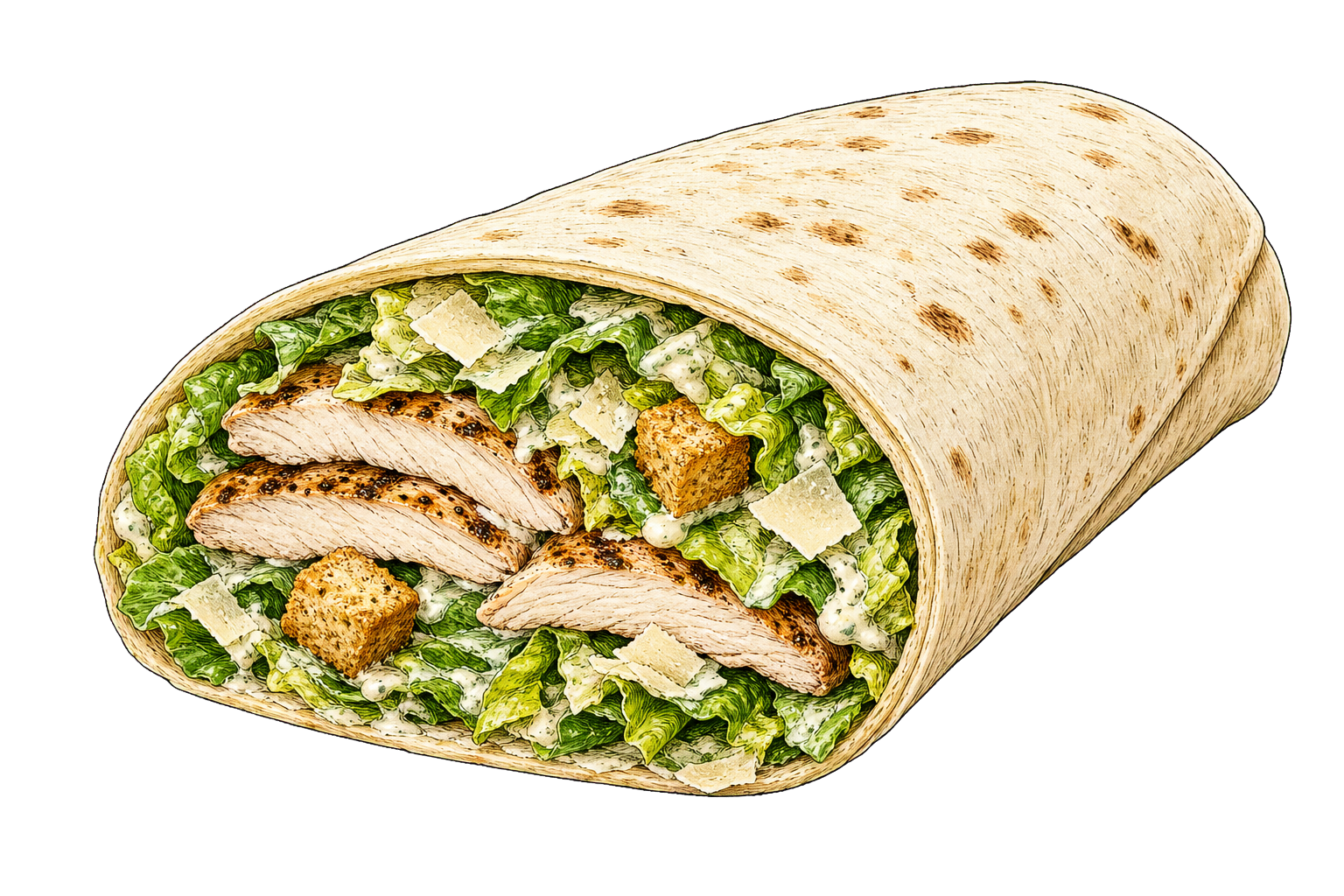
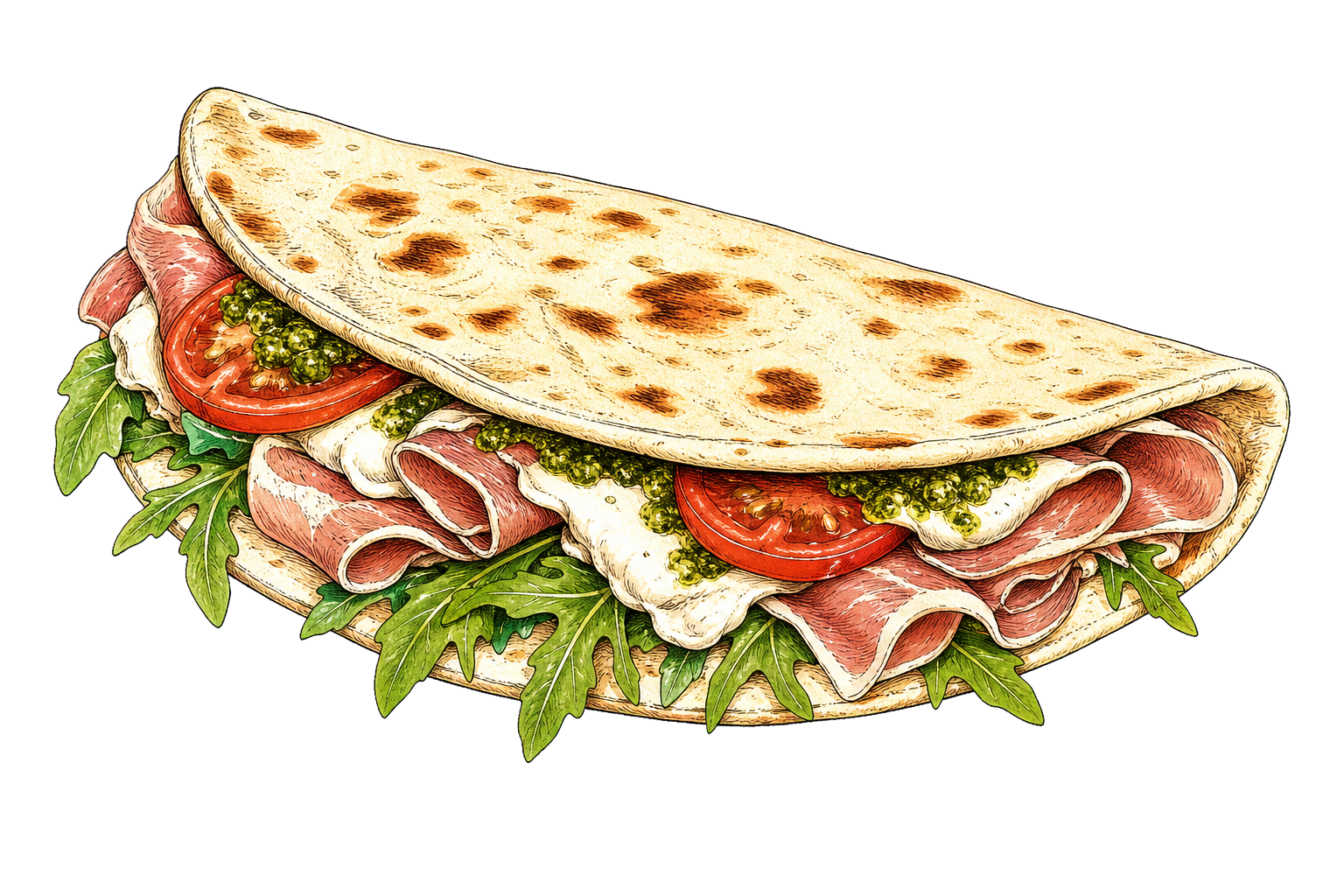
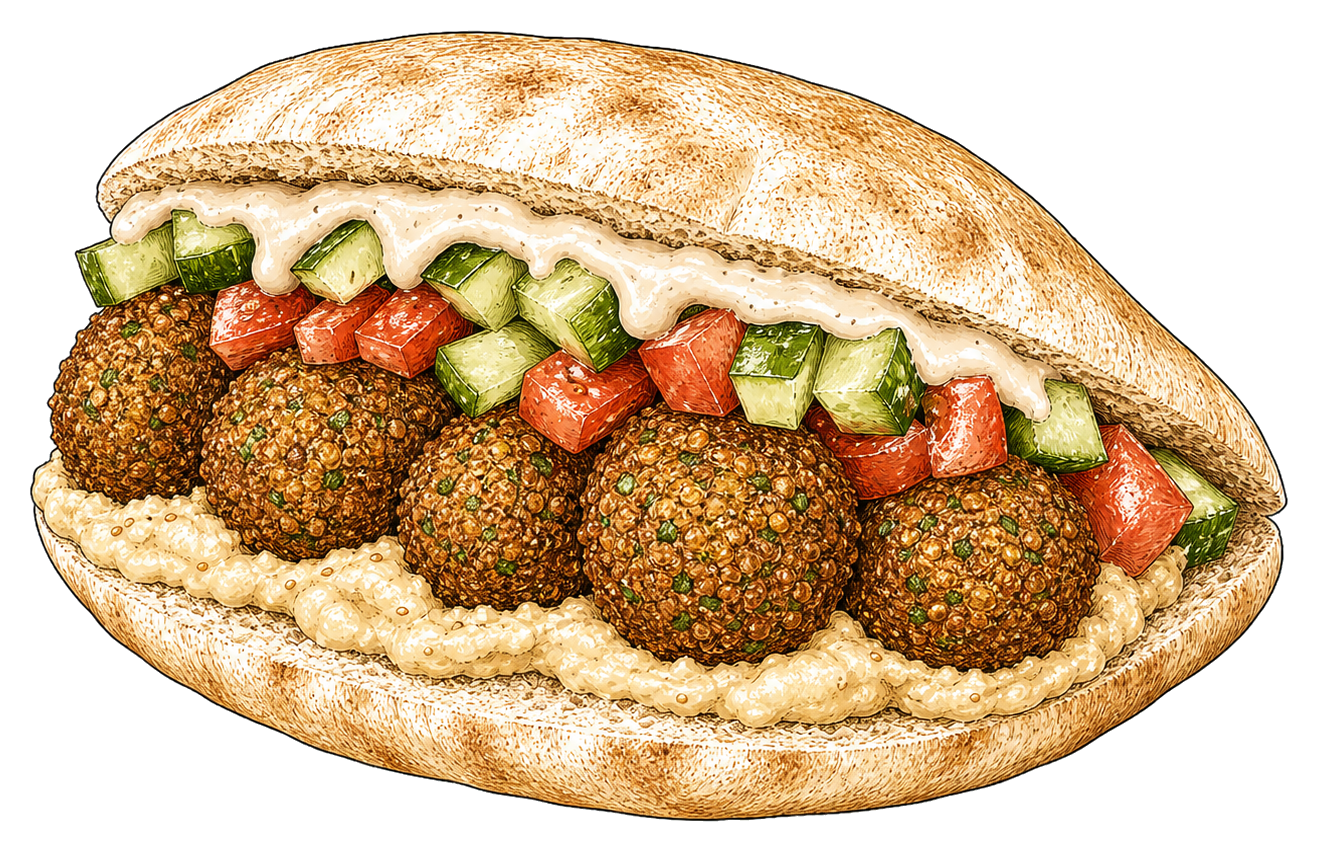
Pita and flatbread solve a different problem. They contain loose fillings, chopped vegetables, falafel, sauces, and herbs by folding around them instead of stacking above and below them.
Open-faced sandwiches, such as smorrebrod-style rye, do not hide the filling. They are less portable, but they are excellent when color, arrangement, and composed bites matter.
Quick Matching Guide
Use soft sliced bread for egg salad, tuna salad, BLTs, cucumber sandwiches, and grilled cheese. Use hoagie rolls or sub rolls for steak, meatballs, Italian subs, and chopped fillings. Use buns for saucy barbecue, fried chicken, lobster salad, and breakfast sandwiches.
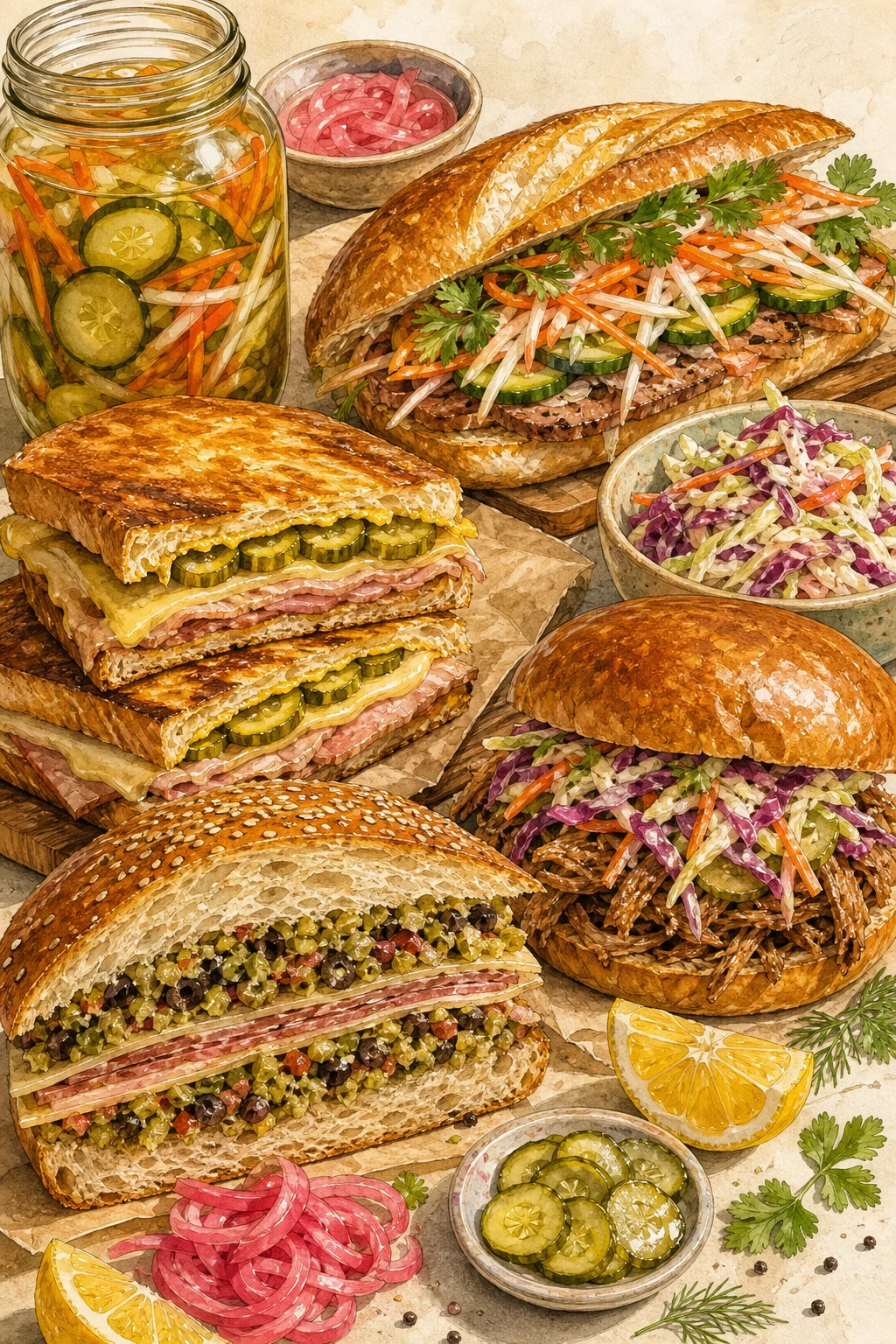
Use baguette-style bread for banh mi, bocadillos, and fillings with pickles or herbs. Use rye for pastrami, roast beef, and mustard-heavy deli sandwiches. Use pita when the filling is chopped, sauced, or likely to scatter.
When in doubt, match bite resistance first. Tender filling needs tender bread. Chewy filling needs bread that yields cleanly. Wet filling needs either a barrier or bread that can absorb without falling apart.
Closing
The best sandwich bread is the bread that makes the filling easier to eat. It should protect the structure, add texture, and support the flavor without stealing the whole sandwich.
Choose bread first, then build the filling around what that bread can realistically carry.