
Sandwich Foundations - Bread Guide
Bread Is the Architecture: How Bread Changes a Sandwich
How crust, crumb, shape, and softness determine which fillings a sandwich can carry.
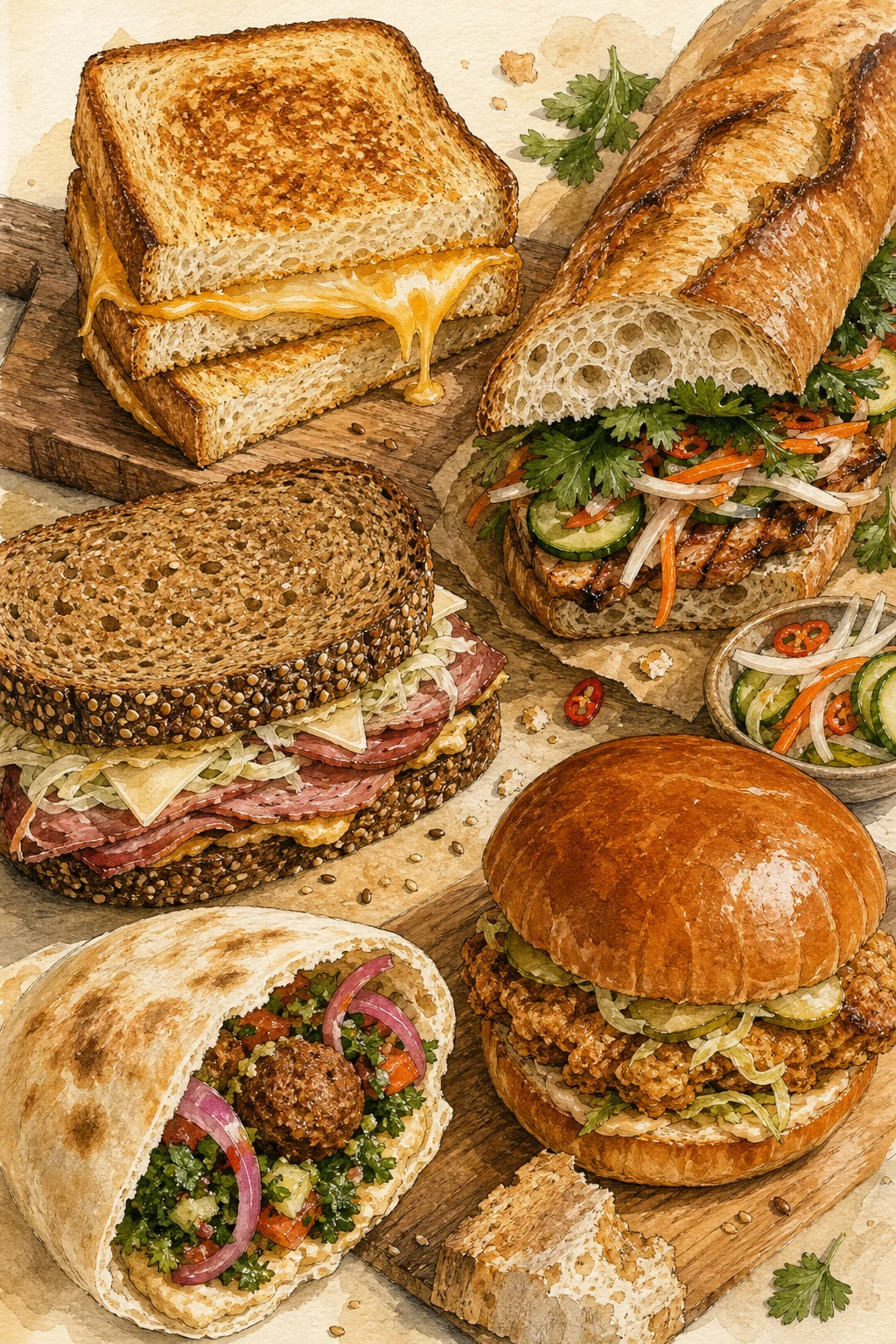
Bread is not the quiet part of a sandwich. It is the frame, the handle, the first texture, and often the ingredient that decides whether the filling feels generous or chaotic.
A sandwich may be defined simply as food placed between bread, but the bread is doing far more than holding the name together. It decides the angle of the bite, how much sauce can be used, whether warm fillings stay contained, and how clearly the layers appear in a cross-section.
Think of bread as architecture. Some breads behave like soft walls, some like crisp shells, some like absorbent sponges, and some like flexible pockets. Once you understand that structure, the right sandwich starts to feel obvious before you even choose the filling.
Bread Decides the Bite
The first job of bread is mechanical. A tender loaf invites a gentle bite and compresses around fillings. A crusty roll pushes back, so it needs fillings with enough moisture or fat to meet it. A flatbread bends, wraps, and carries ingredients differently from a square slice.
The second job is sensory. Crust brings sound and aroma. Crumb brings softness and absorption. Shape determines where ingredients sit. A long roll makes every bite more linear; a round bun concentrates the center; a pita pocket turns the sandwich into a contained scoop.
Practical note: choose bread for the filling you have, not for the sandwich you wish you were making. Juicy steak, saucy meatballs, delicate cucumber, and crisp cutlet all ask for different frames.
Soft Sliced Bread: Gentle Structure
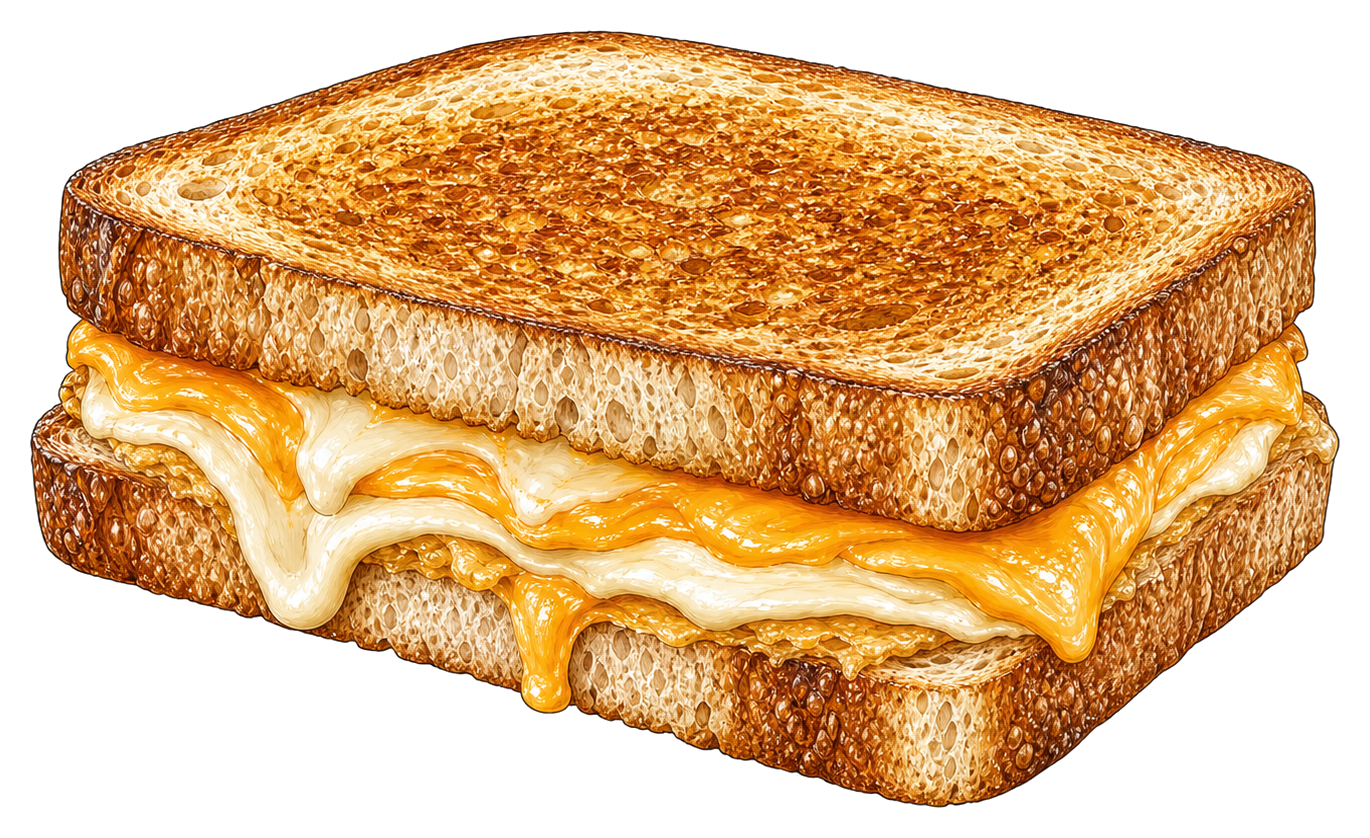
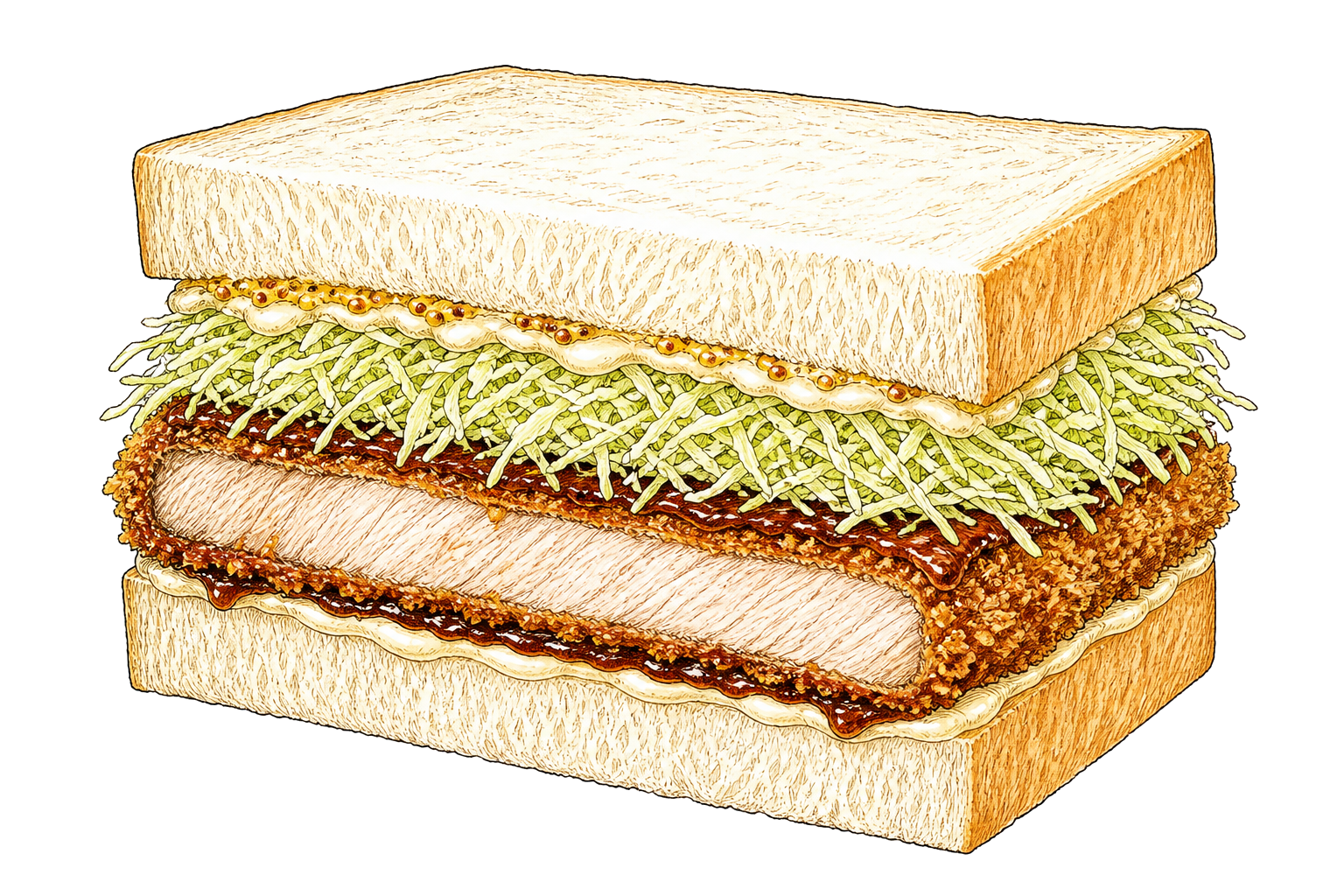
Soft sliced bread works because it gives way. It is ideal for fillings that should feel integrated rather than dramatic: grilled cheese, egg salad, tuna salad, cucumber tea sandwiches, and classic BLTs.
The key is even crumb. A sandwich loaf with a tender, regular interior can hold mayonnaise, melted cheese, tomato, and egg without creating surprise holes where sauce escapes. That is why a soft loaf can be both delicate and sturdy when it is sliced cleanly.
For hot sandwiches, toast changes the architecture. In a grilled cheese, the outside needs enough heat to brown while the center has time to melt. Too hot and the bread burns before the cheese softens; too low and the bread drinks fat and turns heavy.
Crusty Rolls and Baguettes: The Shell
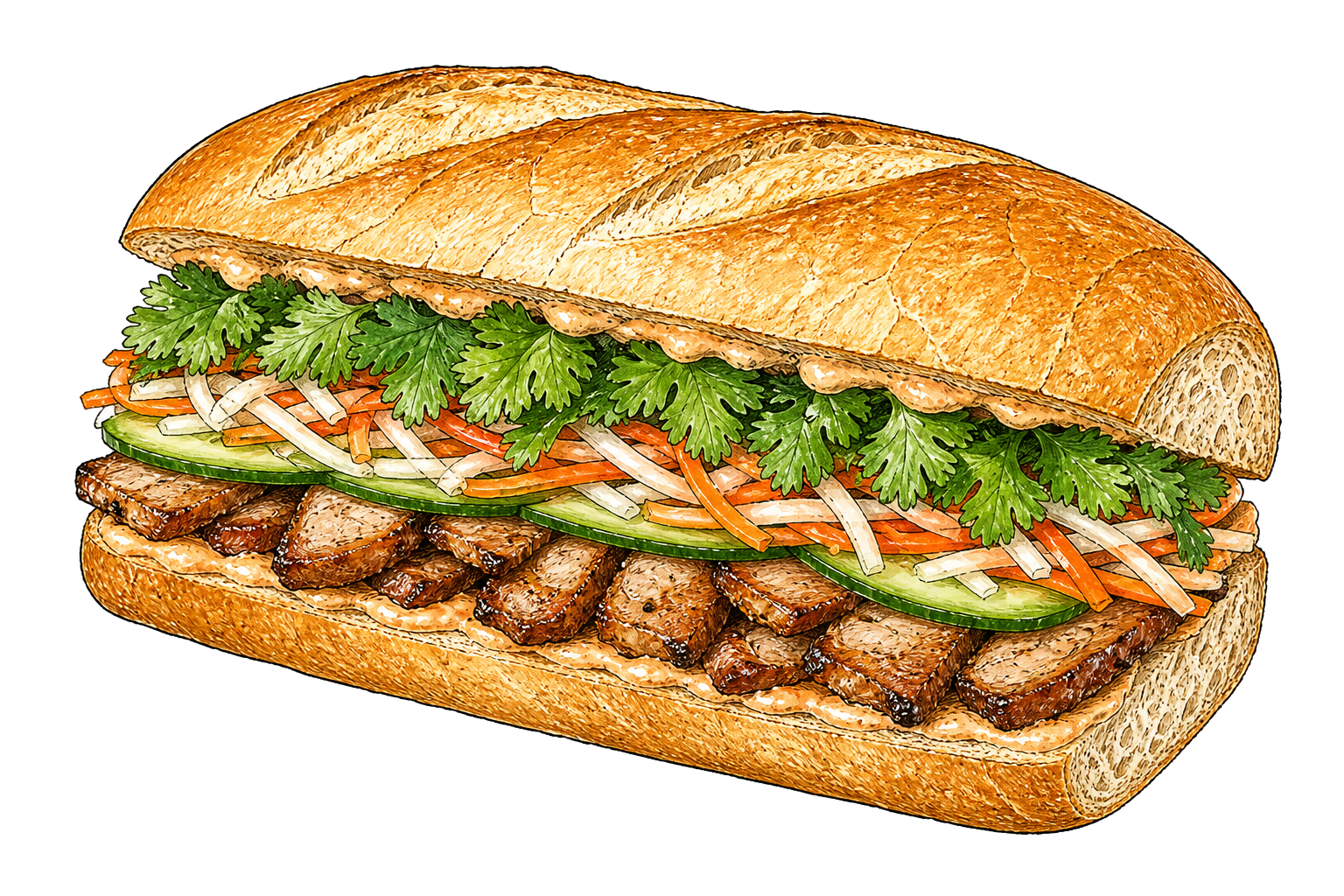
A crusty roll is less like a blanket and more like a shell. It protects saucy, juicy, or grilled fillings, but only if the crust is thin enough to bite cleanly. A roll that is too tough turns the sandwich into a tug-of-war.
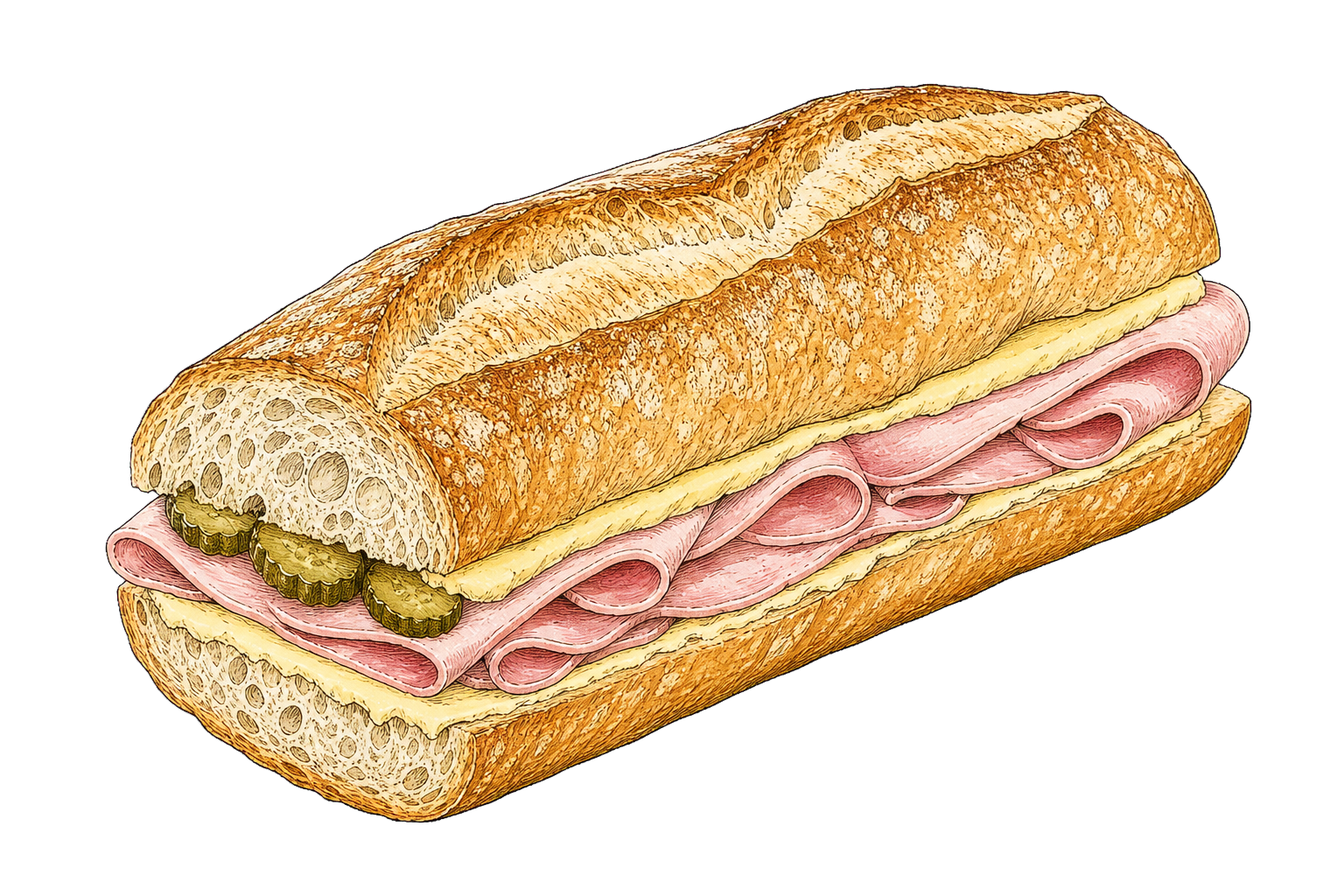
Baguettes show how bread can be both cultural and structural. Britannica notes that baguettes are split for sandwiches such as jambon-beurre in France and banh mi in Vietnam; the same long form behaves differently depending on crumb, crust, and filling.
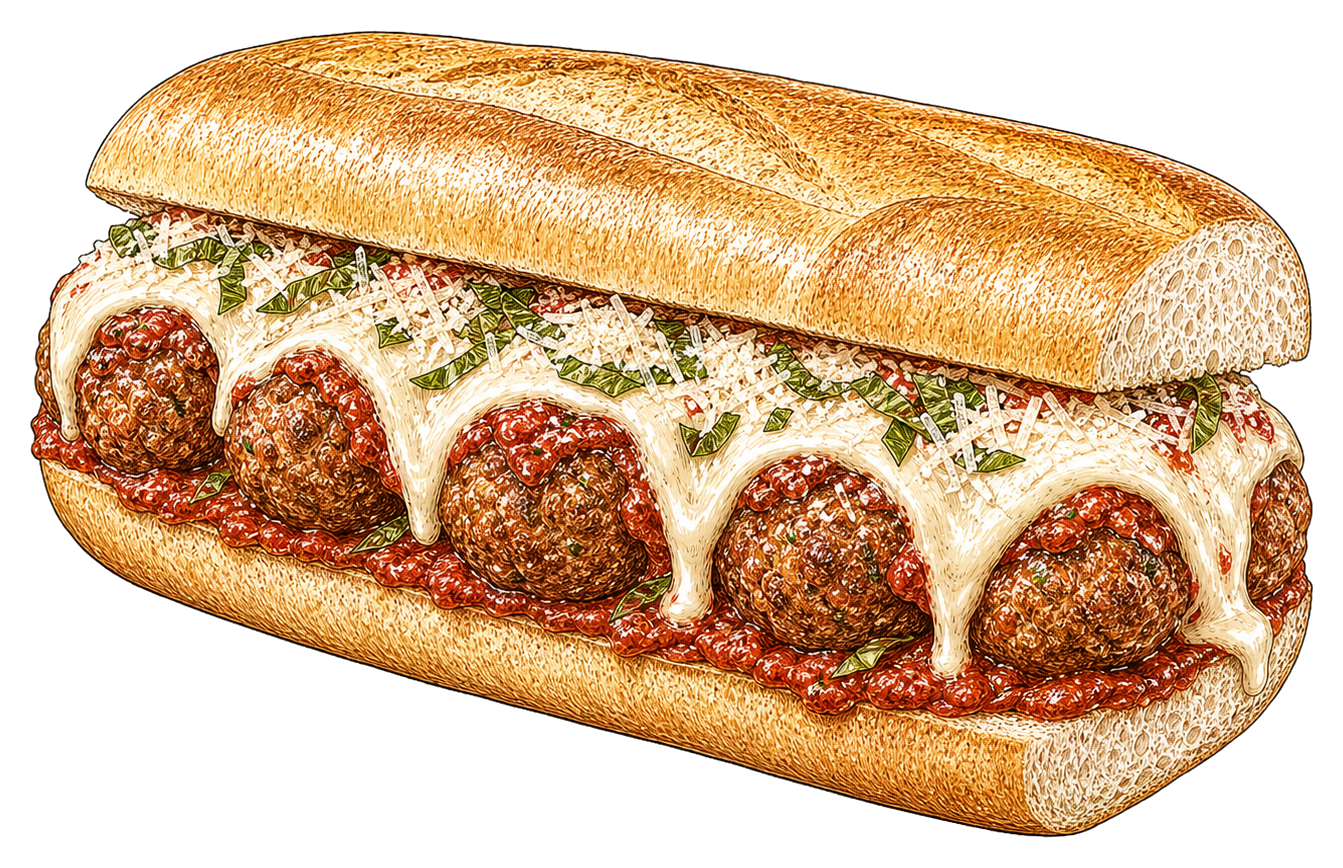
With a banh mi-style build, the bread needs a shattering crust and a light interior so pickles, herbs, cucumber, and savory protein stay vivid. With a meatball sub, the roll needs more absorbency so sauce settles into the crumb instead of sliding out.
Rye, Sourdough, and Seeded Bread: Flavor as a Foundation
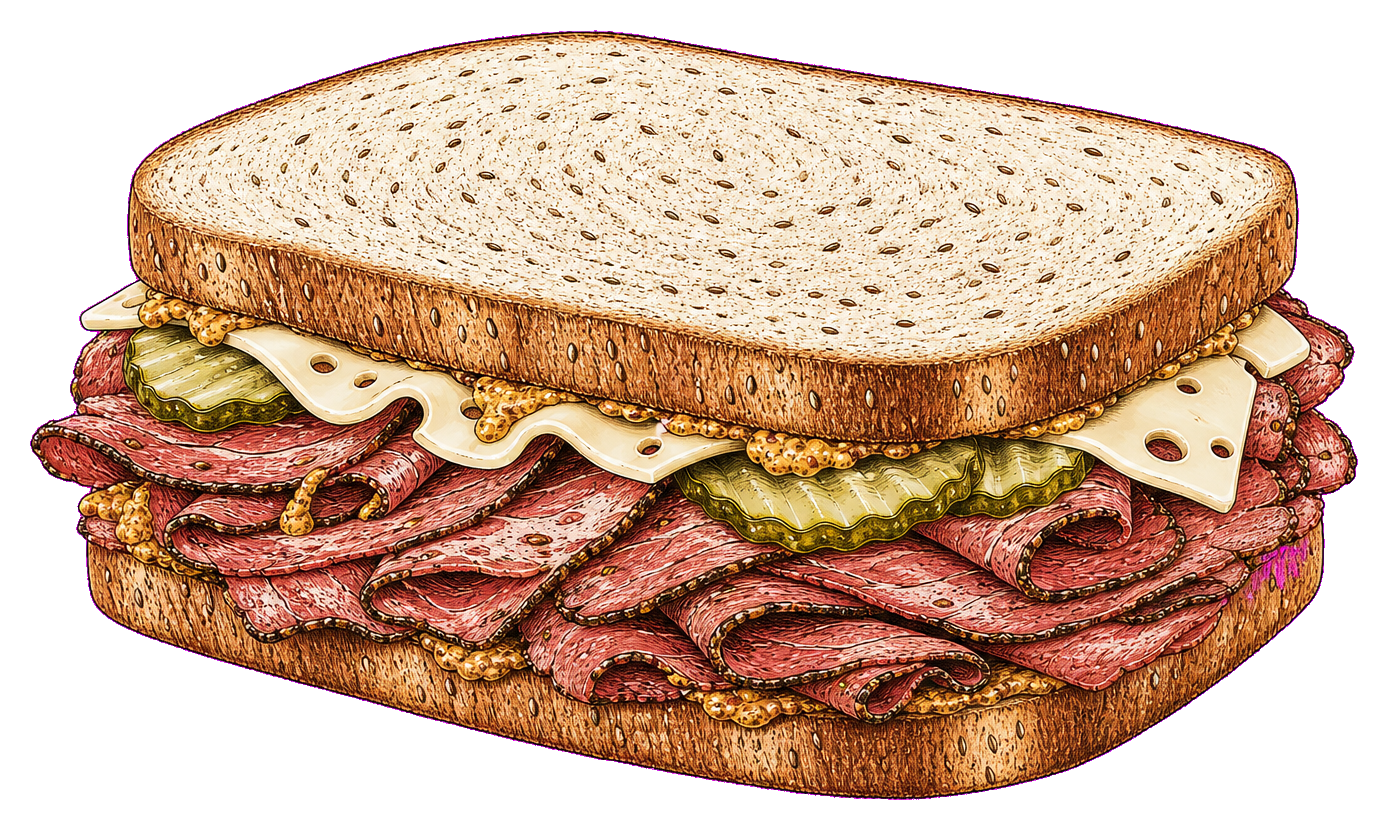
Some breads are not neutral. Rye brings spice, earthiness, and a firmer chew, which is why it can stand beside pastrami, mustard, sauerkraut, pickles, and other bold deli flavors without disappearing.
Sourdough adds tang and a resilient chew. It is excellent with cheese, roast beef, mushrooms, and grilled vegetables, but large holes can become a problem if the sandwich relies on loose sauce or finely chopped fillings.
Seeded bread gives visual and textural detail. It can make a deli sandwich feel more deliberate, but the filling still needs enough salt, fat, or acid to stand up to the nutty crust.
Buns, Flatbreads, and Pita: Different Engineering
A bun concentrates weight. Brioche and potato rolls are soft, slightly sweet, and built for fillings that need cushion: crispy chicken, pulled pork, patties, slaw, and pickles. The round shape makes height tempting, but too much vertical stacking can make the first bite collapse.
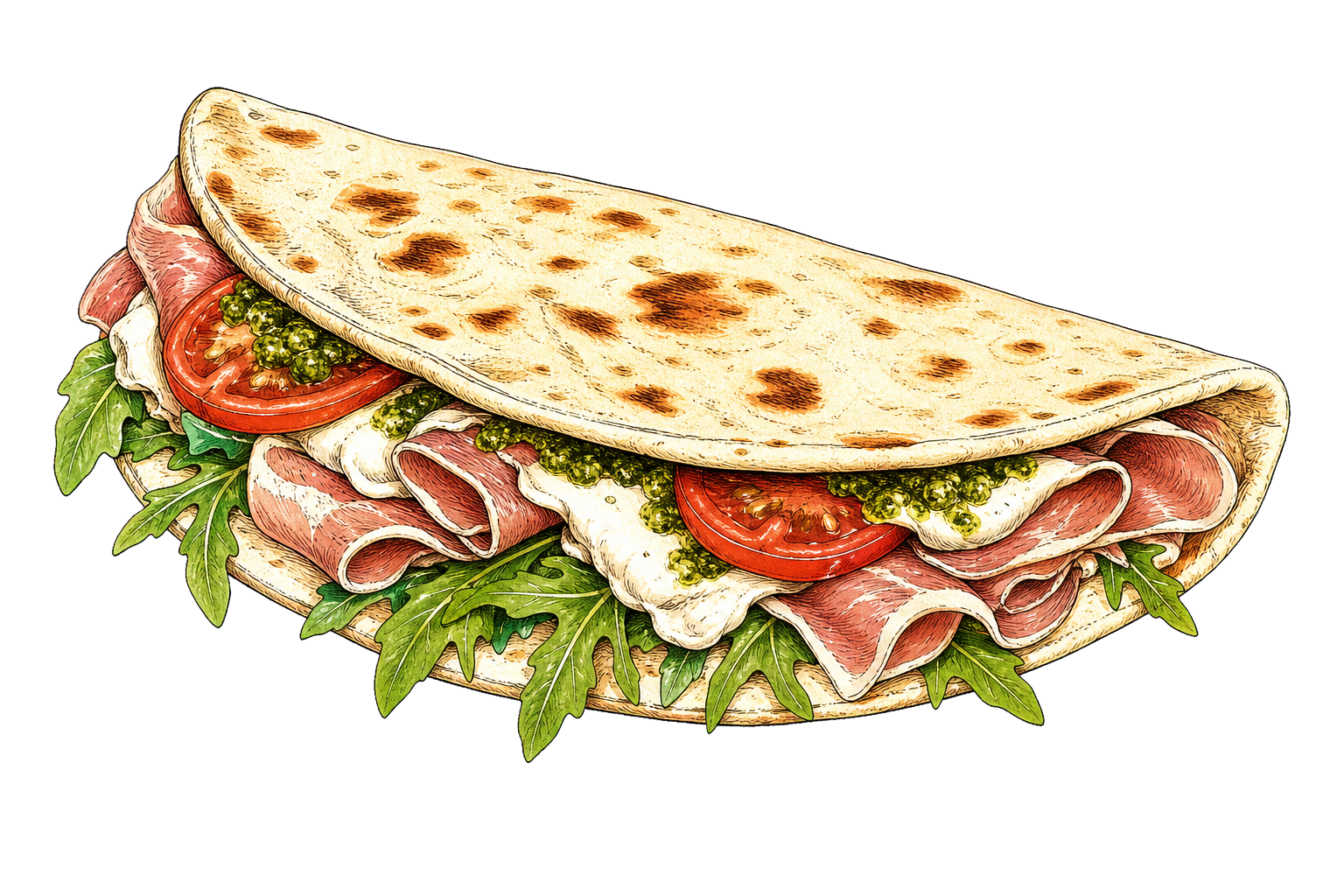
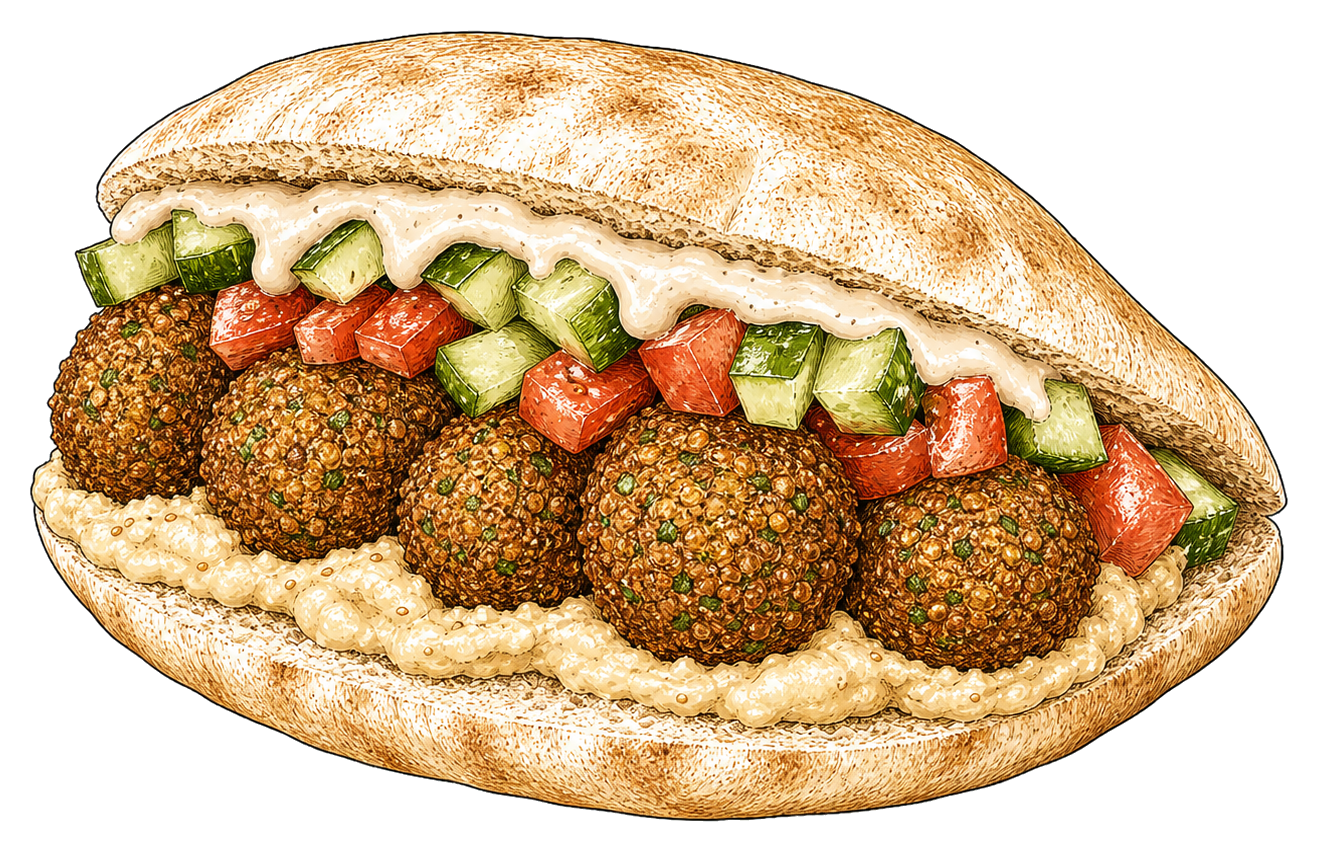
Flatbreads solve a different problem. They wrap, fold, and bend around ingredients that might otherwise scatter. Pita is especially useful because it creates a pocket; falafel, chopped vegetables, tahini, herbs, and pickles become contained rather than piled.
Open-faced breads, like smorrebrod-style rye, ask for another mindset. The bread does not hide the filling. It becomes a platform where color, arrangement, and bite-size logic matter as much as portability.
How to Match Bread to Filling
Start with moisture. Wet fillings need either a barrier or a bread that can absorb without falling apart. Mayonnaise, butter, cheese, lettuce, and dry toasted surfaces can all protect softer bread from tomato juice or saucy meat.
Then look at bite resistance. Tender fillings need tender bread. Crisp cutlets, steak, and fried seafood can handle more crust, but the crust still needs to yield before the filling pulls free.
Finally, consider flavor intensity. Mild fillings can be overwhelmed by sourdough or dark rye. Rich fillings often improve with bread that has more chew, toast, or bitterness, because the frame keeps the sandwich from tasting one-dimensional.
Practical Bread Fixes
If the bread is too soft, toast only the interior surface. You get a protective layer without making the entire sandwich hard.
If the bread is too crusty, split it neatly and press down on the interior crumb before filling. That creates a shallow channel and makes the sandwich easier to bite.
If the bread has large holes, use a thicker spread first, then add loose ingredients. A little mayonnaise, hummus, butter, or melted cheese can bridge the gaps.
If the sandwich feels dry, do not automatically add more sauce. Sometimes the answer is softer bread, thinner slices, or a filling placed closer to the moisture source.
Closing
Good bread does not simply contain a sandwich. It tells the sandwich what kind of meal it can be: crisp and fast, soft and comforting, saucy and substantial, open and composed, or portable and precise.
That is why bread deserves the first decision, not the last. Once the architecture is right, the filling has a place to become delicious.