
Ingredient Notes - Flavor Balance
Pickles, Slaw, and Acid: Why Bright Ingredients Matter
A practical guide to using pickles, slaw, mustard, citrus, and vinegar so rich sandwiches taste vivid instead of heavy.
The brightest ingredient in a sandwich is often the one that makes the rich ingredients feel richer, the crisp ingredients feel crisper, and the next bite feel necessary.
Pickles, slaw, mustard, lemon, vinegar, pepperoncini, olive salad, and pickled onions are easy to treat as extras. They sit near the edge of the plate or appear as the last spoonful before the sandwich closes.
But in the best sandwiches, acid is not decoration. It is structure. It cuts richness, wakes up mild bread, sharpens the aroma of meat and cheese, and keeps a heavy sandwich from becoming tiring halfway through.
Brightness Is Structure, Not Decoration
Acid changes how a sandwich reads. A fatty filling without brightness can taste flat even when it is well seasoned. Add mustard, pickles, vinegar slaw, or citrus and the same sandwich feels cleaner because the palate has contrast.
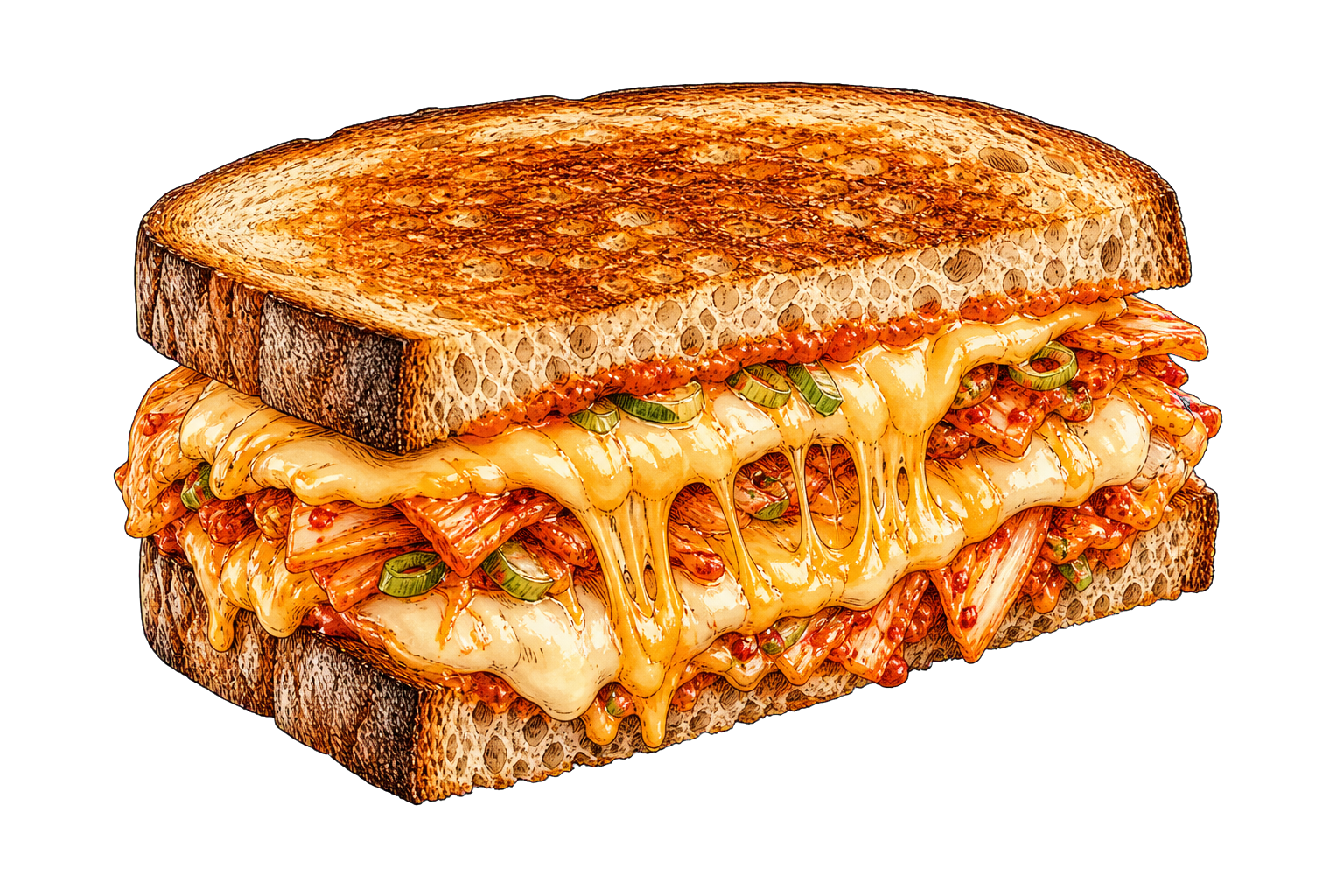
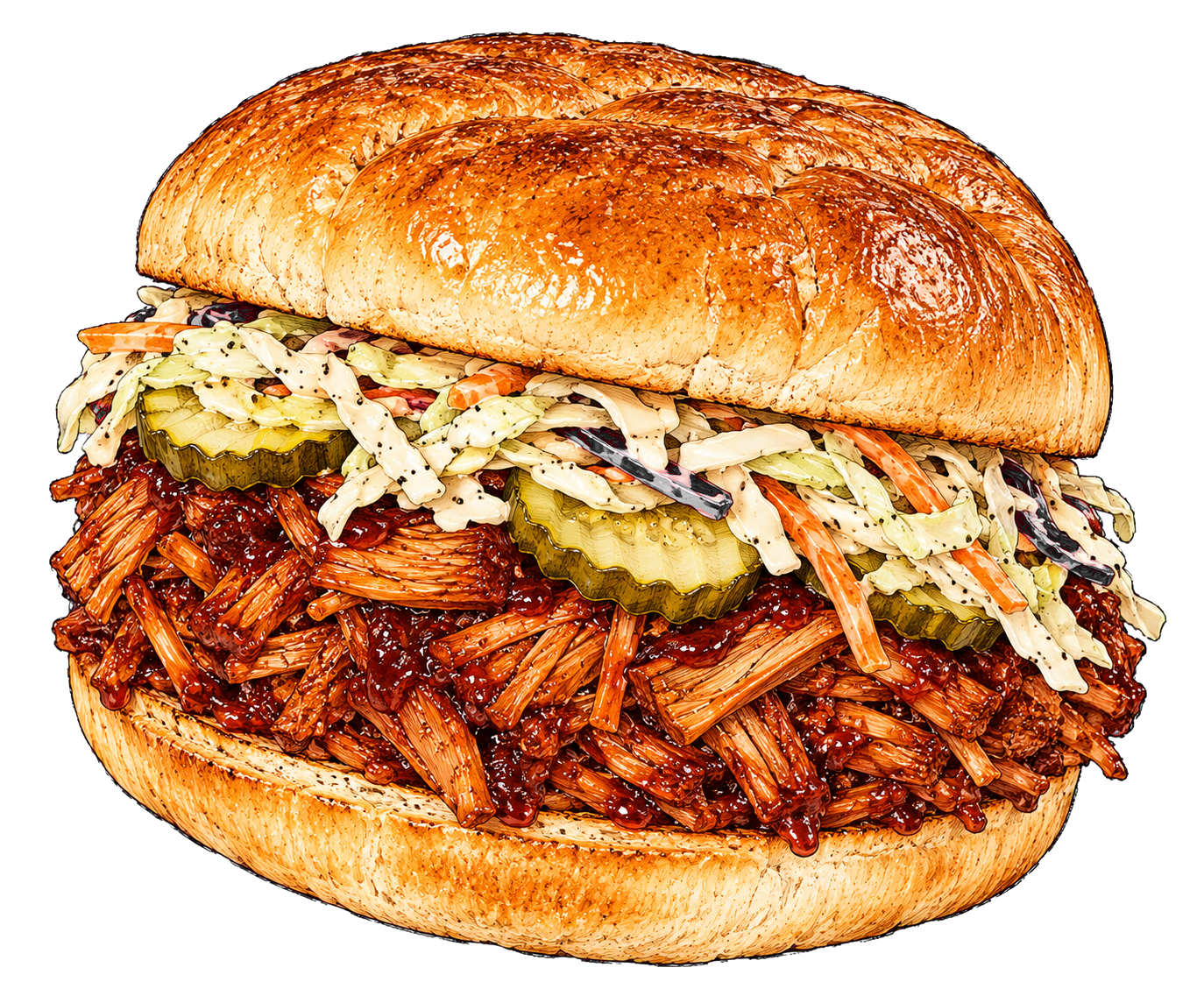
This is the larger lesson behind the cooking language of salt, fat, acid, and heat. A buttery grilled cheese, a saucy pulled pork bun, and a deli sandwich stacked with cured meat all become more complete when something sharp gives the richness a clean edge.
Sandwich Lovers note: if a sandwich tastes heavy, do not only ask whether it needs more salt. Ask where the bright layer should live.
Pickles: The Clean Line
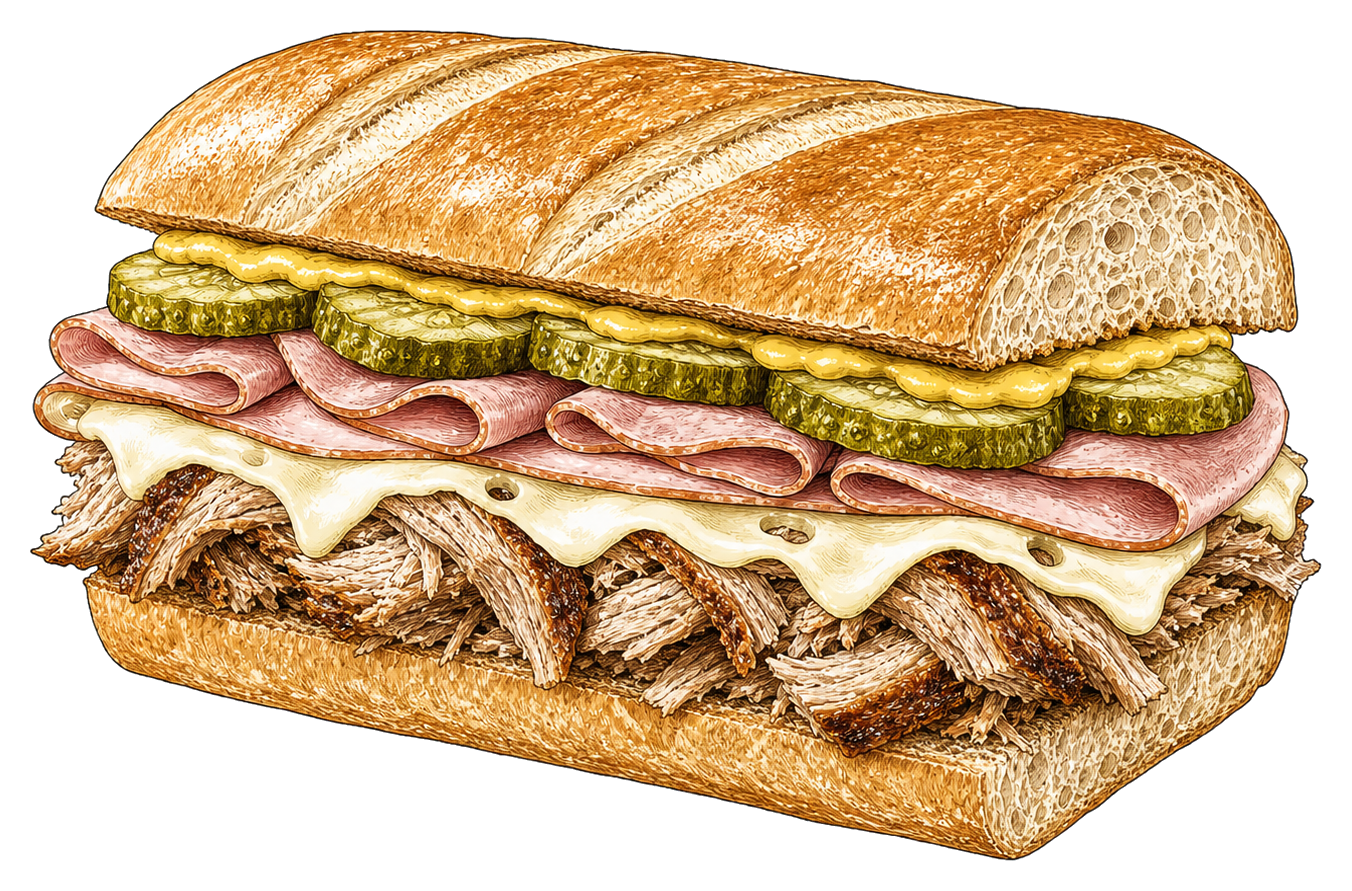
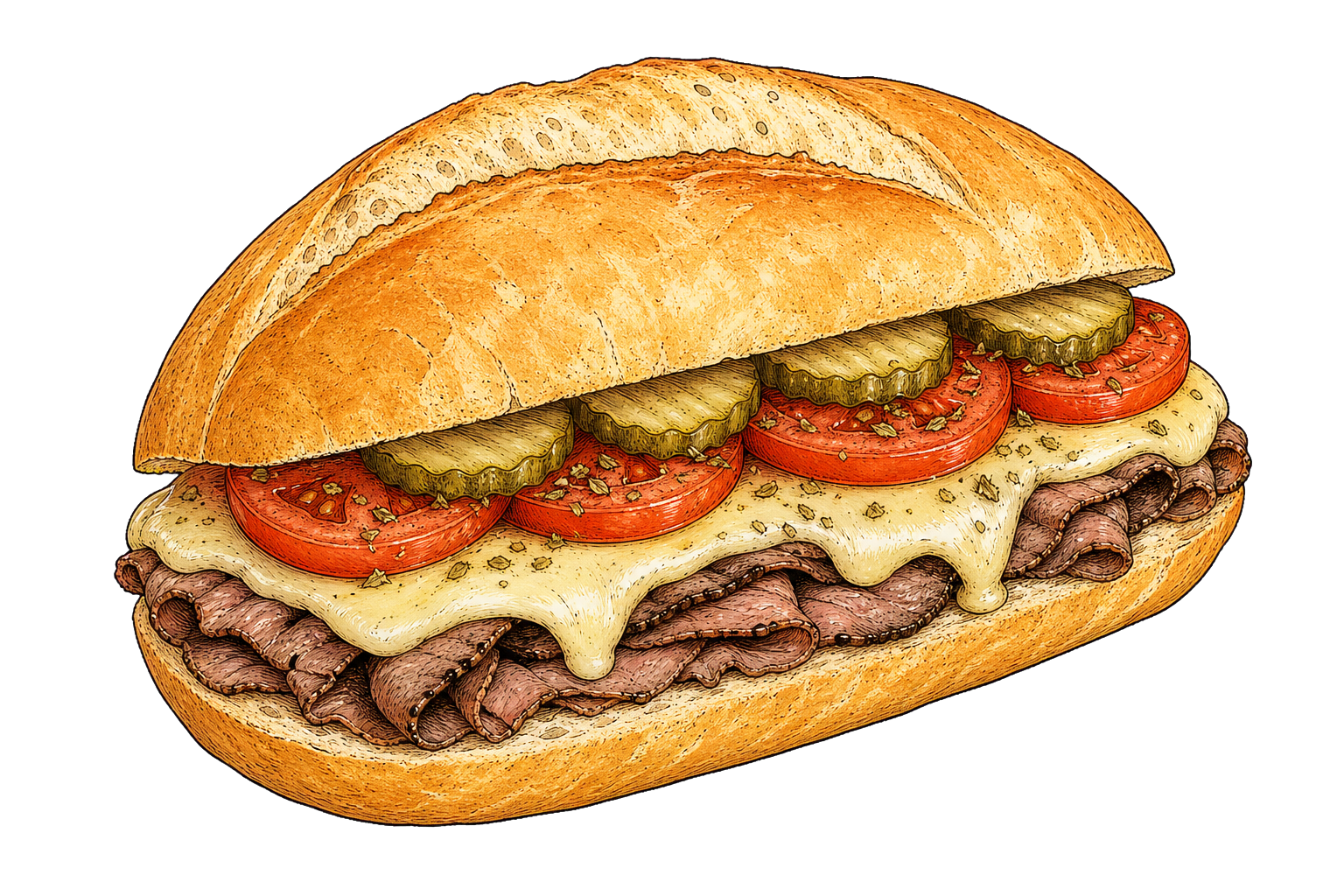
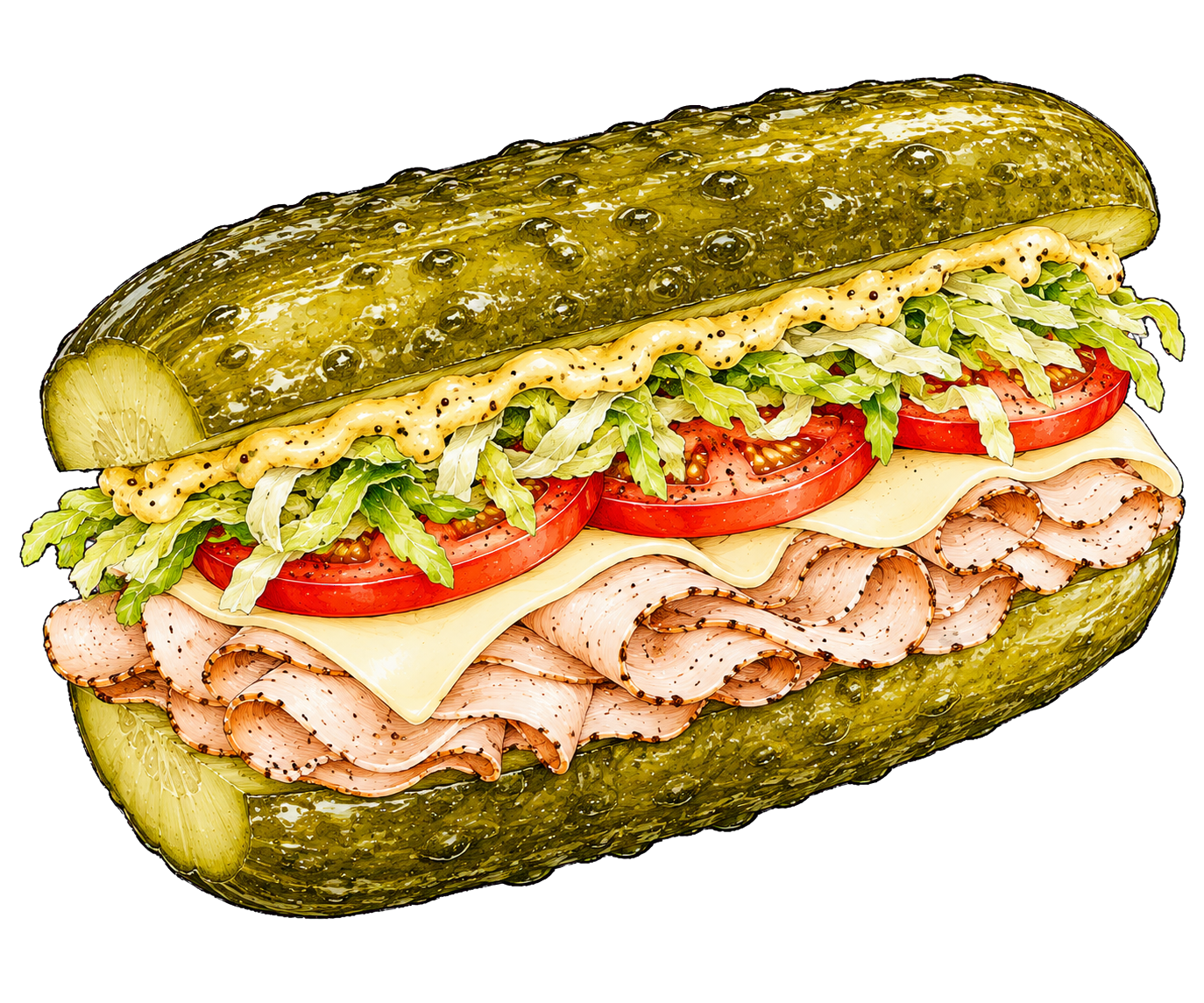
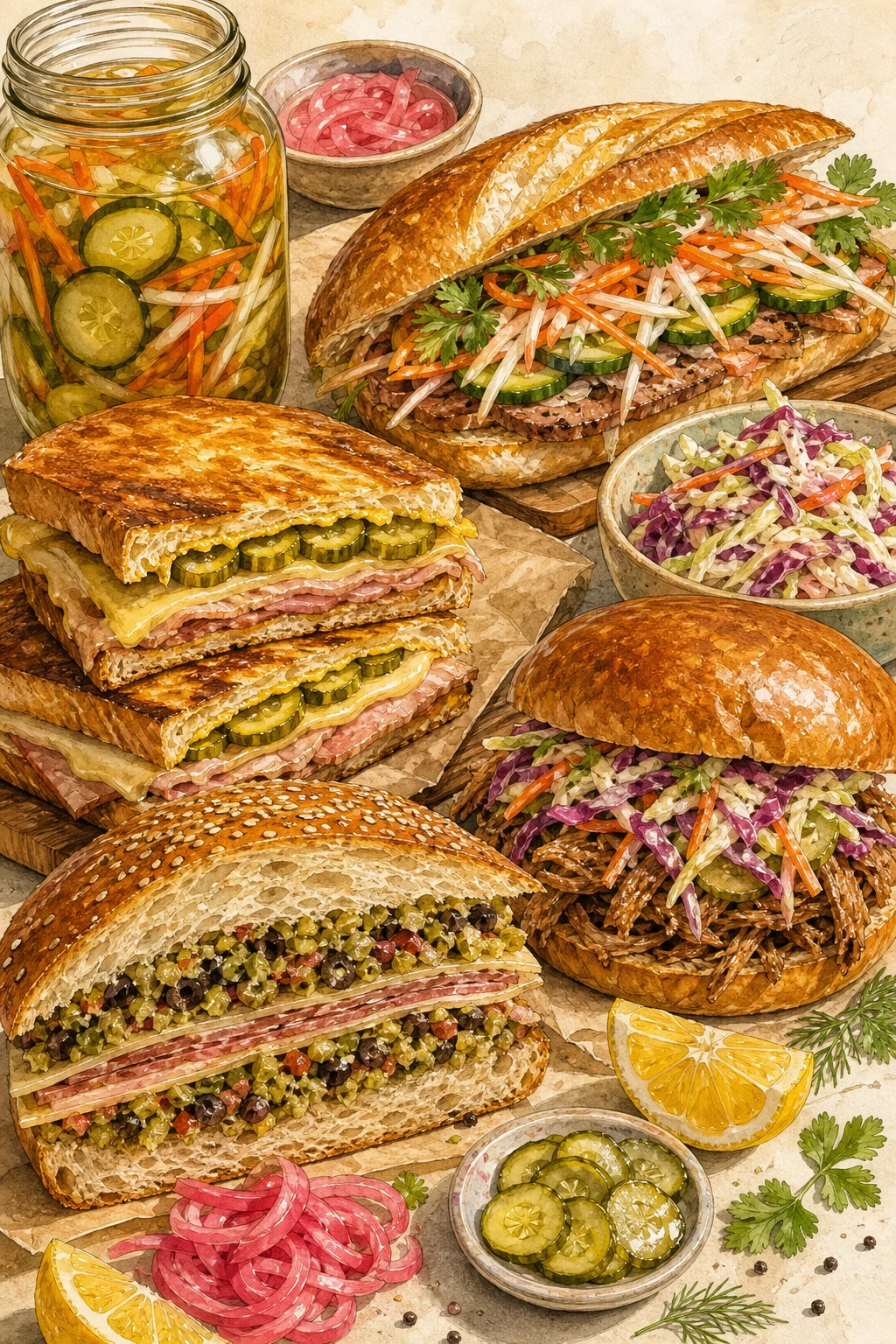
Pickles create a visible line and a flavor break. In a Cuban-style sandwich, the pickle layer is not a side thought; it sits directly against pork, ham, cheese, mustard, and pressed bread, where its snap and acidity keep the melted richness alert.
A good pickle layer should be thin enough to bite through and distributed widely enough that every mouthful gets some brightness. Thick pickle coins can be charming, but they often slide. Long slices or chopped pickles are easier to control.
Practical note: drain pickles well before assembly. Brine belongs in the pickle, not loose in the bread.
Slaw: Crunch, Moisture, and Relief
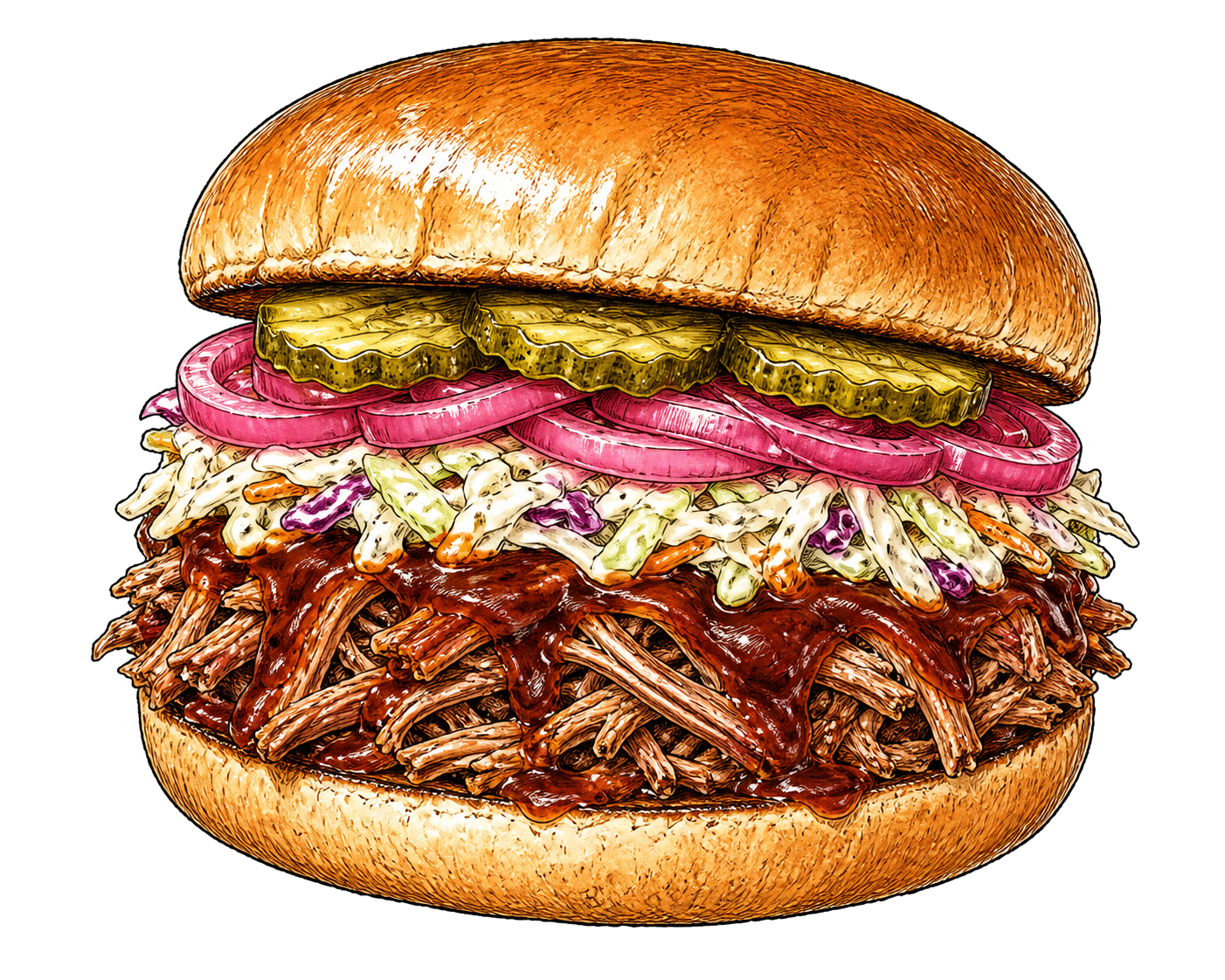
Slaw does three jobs at once. It adds crunch, introduces moisture, and lightens rich fillings such as pulled pork, fried chicken, sausage, and barbecue beef.
The best sandwich slaw is usually drier than a picnic side dish. Cabbage should be dressed, not drowned. If the slaw drips before it reaches the bread, it will make the sandwich taste watery rather than fresh.
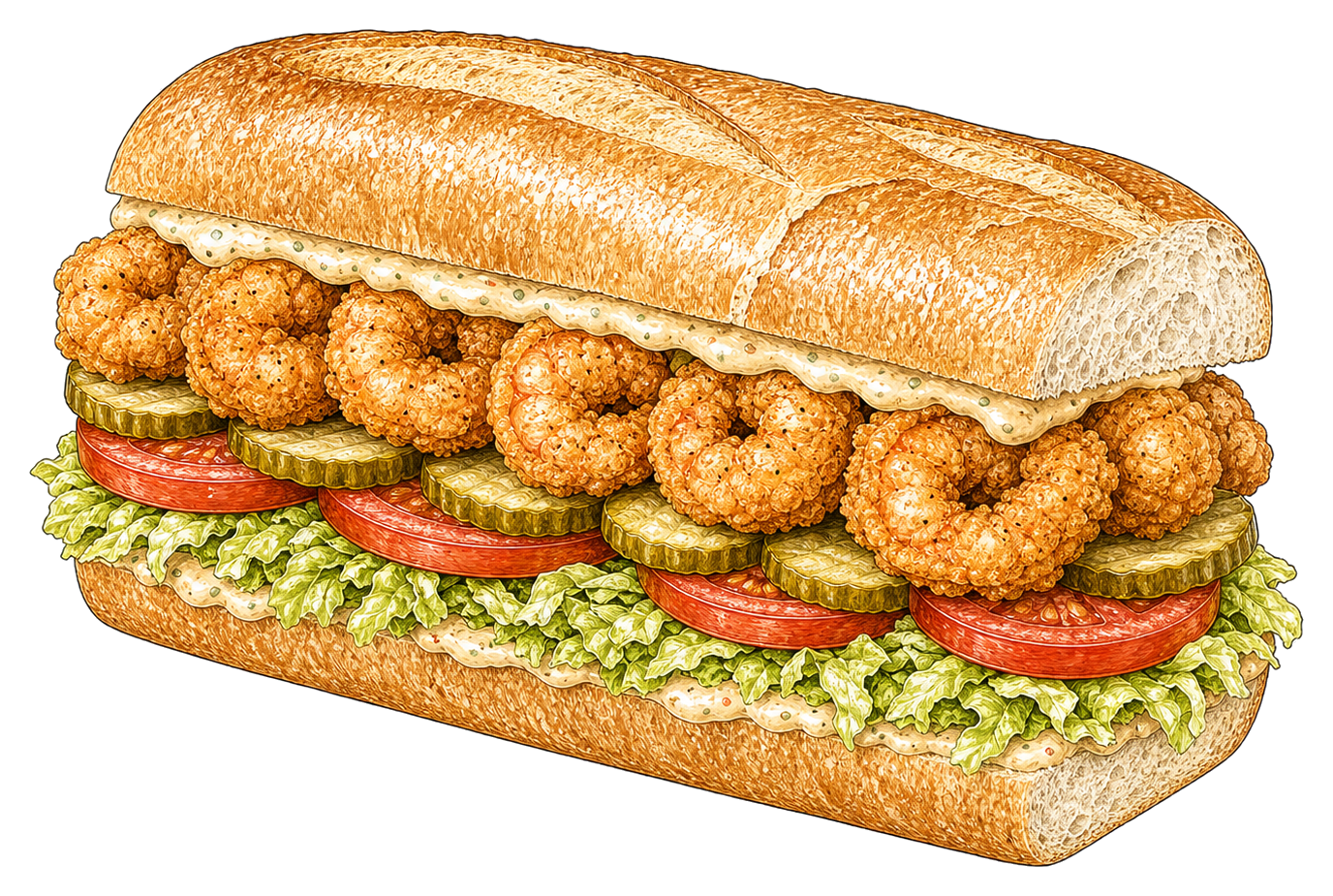
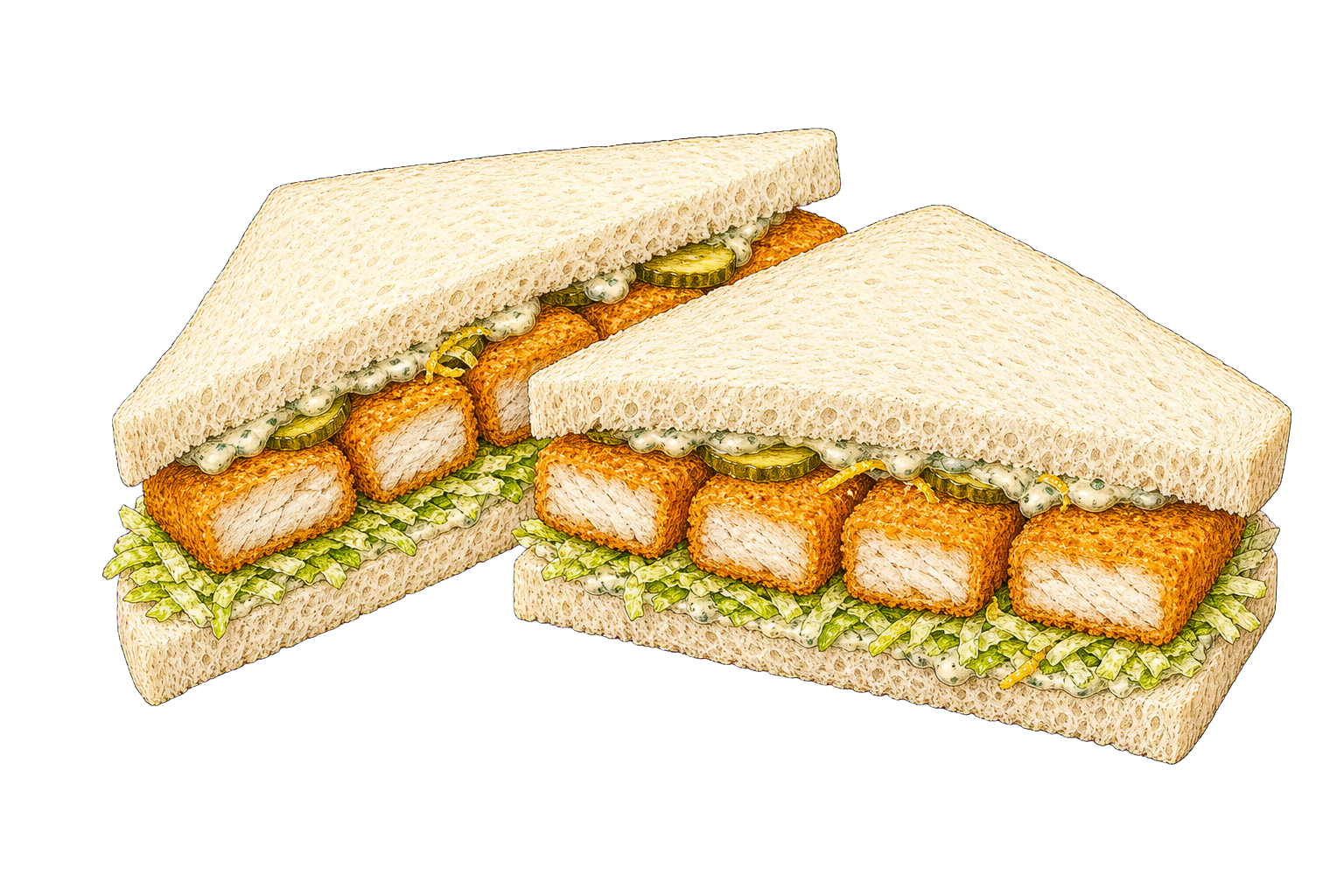
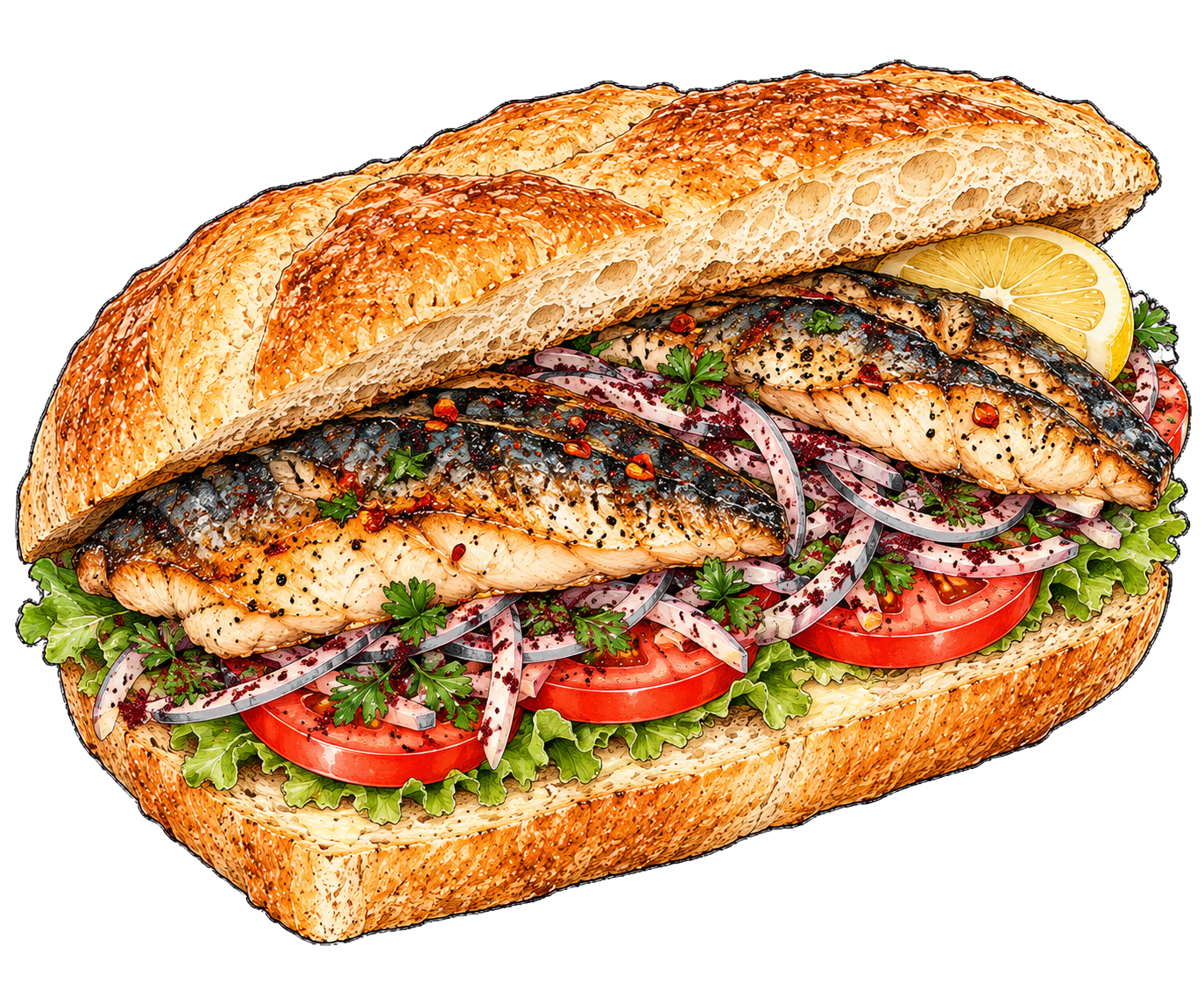
Use acid deliberately: cider vinegar for barbecue, rice vinegar for lighter pickles and vegetable-heavy sandwiches, lemon for seafood, lime for chile heat, and mustard for pressed or deli-style sandwiches that need bite without extra liquid.
Olive Salad, Relish, and Chopped Acid
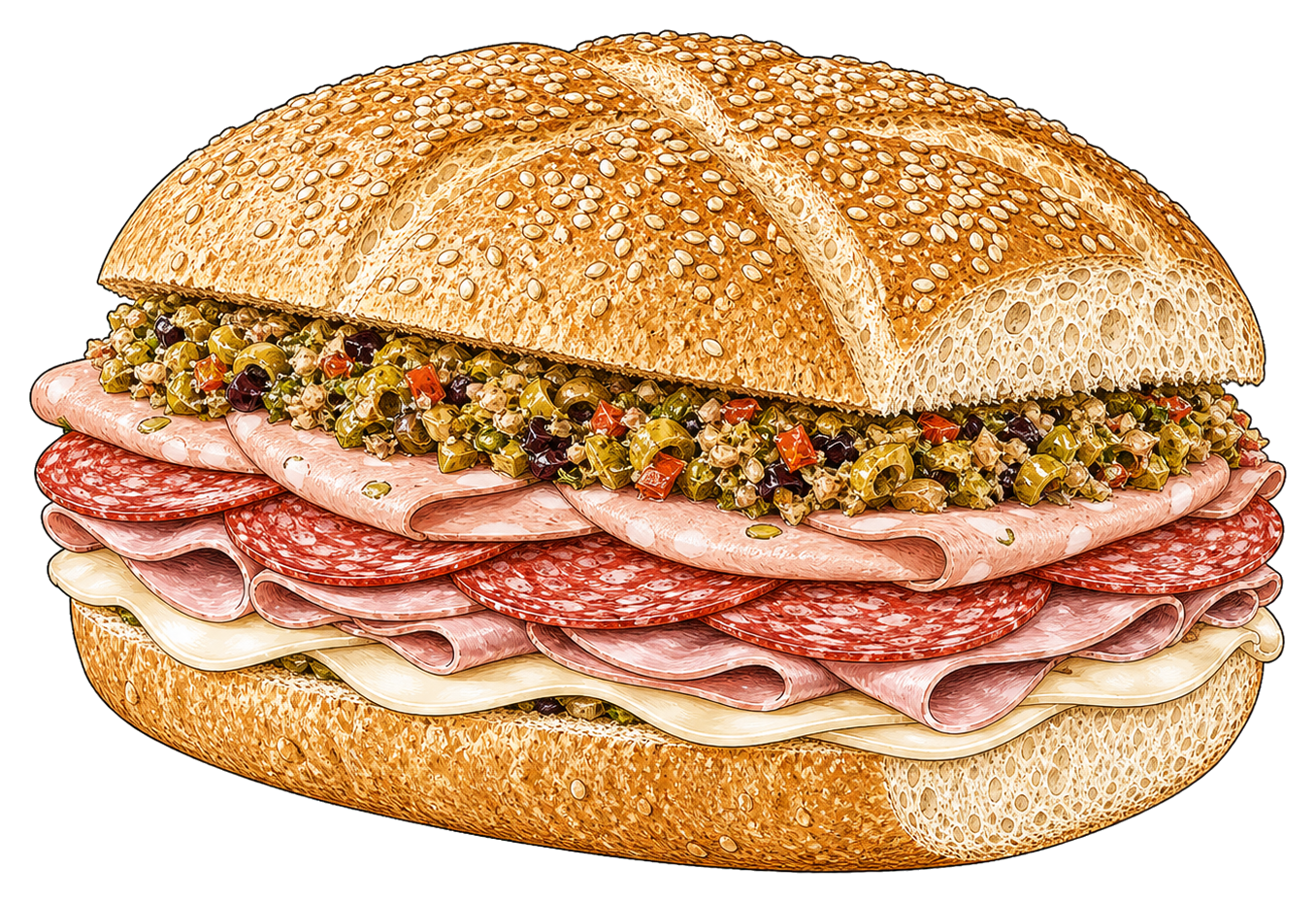
The muffuletta shows how chopped acid can become the engine of a sandwich. New Orleans & Company describes the sandwich as cured meats, cheese, olive dressing, and a round sesame loaf; the olive salad brings salt, oil, pickled vegetables, and aromatic bite into every layer.
Chopped acidic ingredients behave differently from slices. Olive salad, giardiniera, relish, and chopped pickles spread through a sandwich like seasoning. They are useful when the filling is dense, cold, or deli-heavy.
The risk is leakage. Chopped condiments should be juicy but not wet. Spoon them over cheese, meat, or a sturdy interior crumb rather than directly onto fragile bread.
Quick Pickles Are Not the Same as Canning
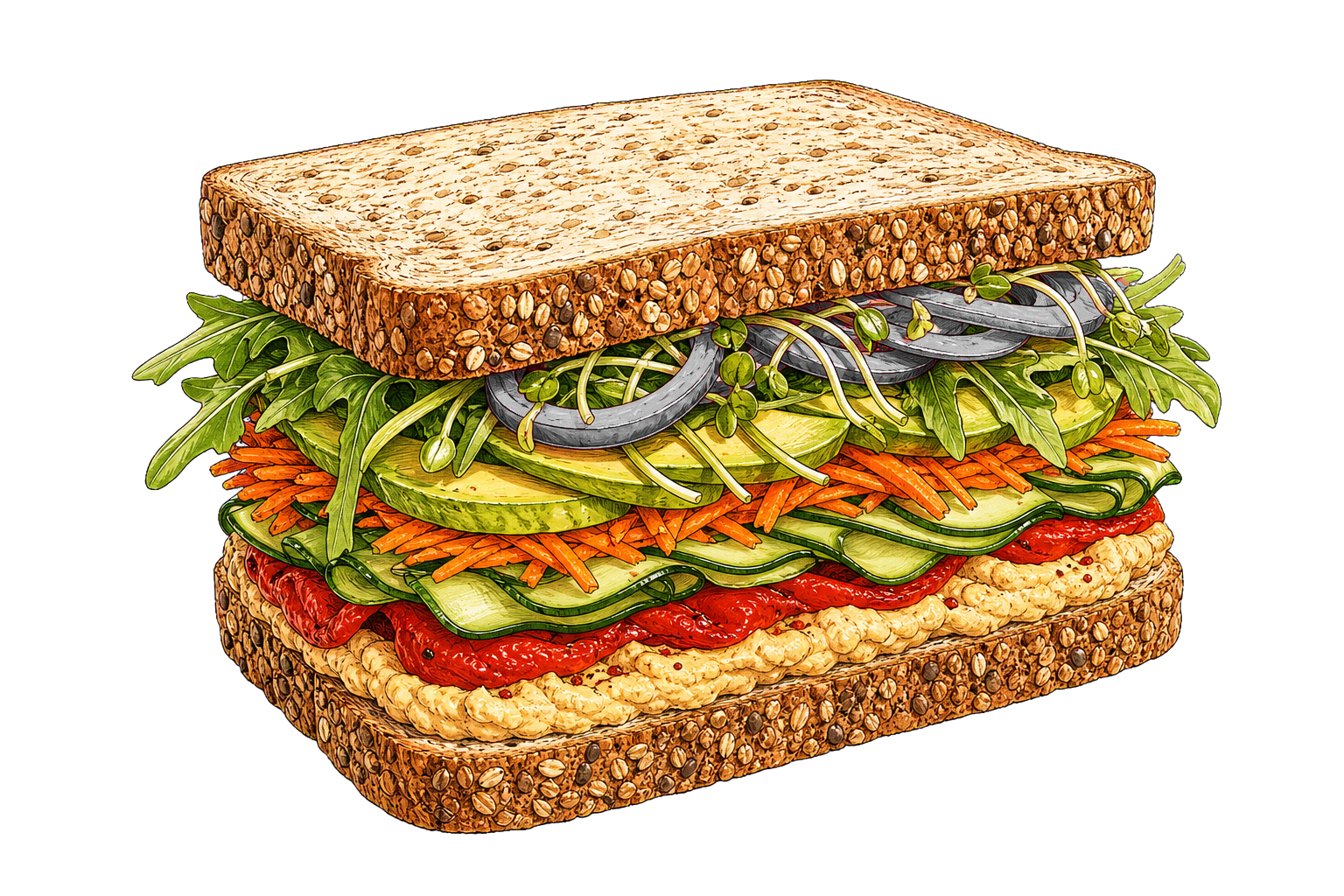
For sandwich building, quick refrigerator pickles are often enough: thin onions, cucumbers, carrots, cabbage, or radishes briefly seasoned with vinegar, salt, sugar, and aromatics.
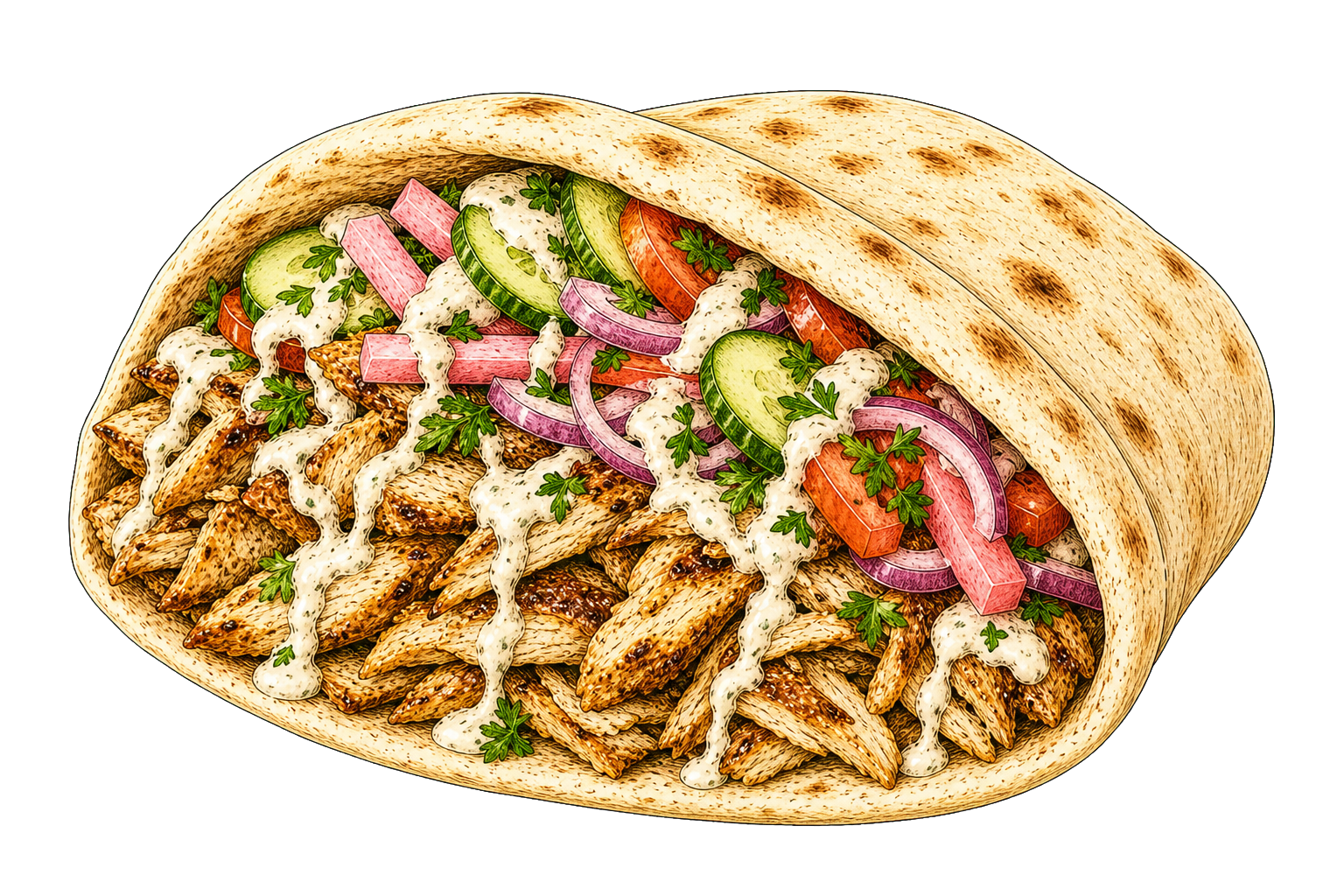
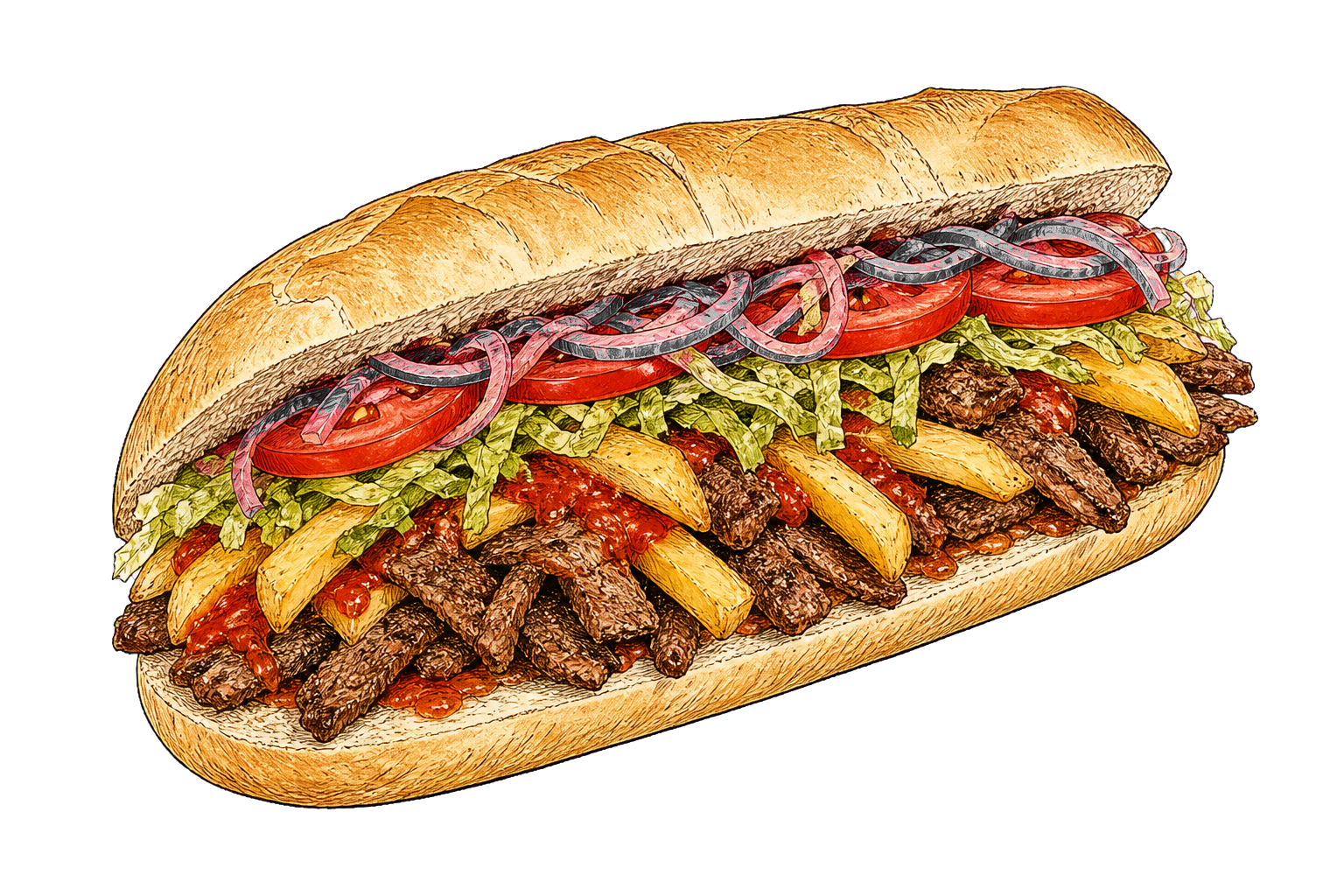
Bon Appetit describes quick-pickled red onions as crisp, punchy, and useful on breakfast sandwiches, burgers, tacos, bowls, and more. That is exactly the kind of flexible condiment a sandwich cook should keep nearby.
Food-safety note: quick sandwich pickles are not shelf-stable canning recipes. The National Center for Home Food Preservation emphasizes that acidity levels and tested proportions matter for preserved pickles. If you are preserving jars for storage, use tested canning guidance rather than improvising.
Where to Put Acid in the Stack
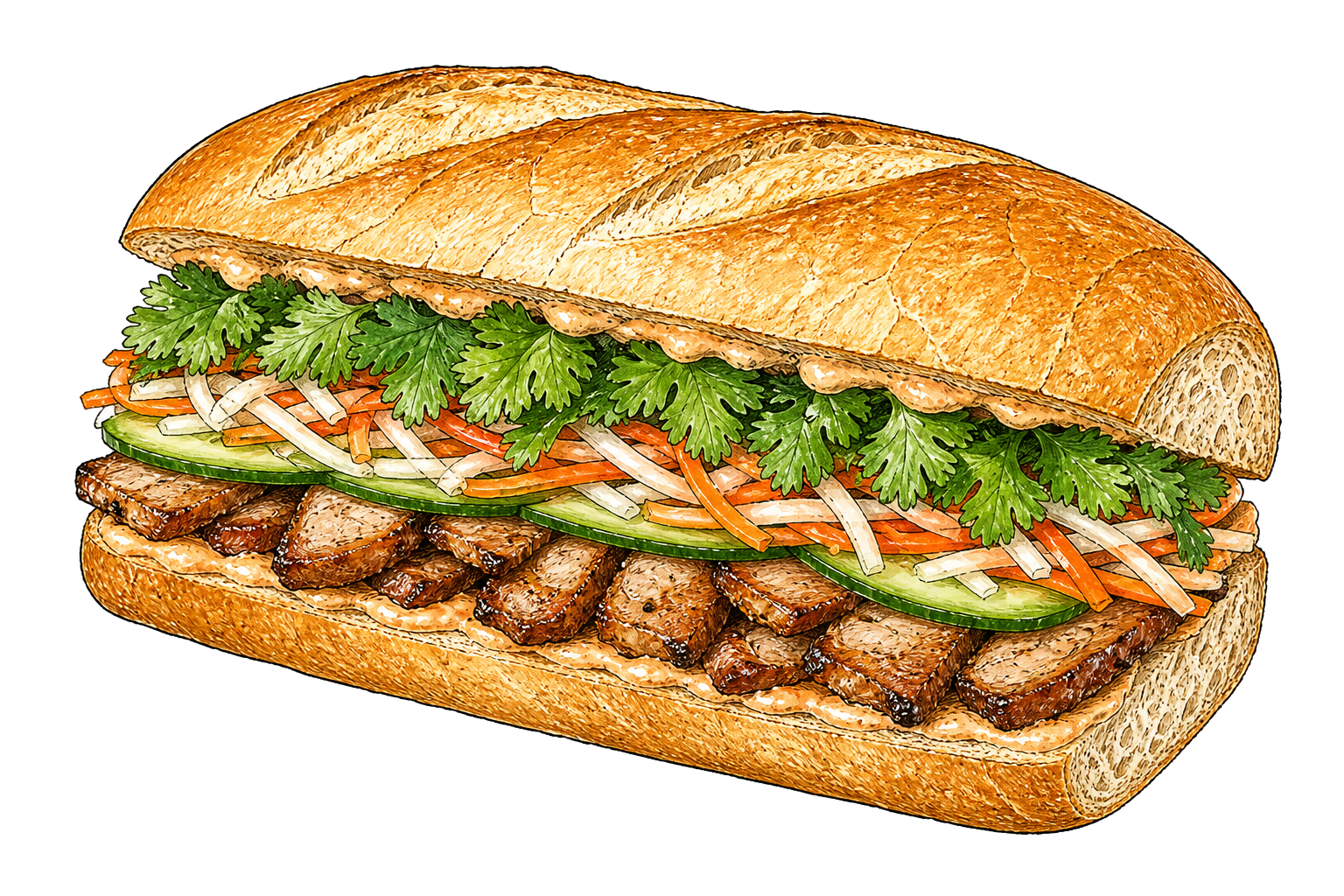
Placement matters. Acid near fat creates balance: pickles against cheese, mustard against ham, slaw against pork, lemony mayo against fried seafood, pickled vegetables against grilled meat.
Acid near bread can be risky unless there is a barrier. Use butter, mayonnaise, cheese, lettuce, meat, or a toasted surface to protect soft bread. On crusty rolls, a little acidic dressing can settle into the crumb beautifully, but too much will hollow out the bite.
Visual note: bright ingredients should be visible at the edge. The orange carrot and white daikon of a banh mi, the green pickle line of a Cuban, and the purple cabbage in slaw all tell the reader what the sandwich will taste like before the first bite.
How Much Is Enough?
Use enough acid that the sandwich changes after one bite, but not so much that it tastes like a condiment jar. The goal is lift, not domination.
For a rich sandwich, start with one bright layer and one sharp spread: pickles plus mustard, slaw plus vinegar, olive salad plus provolone, lemony mayo plus seafood. If the filling is already tangy, keep the extra acid smaller.
The final test is simple. After three bites, do you want a fourth? If the sandwich feels heavy, add brightness. If it feels sharp or thin, add fat, bread, or a calmer layer.
Closing
Pickles, slaw, and acid make sandwiches feel complete because they create contrast. They keep soft bread from tasting dull, rich meat from feeling heavy, and cheese from flattening the whole stack.
The best bright layer is not loud. It is placed with intention, drained with care, and repeated just often enough that every bite has a reason to continue.