
World Sandwich Atlas - World Sandwich
10 Sandwiches From Around the World
A visual journey through iconic sandwiches from Vietnam, Japan, New Orleans, India, Portugal, and beyond.
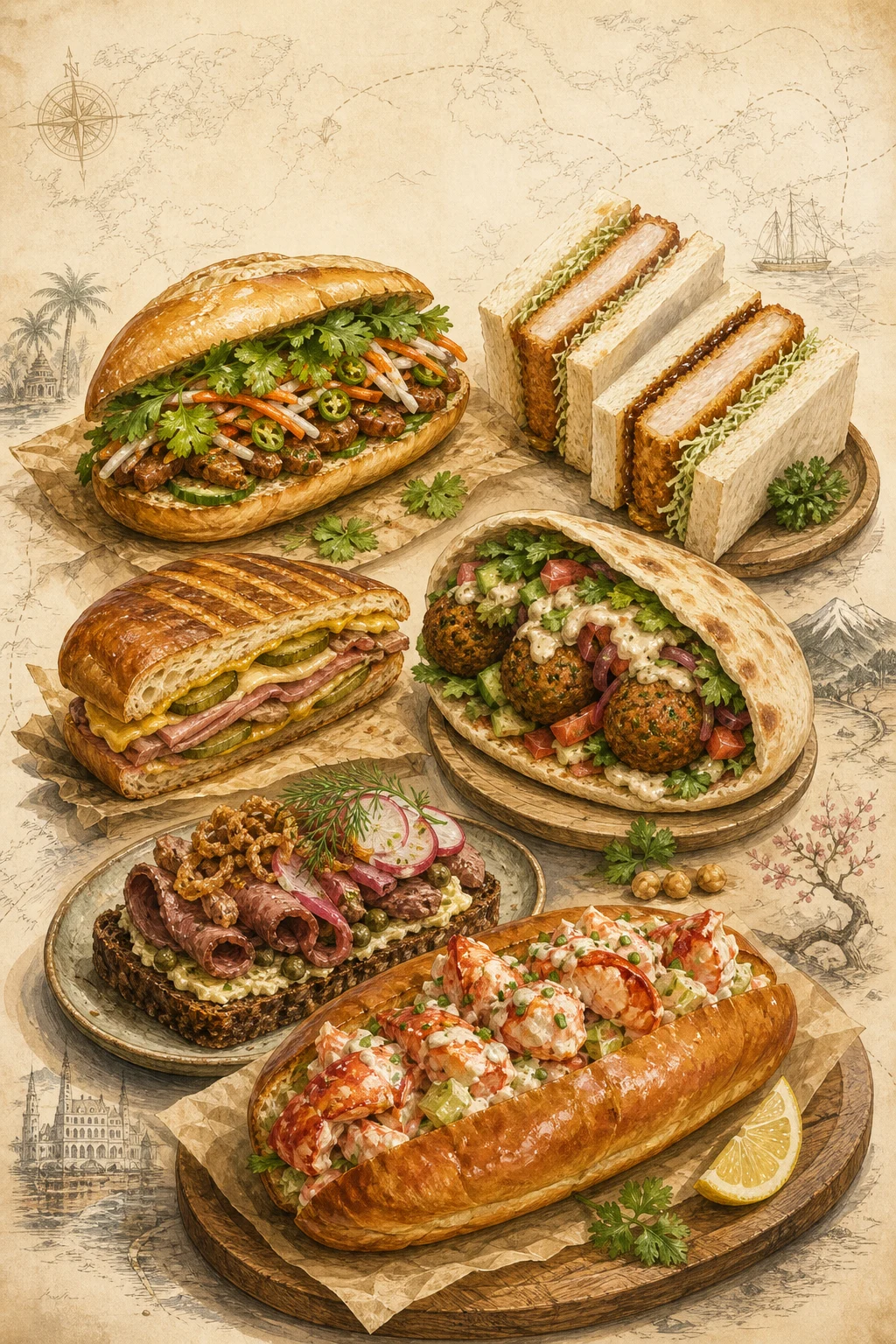
A sandwich is more than a meal between two slices of bread. It is a reflection of culture, history, local ingredients, and the everyday need for food that travels well.
A sandwich is never just bread plus filling. It is a local answer to a very practical question: what can be carried, shared, sold on the street, packed for work, or eaten quickly without losing its character?
This first World Sandwich Atlas entry looks at ten sandwiches that show how flexible the format can be. Some are pressed and hot, some are open-faced, some are built for street corners, and some are best understood as a full meal tucked between bread.
What Makes a Sandwich Travel Well?
Portable food travels when the structure is strong enough to survive the first bite. Bread sets the architecture, but the personality comes from contrast: salt against acid, crisp against soft, fresh herbs against rich meat, or sauce against toast.
The sandwiches below are not ranked. Think of them as a small map of sandwich logic, each one teaching a different way to balance bread, filling, moisture, and cultural memory.
1. Banh Mi - Vietnam
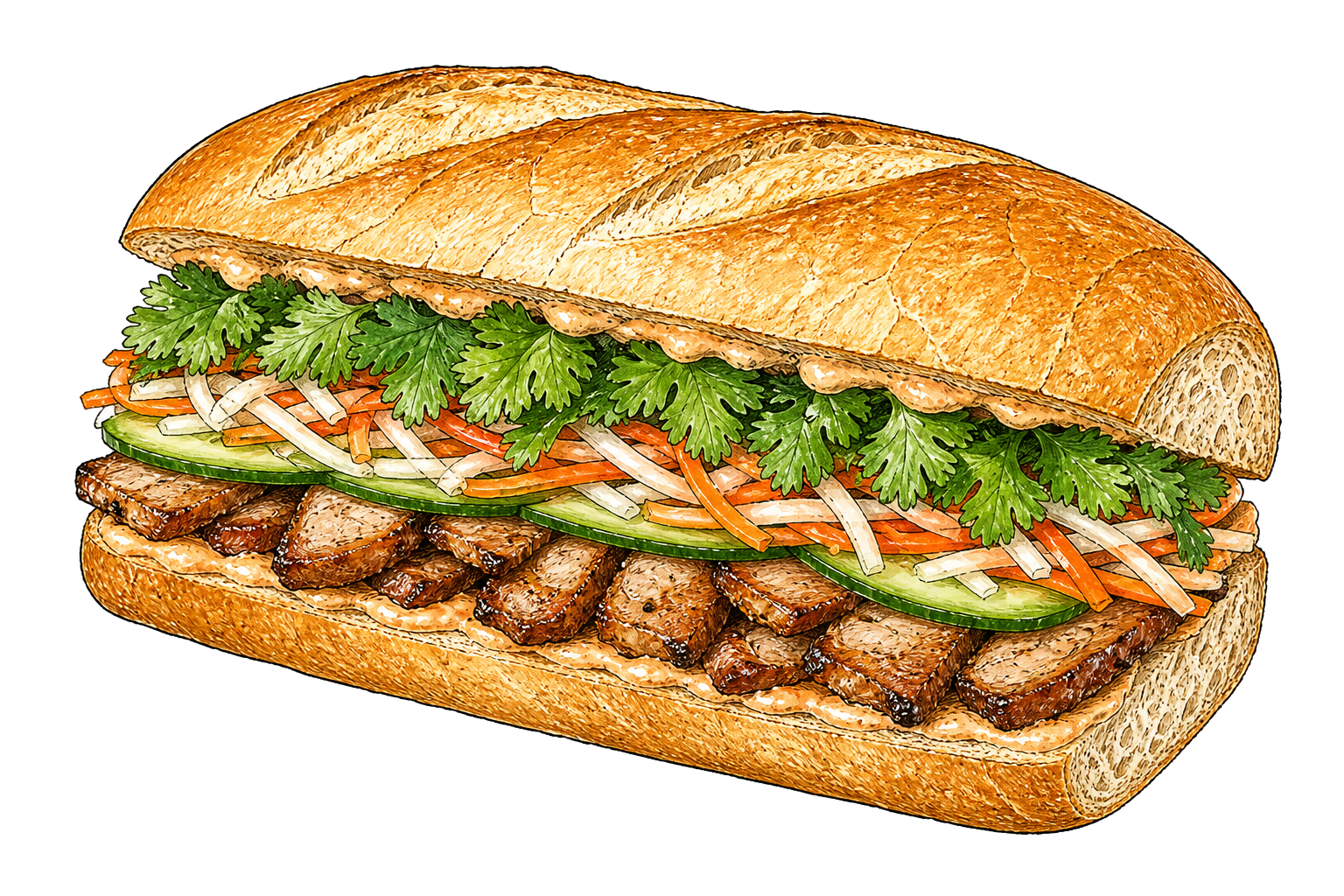
What it is: a crisp, airy baguette-style sandwich filled with savory protein, pickled vegetables, herbs, chili, and often pate or mayonnaise.
Why it stands out: banh mi is all about contrast. The bread shatters lightly, the pickles bring clean acidity, the herbs add fragrance, and the chili keeps the bite alert.
Cultural note: it is widely associated with Vietnam's layered food history, where French bread met Vietnamese ingredients, techniques, and street-food practicality.
Sandwich Lovers note: banh mi is a perfect study in freshness. If we illustrate it, the pickles and herbs need to be as readable as the main filling.
2. Cuban Sandwich - Cuba / Florida, USA
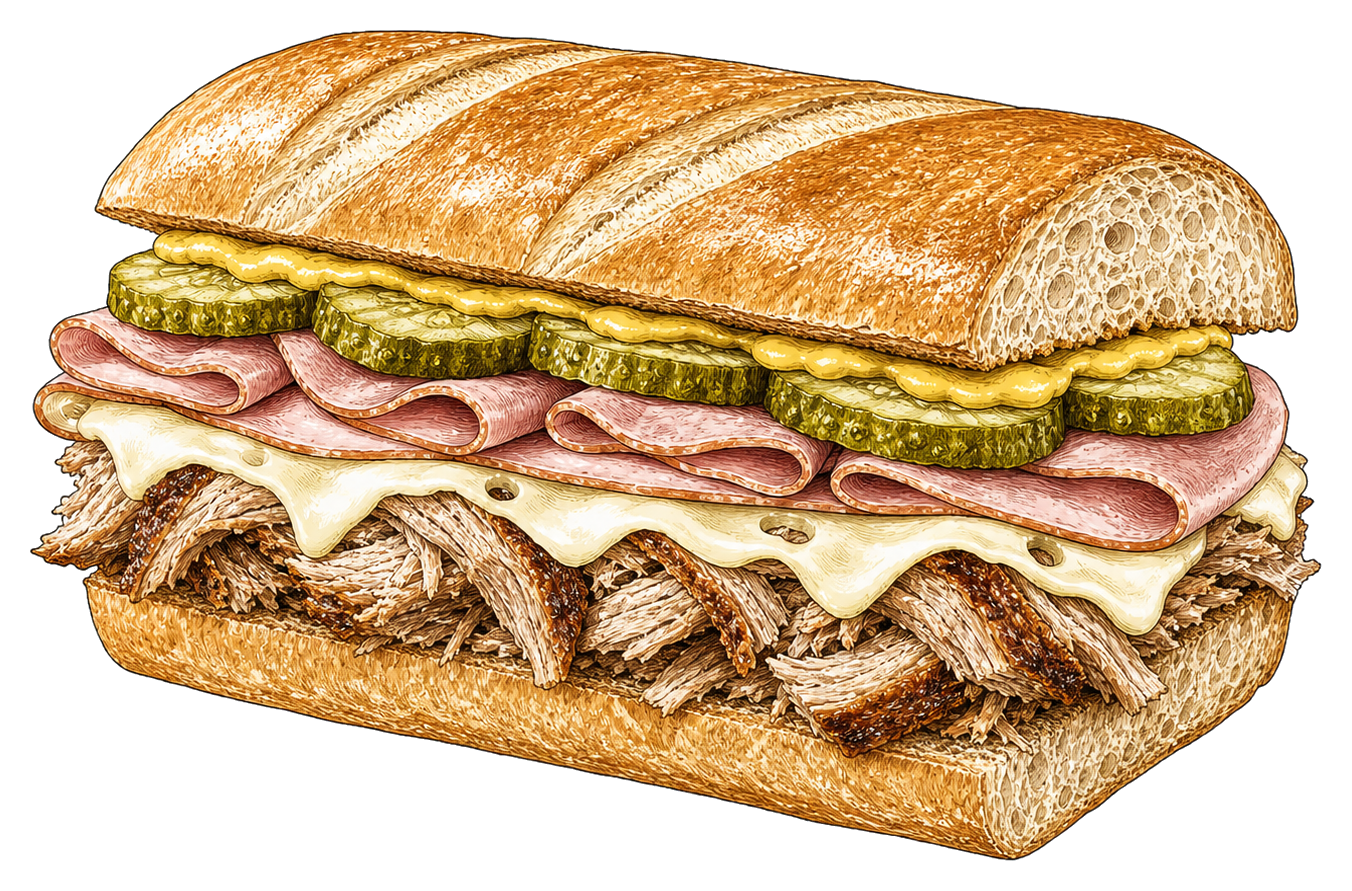
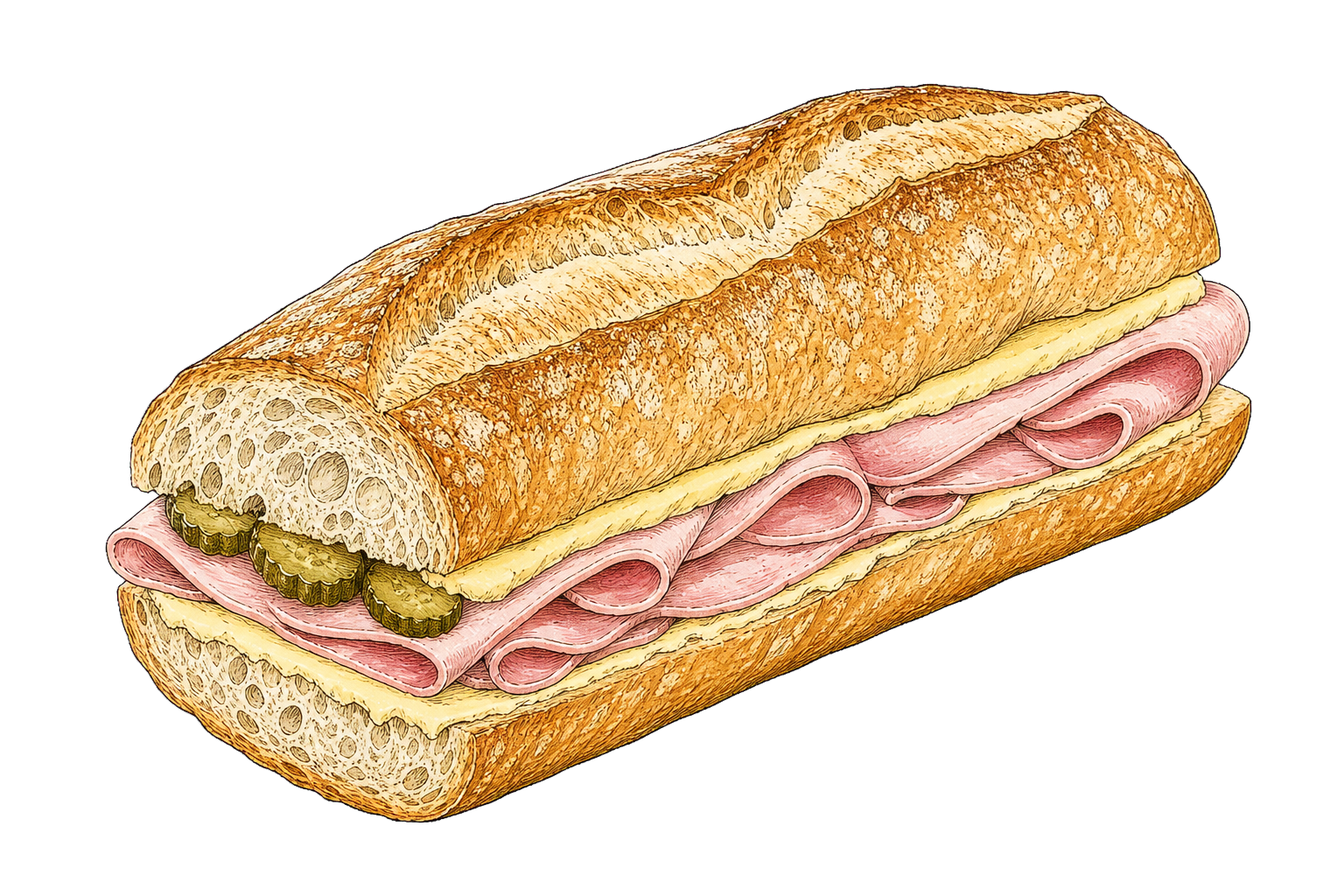
What it is: Cuban bread pressed with roast pork, ham, Swiss cheese, pickles, and mustard until the bread is crisp and the cheese melts.
Why it stands out: the sandwich works because heat turns separate deli layers into one compact, savory stack. Pickles and mustard cut through the pork and cheese.
Cultural note: the Cuban sandwich is strongly tied to Cuban communities in Florida, especially Tampa and Miami, though origin stories vary by city and community.
Sandwich Lovers note: the visual signature is compression. The best illustration should show the flat pressed shape, glossy cheese edge, and pickle line.
3. Muffuletta - New Orleans, USA
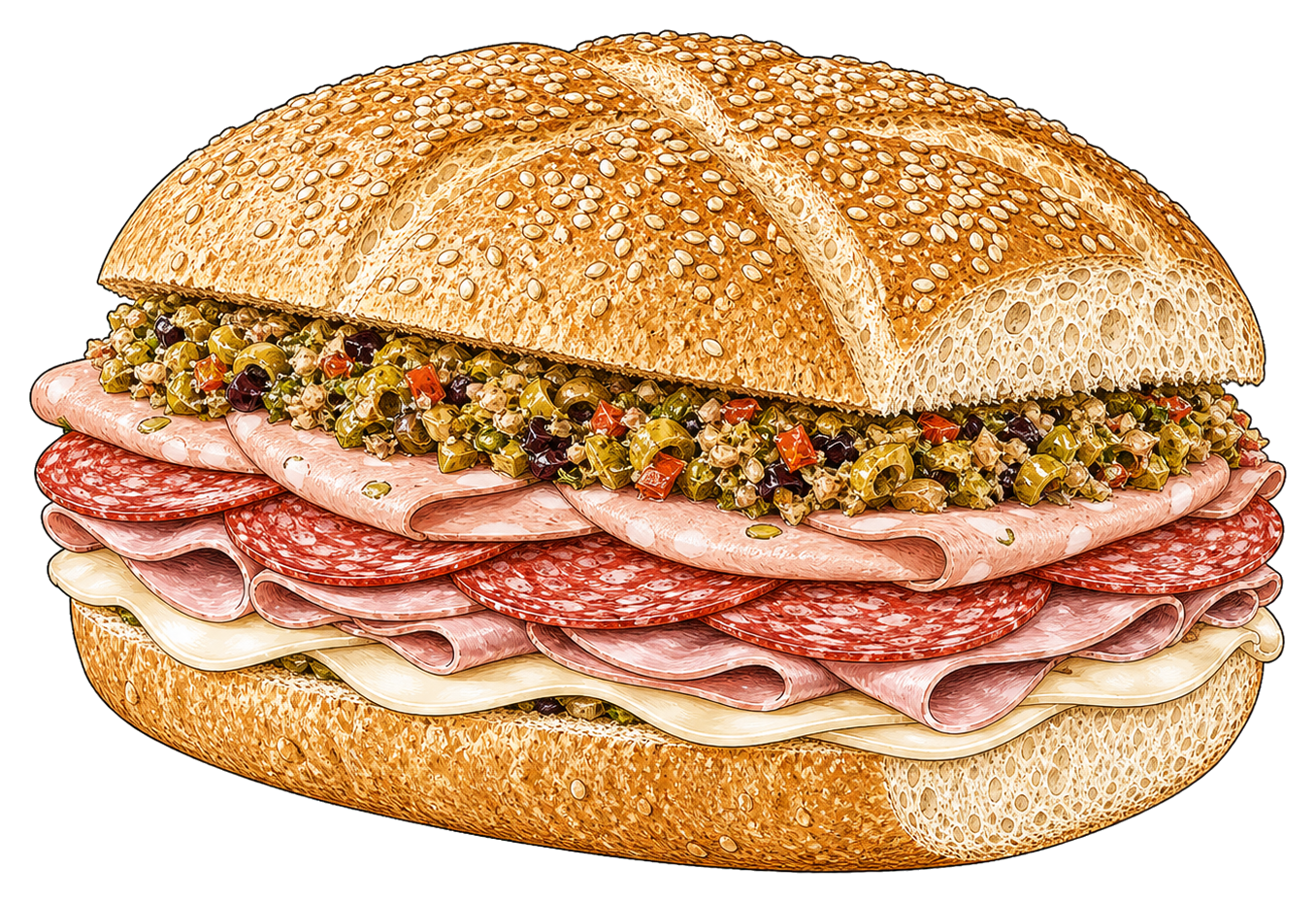
What it is: a round sesame loaf filled with Italian cold cuts, cheese, and a chopped olive salad rich with brine and oil.
Why it stands out: the olive salad is not a garnish. It is the engine of the sandwich, bringing acid, salt, aroma, and moisture into a dense deli-style stack.
Cultural note: muffuletta is closely associated with New Orleans and its Italian immigrant food traditions. It is often connected to Central Grocery, one of the sandwich's best-known origin stories.
Sandwich Lovers note: this sandwich is built for a cross-section. The round loaf and olive layer make it instantly recognizable.
4. Katsu Sando - Japan
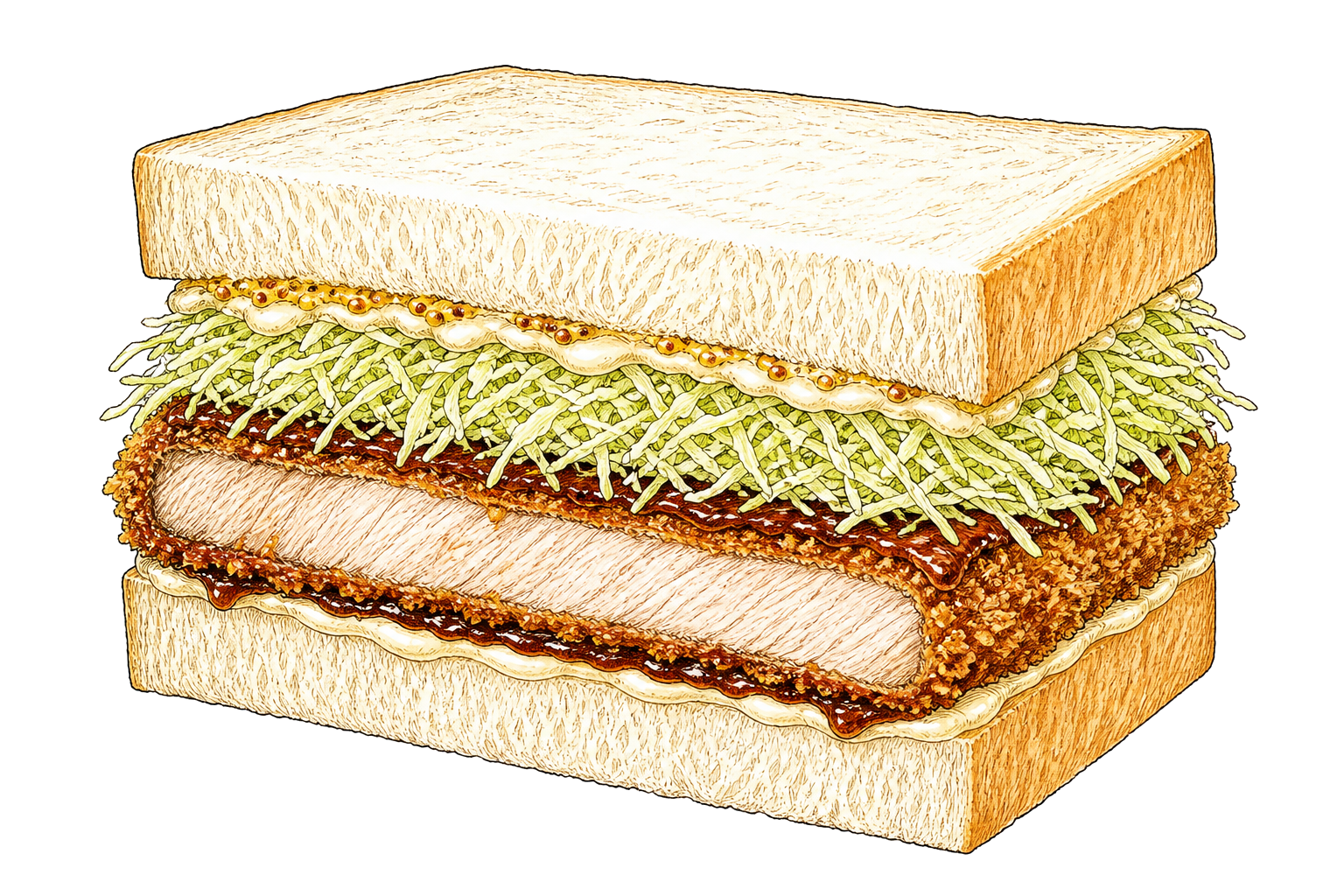
What it is: a crisp breaded cutlet served between soft milk bread, often with tonkatsu sauce and a very clean cut edge.
Why it stands out: katsu sando is a lesson in restraint. The bread is soft, the cutlet is crisp, and the sauce brings sweet-savory depth without clutter.
Cultural note: it reflects Japan's love of precise cafe and convenience-store sandwiches, where clean structure and beautiful cross-sections matter.
Sandwich Lovers note: the cutlet thickness and soft bread edge are the whole story. It should look tidy rather than overloaded.
5. Vada Pav - India
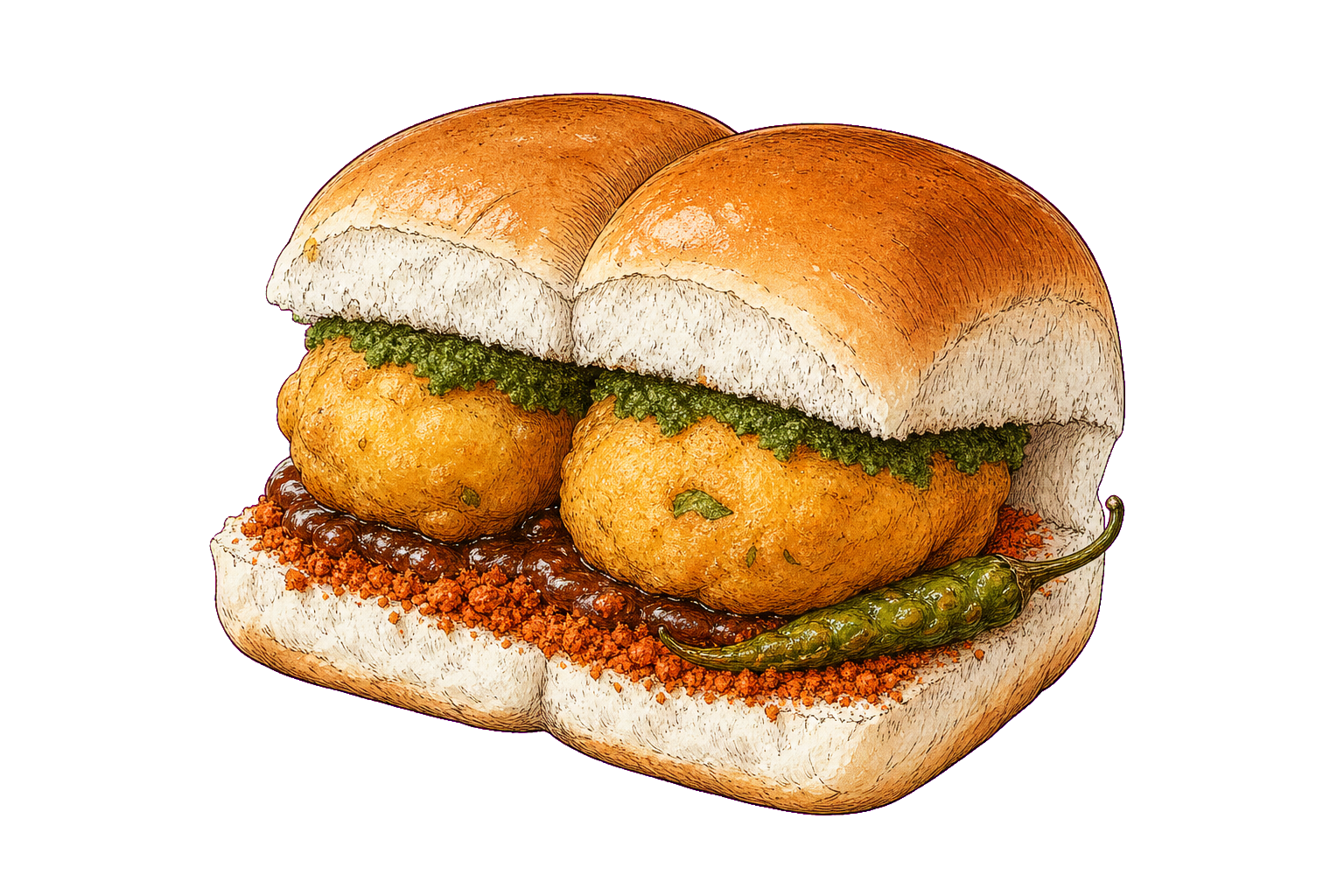
What it is: a spiced potato fritter tucked into a soft pav bun, usually served with chutneys and sometimes fried green chili.
Why it stands out: it is small, fast, and powerful. The soft bun carries a hot, crisp potato center, while chutney provides heat, garlic, and tang.
Cultural note: vada pav is strongly associated with Mumbai street food and everyday commuter eating.
Sandwich Lovers note: this is a reminder that a sandwich does not need a long ingredient list to feel complete.
6. Falafel Pita - Middle East
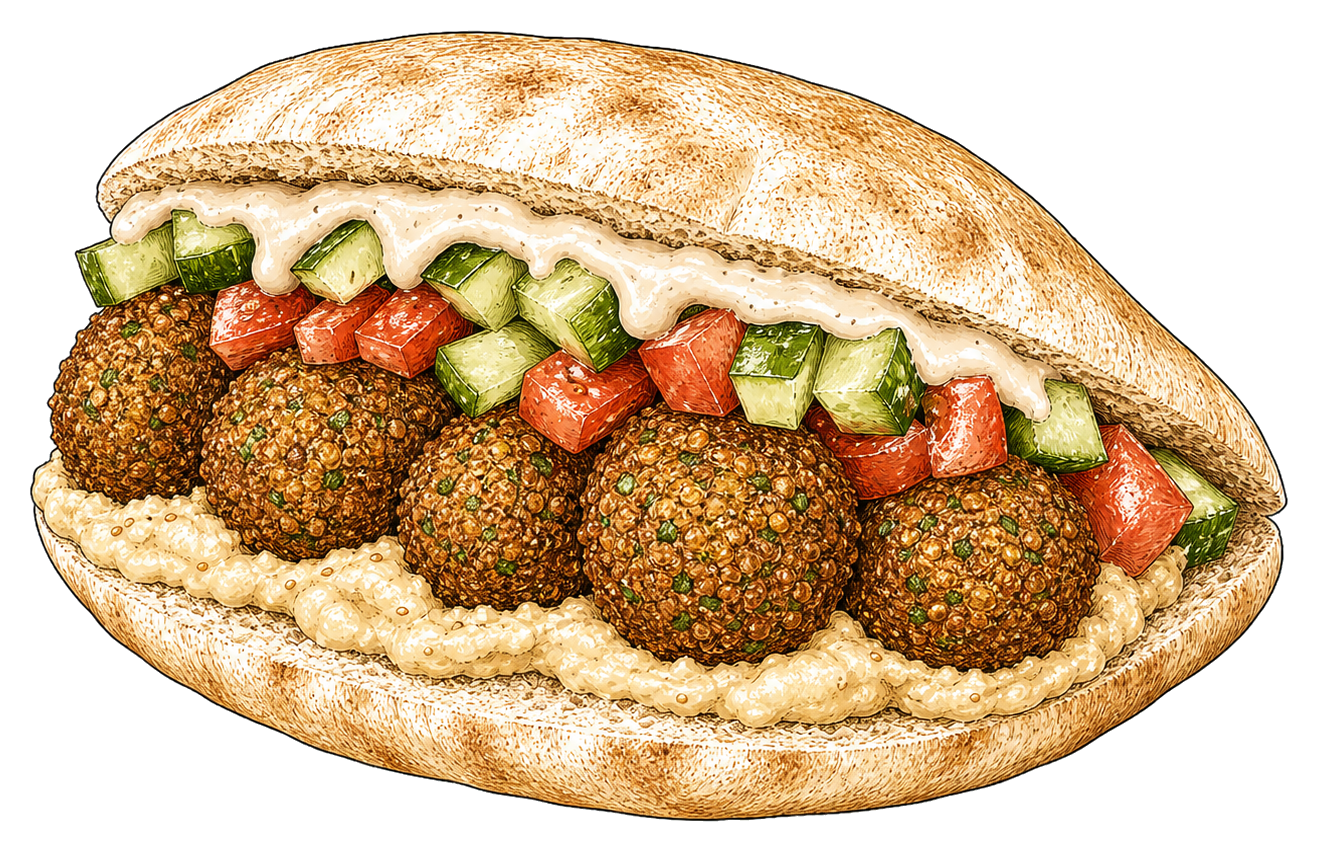
What it is: crisp falafel tucked into warm pita with tahini, vegetables, pickles, herbs, and sometimes a little chili heat.
Why it stands out: falafel pita is a study in texture. The fritters bring crunch and spice, while tahini and fresh vegetables keep the sandwich bright and balanced.
Cultural note: falafel sandwiches appear across the Middle East and beyond, changing with local pickles, breads, salads, and sauces.
Sandwich Lovers note: the best visual cue is the rounded falafel against soft pita, with herbs and pickles adding color around the edges.
7. Chivito - Uruguay
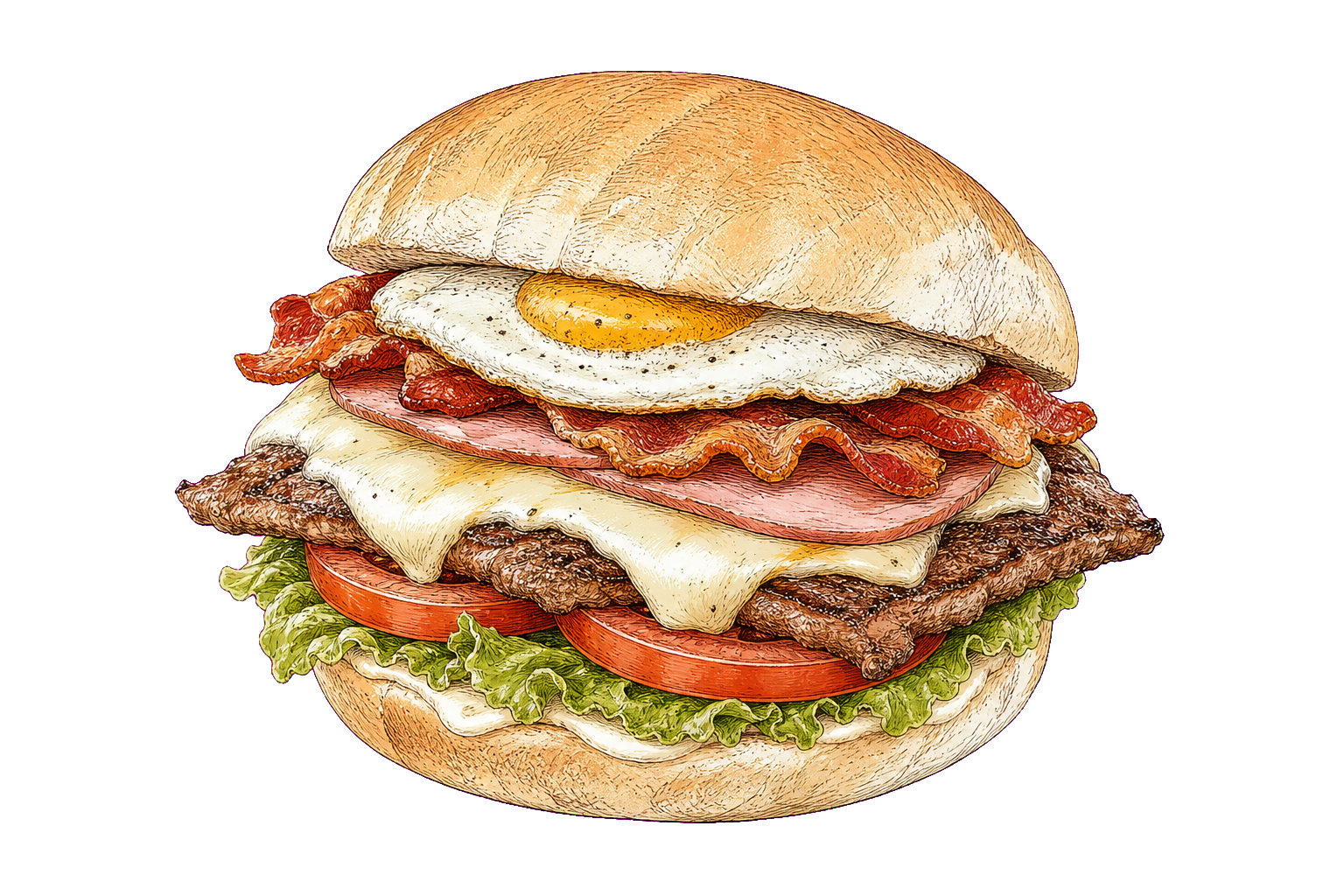
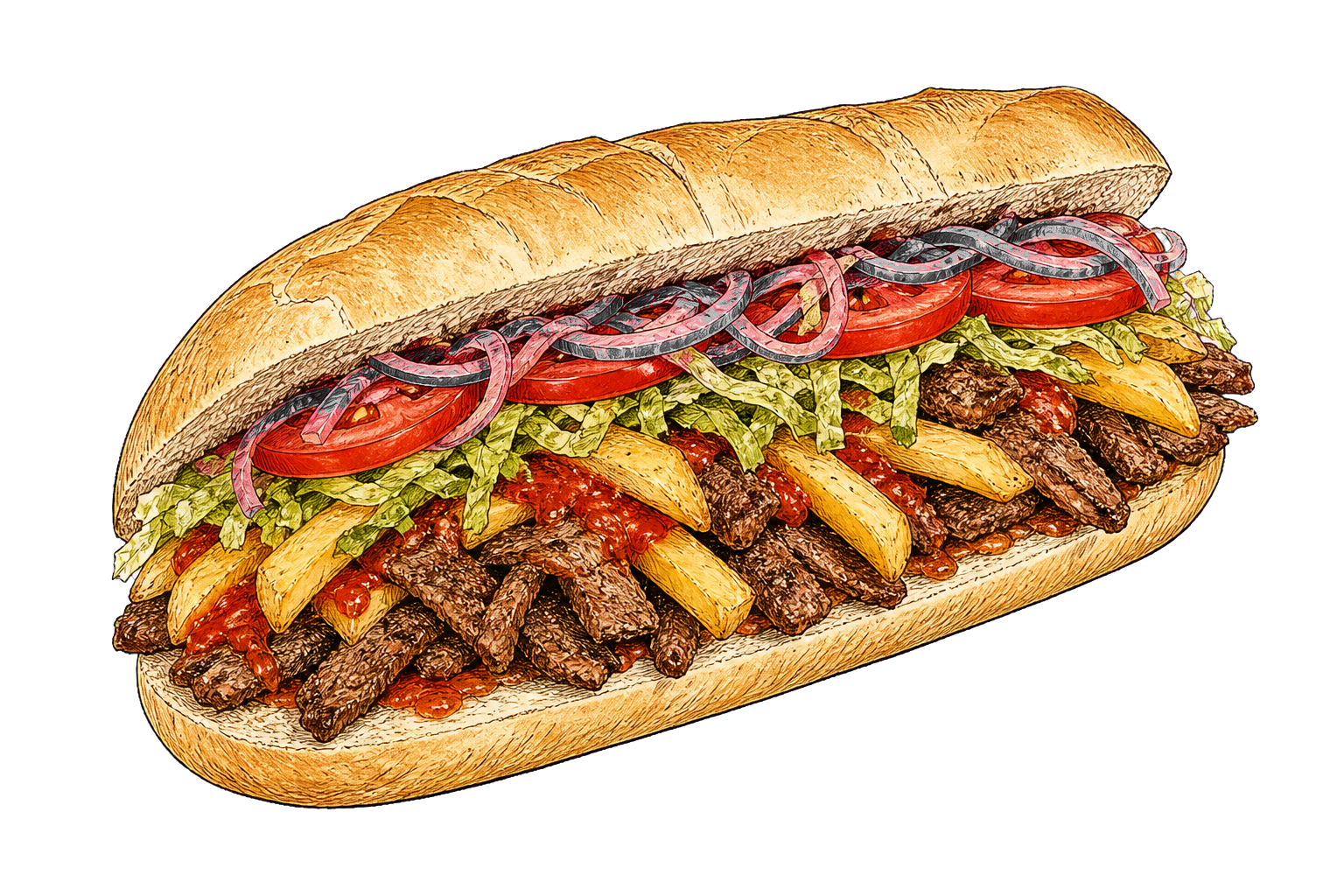
What it is: a generous Uruguayan sandwich often built with beef steak, ham, cheese, egg, lettuce, tomato, and mayonnaise.
Why it stands out: chivito is abundance in sandwich form. It feels like a full diner plate reorganized into bread.
Cultural note: it is widely regarded as one of Uruguay's signature sandwiches, with many local variations.
Sandwich Lovers note: this one is about height and generosity, but it still needs ingredient readability.
8. Smorrebrod - Denmark
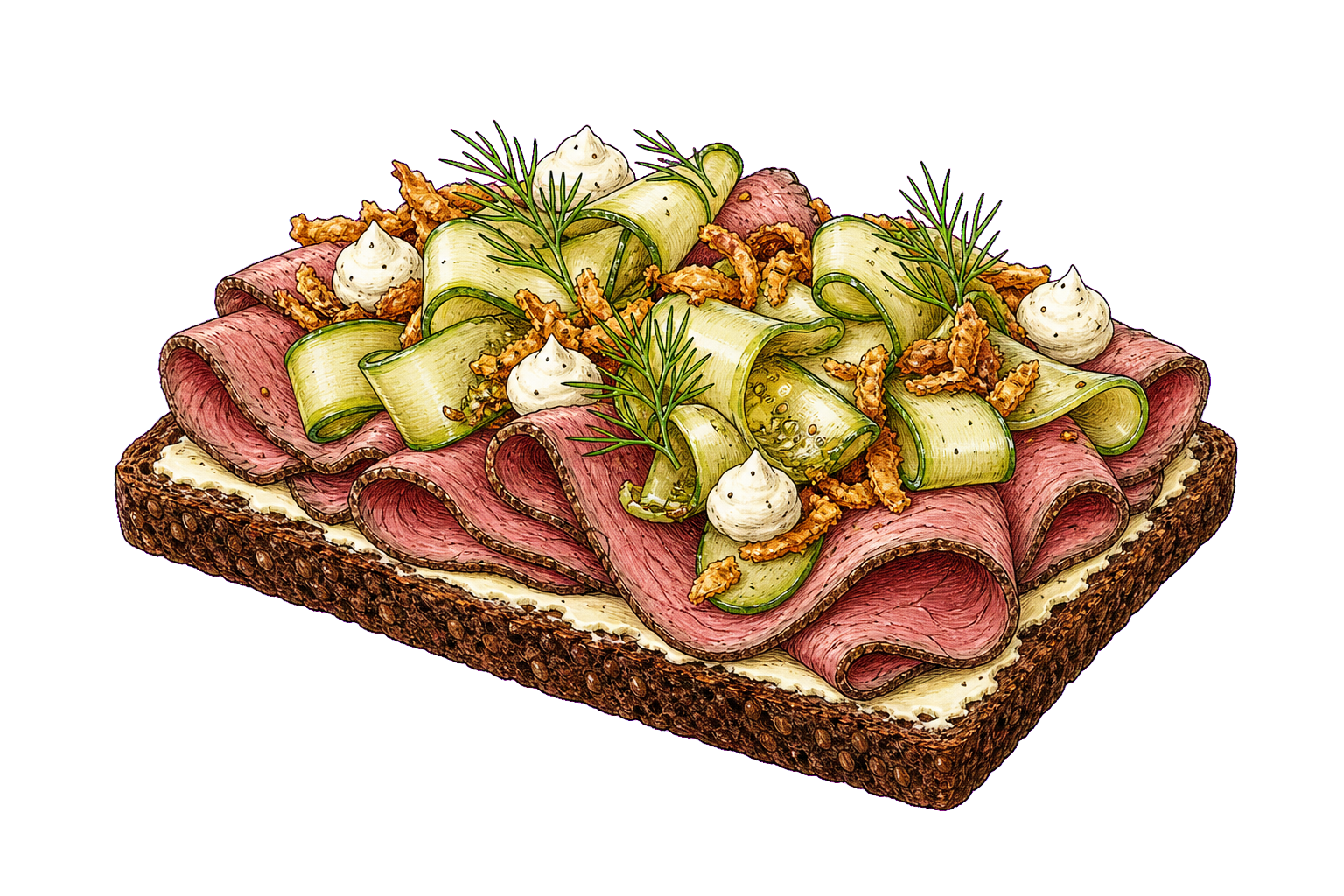
What it is: an open-faced sandwich traditionally built on dense rye bread with composed toppings such as fish, egg, pickles, herbs, or meats.
Why it stands out: because it is open-faced, the sandwich is also a composition. Texture, color, and arrangement matter before the first bite.
Cultural note: smorrebrod is tied to Danish lunch culture and often treated with a level of order and presentation that differs from handheld sandwiches.
Sandwich Lovers note: this is a useful reminder that sandwich design can be vertical, horizontal, or open.
9. Bocadillo - Spain
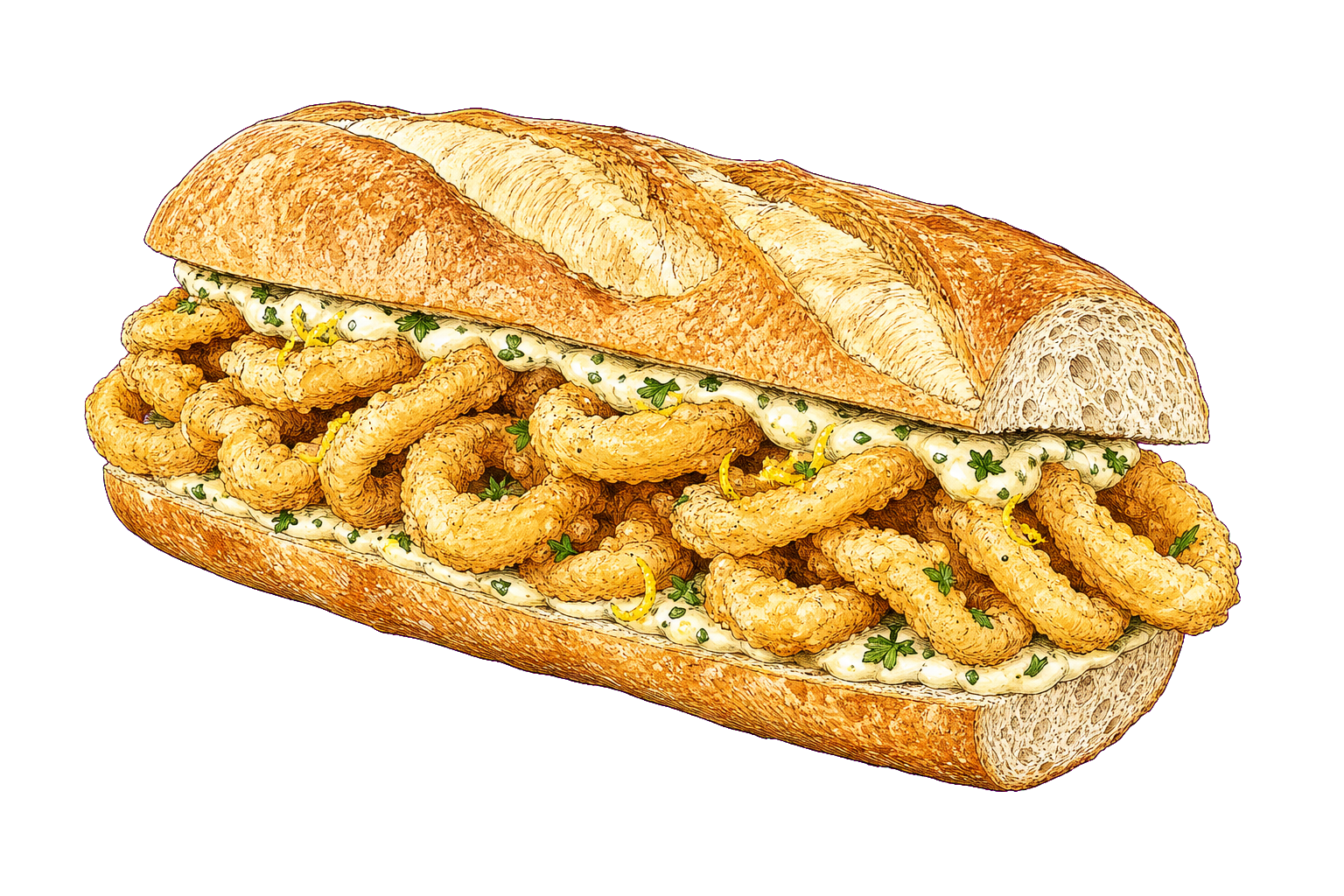
What it is: a Spanish sandwich built on crusty bread, often filled simply with jamon, tortilla, calamari, cheese, or other regional ingredients.
Why it stands out: bocadillo is bread-forward and direct. It often succeeds through restraint rather than sauce-heavy layering.
Cultural note: fillings vary by region and occasion, from casual snacks to bar food and lunch-counter staples.
Sandwich Lovers note: the bread should do visual work here: crust, crumb, and a clear filling line.
10. Francesinha - Portugal

What it is: a Porto-style hot sandwich with layers of meat, cheese melted over the top, and a rich beer-tomato sauce.
Why it stands out: it stretches the definition of a sandwich toward a knife-and-fork meal. Sauce becomes the environment, not just a condiment.
Cultural note: francesinha is closely associated with Porto and is often discussed as one of Portugal's most iconic comfort sandwiches.
Sandwich Lovers note: it is not a clean cutout-style sandwich, but it belongs in the atlas because it shows how far the format can travel.
How to Explore These Sandwiches on Sandwich Lovers
Several of these already connect to Sandwich Lovers recipes, including Banh Mi, Cuban Sandwich, Muffuletta Sandwich, and Katsu Sando. The rest are strong candidates for future atlas entries and illustrated recipes.
When exploring the site, look at the bread first. The bread often tells you whether the sandwich is meant to be pressed, carried, sliced cleanly, eaten open-faced, or served as a hot plated meal.
Closing
The best sandwiches are both practical and specific. They solve a local problem beautifully: what bread is available, what fillings make sense, what flavors cut through richness, and how someone wants to eat on that day.
That is the heart of the World Sandwich Atlas: not just collecting names, but learning how each sandwich thinks.