
Sandwich Basics - Lunch Packing Guide
How to Pack Sandwiches for Lunch Without Losing Texture
A practical guide to packing sandwiches that stay crisp, safe, and satisfying from morning to lunch.
A packed sandwich has to solve two problems at once: it needs to stay safe until lunch, and it needs to keep the bread, filling, sauce, and fresh layers from turning into one soft stack.
The best packed sandwiches are not just assembled earlier. They are designed for waiting. Bread has to resist moisture, tender fillings have to stay chilled, crisp ingredients need air and dryness, and sauces need a place where they add flavor without flooding the crumb.
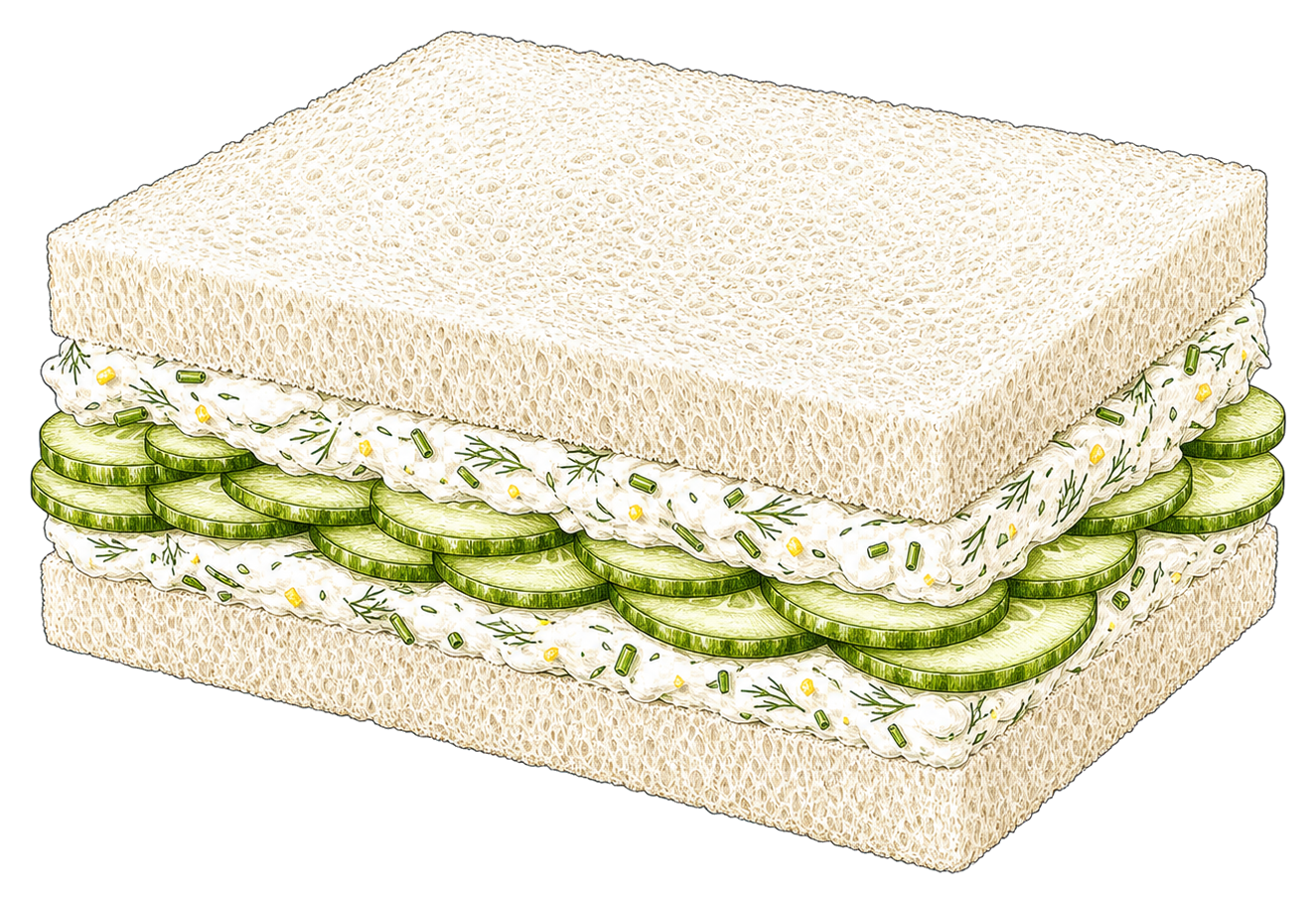
Think of lunch packing as sandwich architecture under time pressure. A BLT, egg salad sandwich, chicken Caesar wrap, and cucumber tea sandwich all need different builds, but the same principles apply: control water, control temperature, control compression, and keep the bite clean.
Start With Food Safety, Then Texture
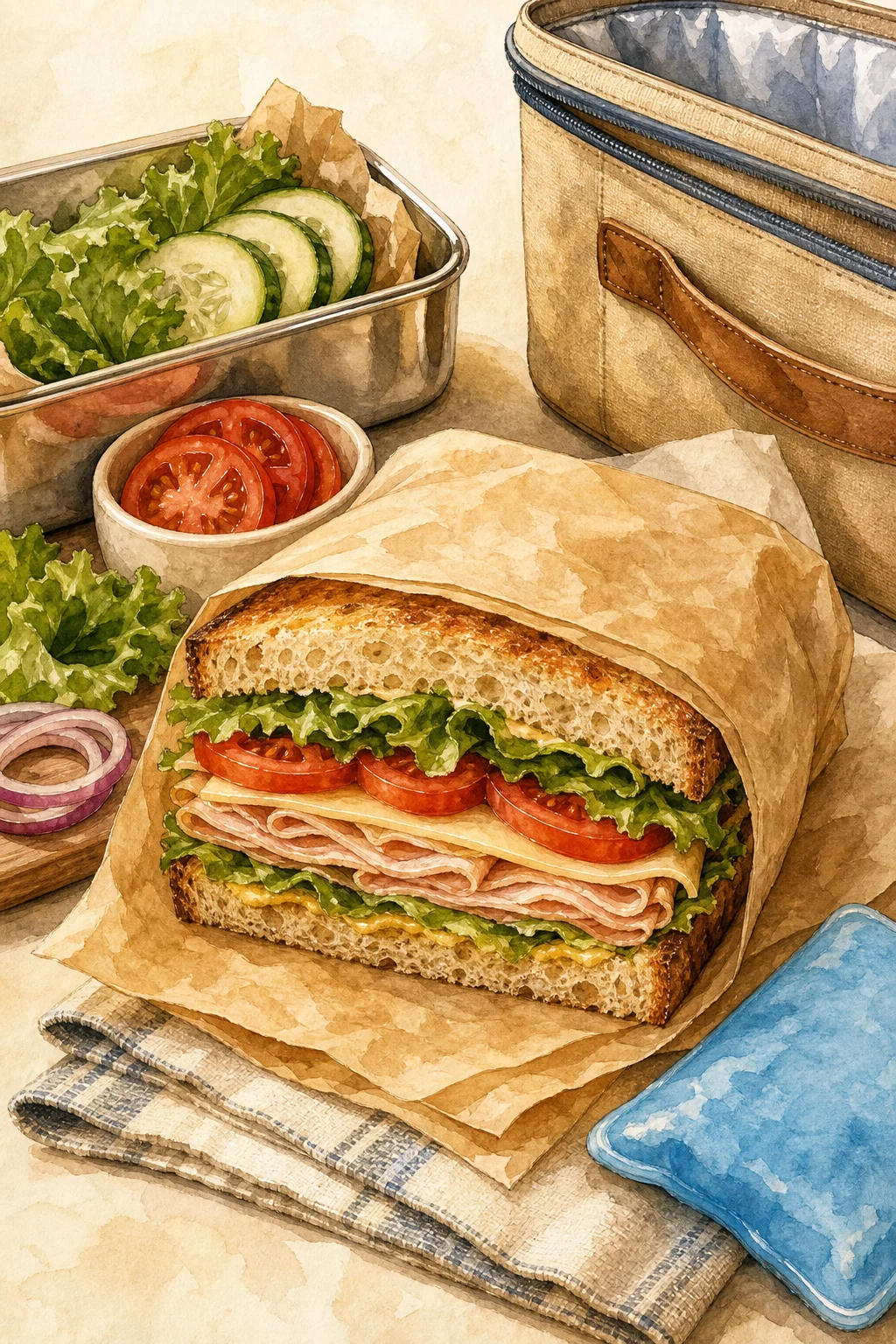
Perishable sandwiches made with meat, poultry, eggs, seafood, dairy, or mayonnaise-based fillings should stay cold until lunch. USDA food safety guidance recommends insulated lunch containers and cold sources such as frozen gel packs or frozen drink boxes for bag lunches that will not go straight into a refrigerator.
That safety step also helps texture. A chilled egg salad or smoked salmon bagel keeps its structure better than one warming slowly in a backpack. Keep the sandwich refrigerated until you leave, pack it with a cold source, and avoid letting it sit in a warm car or sunny desk.
If the sandwich will be eaten soon and does not contain perishable fillings, you can focus more on bread texture. If it contains tuna salad, egg salad, chicken salad, deli meat, soft cheese, or smoked fish, temperature control is not optional.
Choose Bread That Matches the Wait
Soft white bread is pleasant for tea sandwiches, egg salad, and classic lunchbox sandwiches, but it needs help. Use a thin, even spread of butter, mayonnaise, cream cheese, hummus, or another thick spread to create a buffer before wet ingredients touch the crumb.
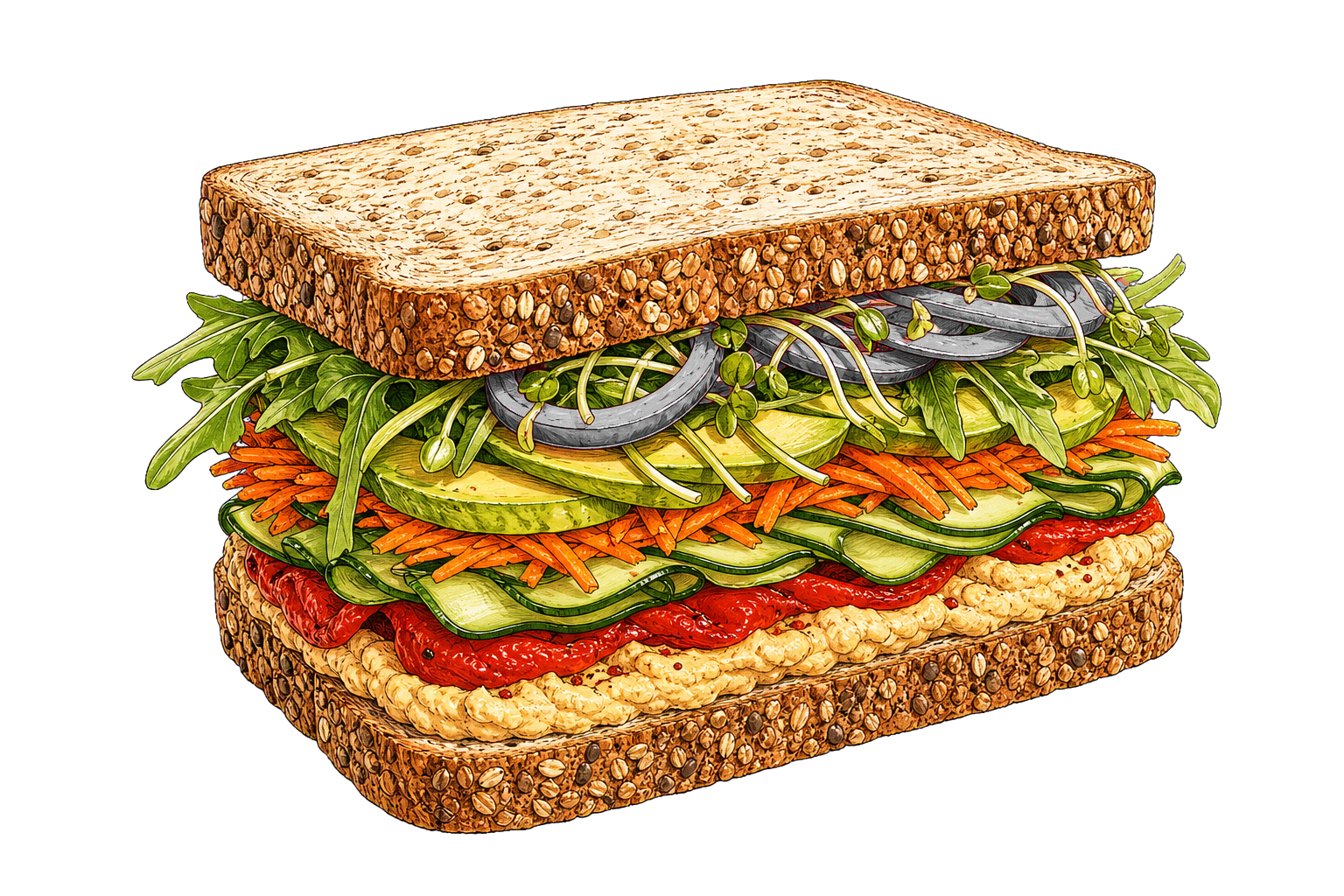
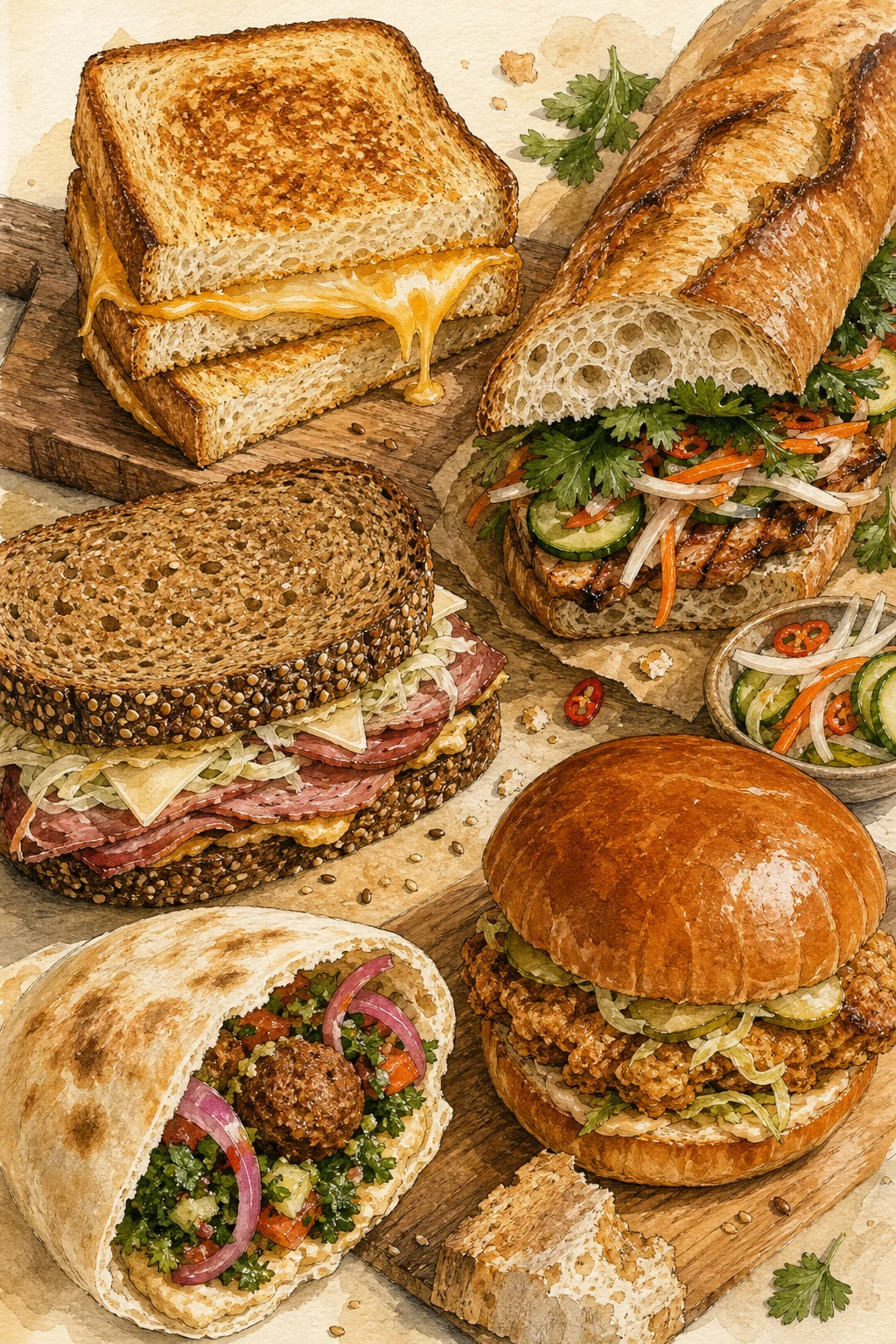
Crusty bread, bagels, pita, tortillas, and dense multigrain slices usually travel better because they resist collapse. They are especially useful for juicy fillings, sliced vegetables, and dressed greens. The tradeoff is chew: if the bread is too tough, the filling may squeeze out when bitten.
Toast can help, but it is not a magic fix. Toast only the inner face when you want a moisture barrier without making the outside dry. Fully toasted bread can soften in a sealed wrap, so let hot toast cool before packing.
Build Barriers Around Wet Ingredients
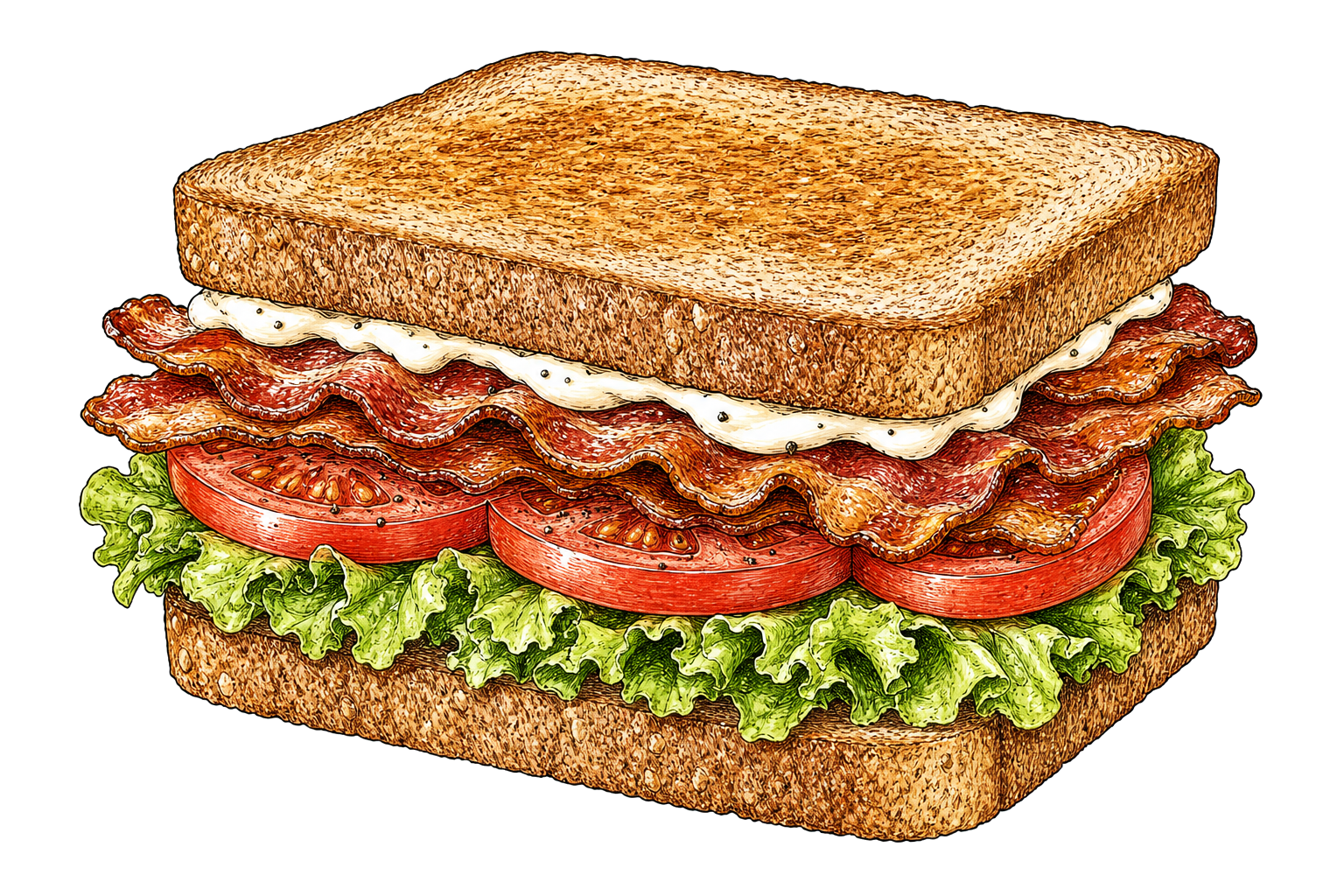
Moisture moves toward bread. That is the simple reason packed sandwiches fail. Tomato slices, pickles, dressed greens, tuna salad, egg salad, and cucumbers all need either drying, separation, or a barrier layer.
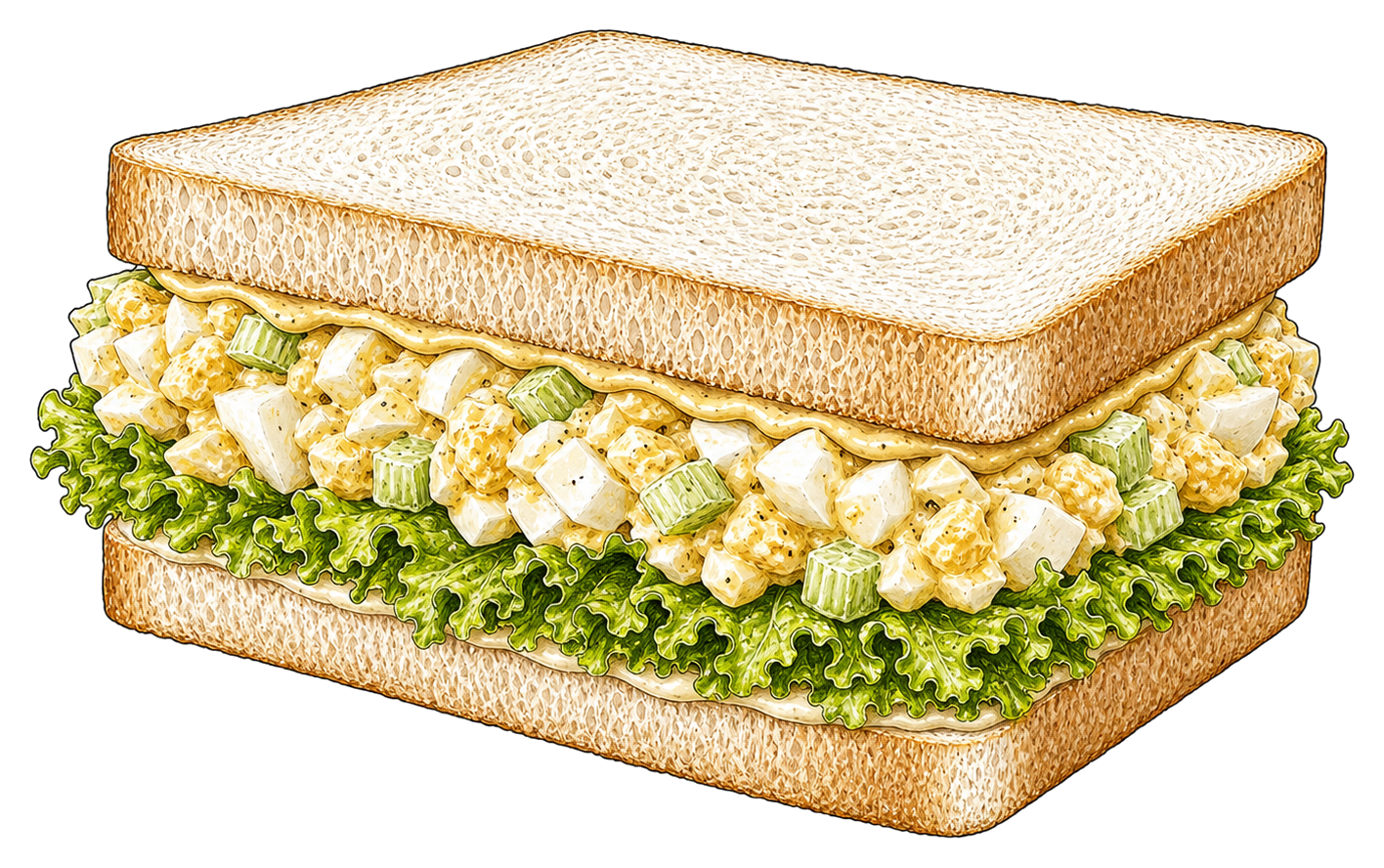
Blot tomatoes and cucumbers with a towel. Drain pickles well. Dry lettuce completely after washing. For egg salad or tuna salad, make the filling thick enough to mound on a spoon rather than slide off it.
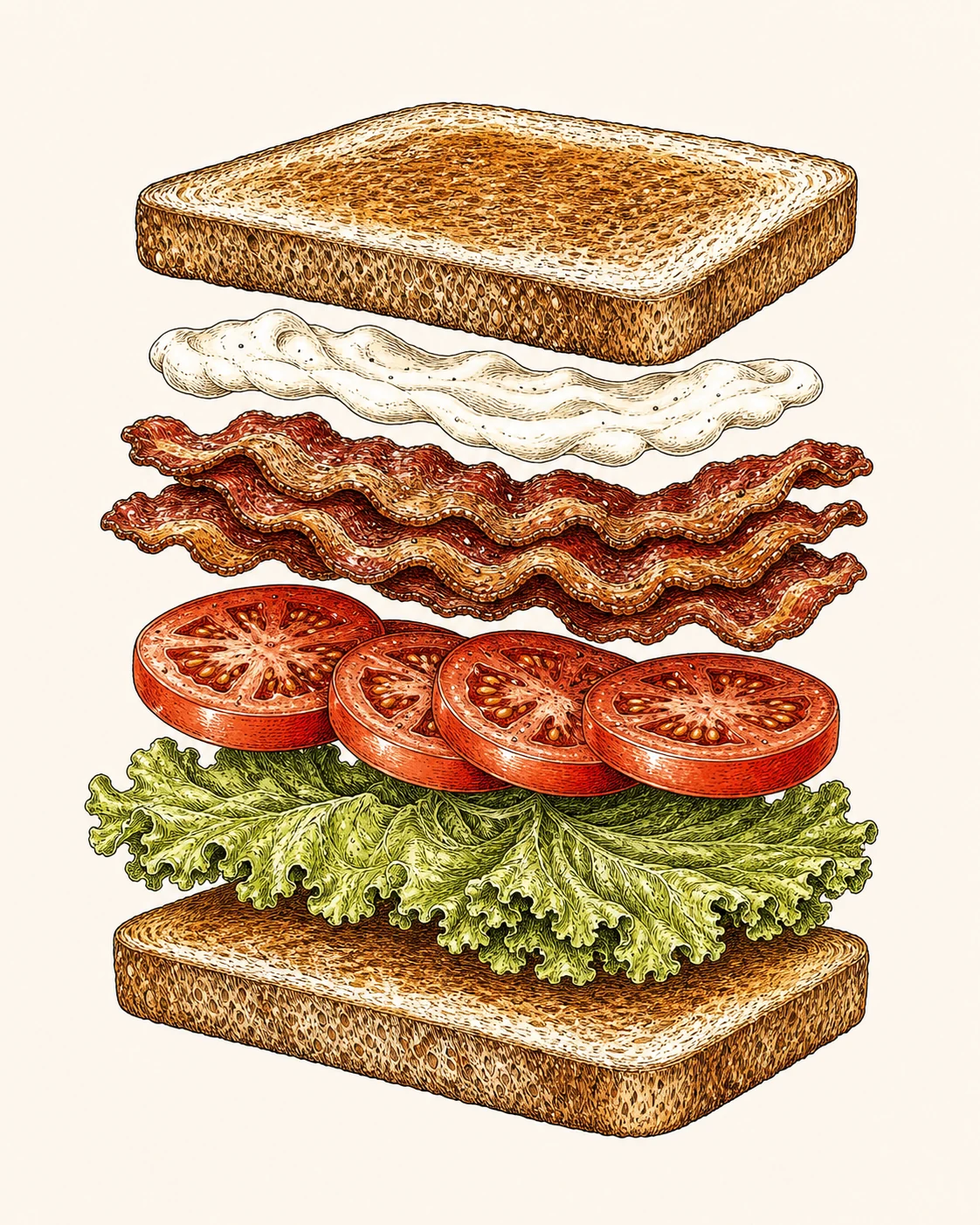
Then layer strategically. Bread, spread, lettuce or cheese, filling, dry vegetables, another barrier, and bread is more stable than bread, tomato, filling, sauce, bread. Lettuce and cheese are not only flavor layers; they are structural membranes.
Pack Sauces With Restraint
Sauce is usually the first thing to overdo in a packed sandwich. A thin edge-to-edge spread seasons the bread and helps the sandwich feel complete. A thick puddle creates slip, leaks into the wrap, and softens the cut edge.
For creamy salads, mix the dressing into the filling and keep the filling slightly firm. For deli sandwiches, spread sauce on the bread in a very thin layer, then use cheese, lettuce, or meat as the next layer. For wraps, toss dressing lightly with the filling rather than pouring extra down the center.
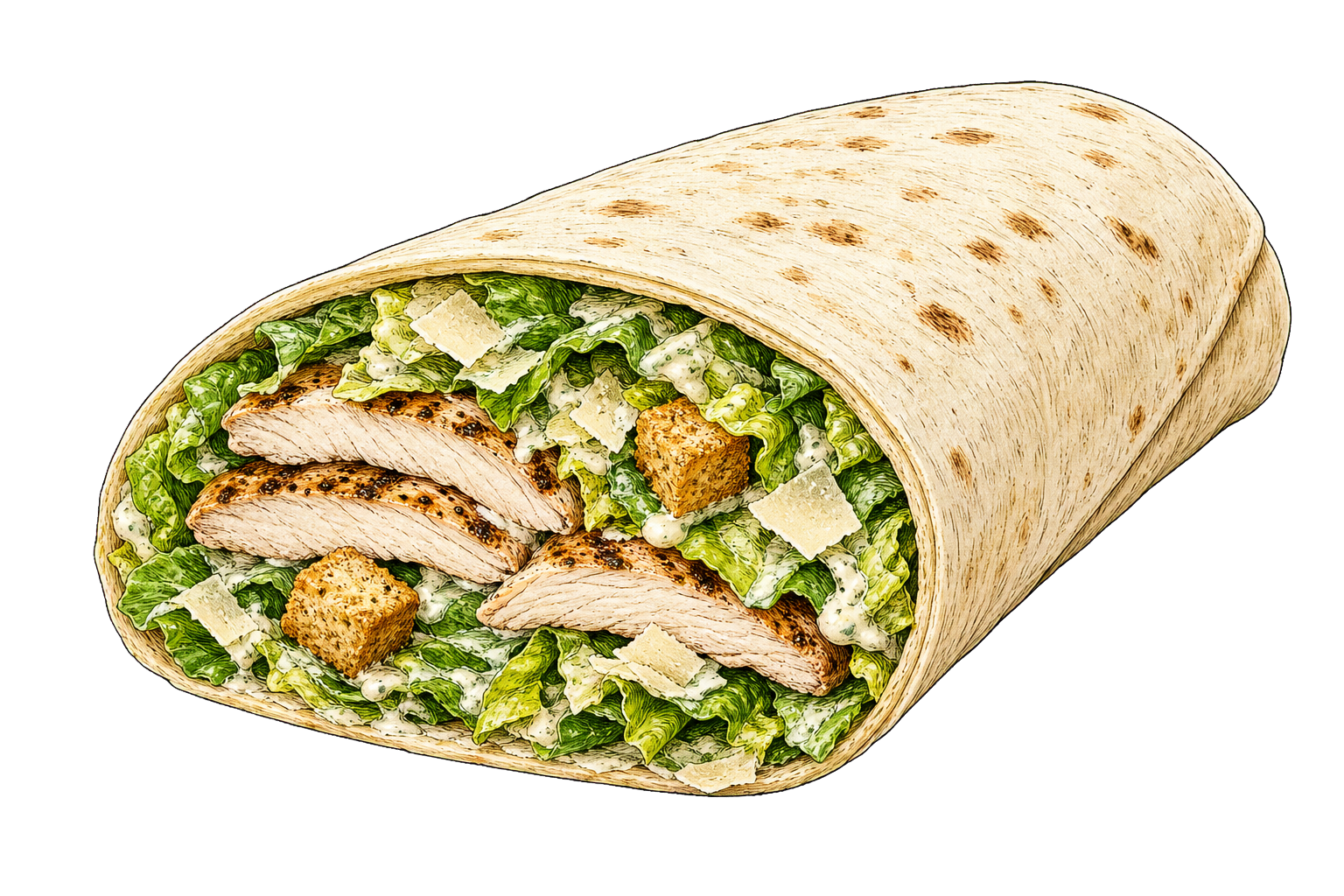
If a sauce is important but loose, pack it separately. That works for a chicken Caesar wrap, falafel pita, roast beef sandwich, or any sandwich where the final spoonful of sauce is better added at the table than absorbed by bread for four hours.
Wrap for Support, Not Steam
Parchment paper, wax paper, foil, reusable wraps, and snug containers all have a place. The goal is gentle compression: enough pressure to keep layers aligned, not so much that tomato juice squeezes into the bread.
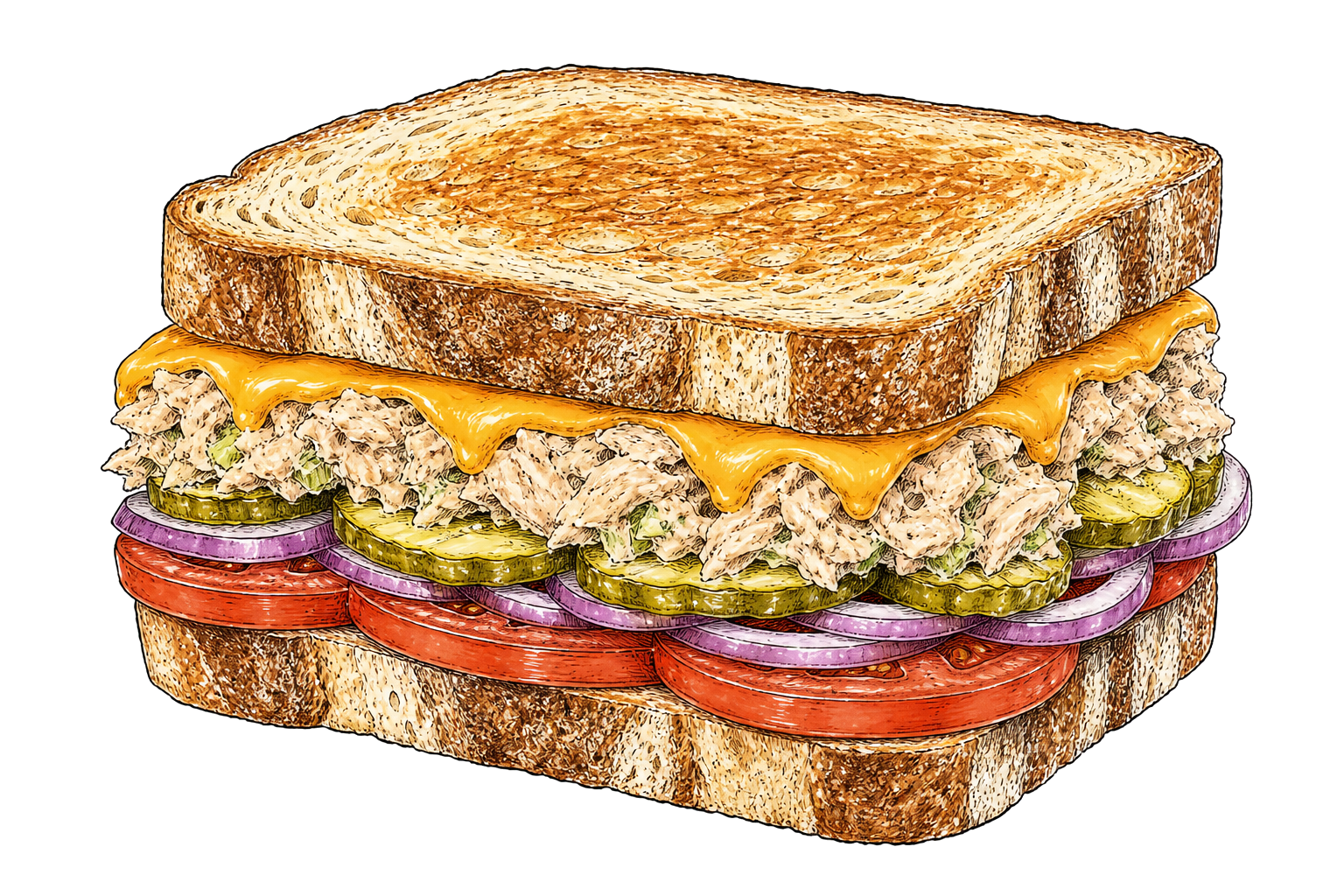
Wrap the sandwich tightly after it is cool. Hot fillings should rest first, because trapped steam softens bread faster than almost anything else. A tuna melt packed hot into foil will lose its crisp crust; if it is meant to be packed, cool it slightly and accept that it will eat more like a warm deli sandwich than a skillet-crisp melt.
For cut sandwiches, wrap the whole sandwich before slicing when possible, then cut through the wrapped package. The paper supports the layers and helps the cross-section stay neat.
Best Sandwich Styles for Lunch Packing
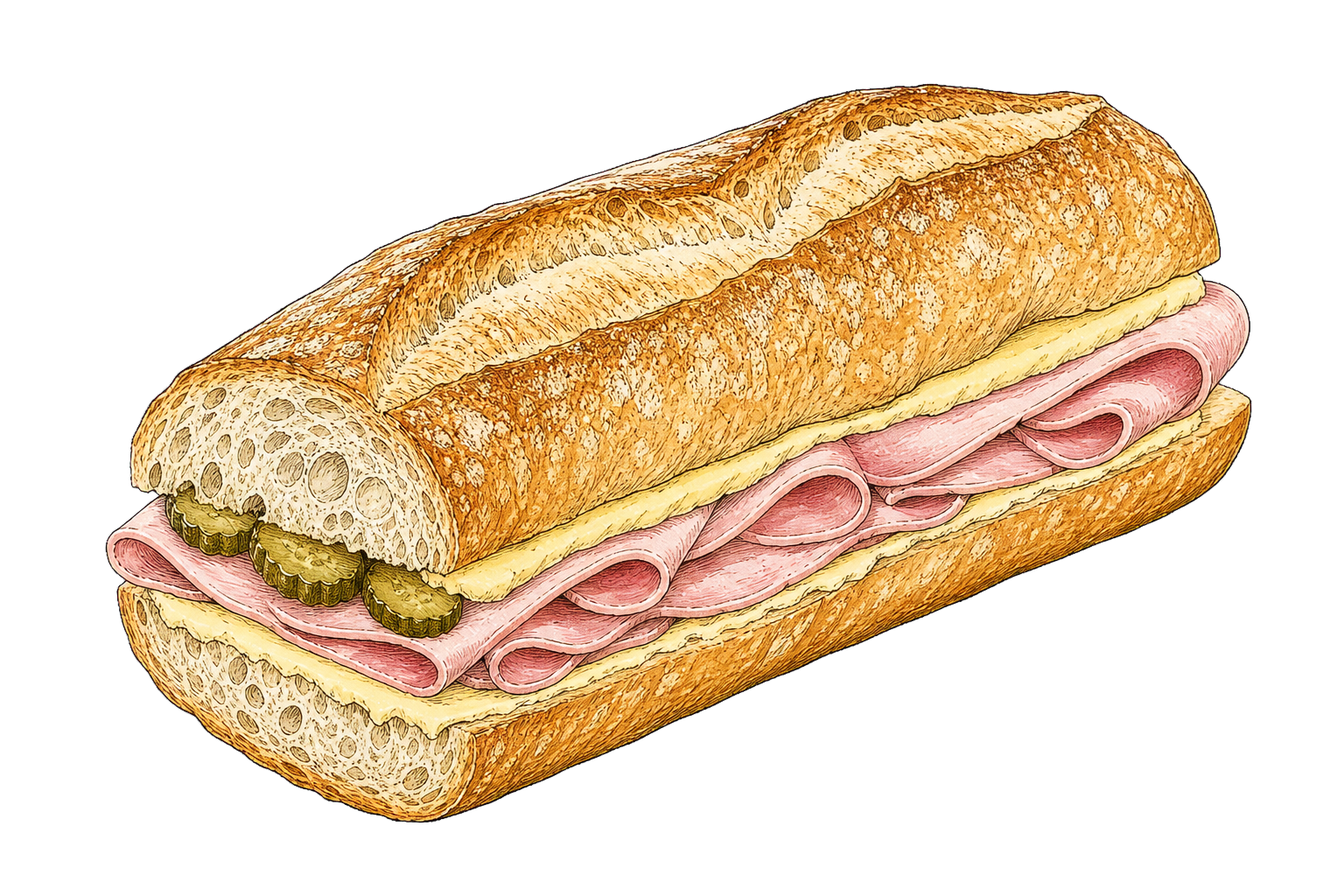
Cold deli sandwiches pack well when the greens are dry and the sauce is controlled. A BLT needs dry lettuce and blotted tomato. A roast beef sandwich can handle horseradish cream if the roll is sturdy and the tomato is not touching bare bread.
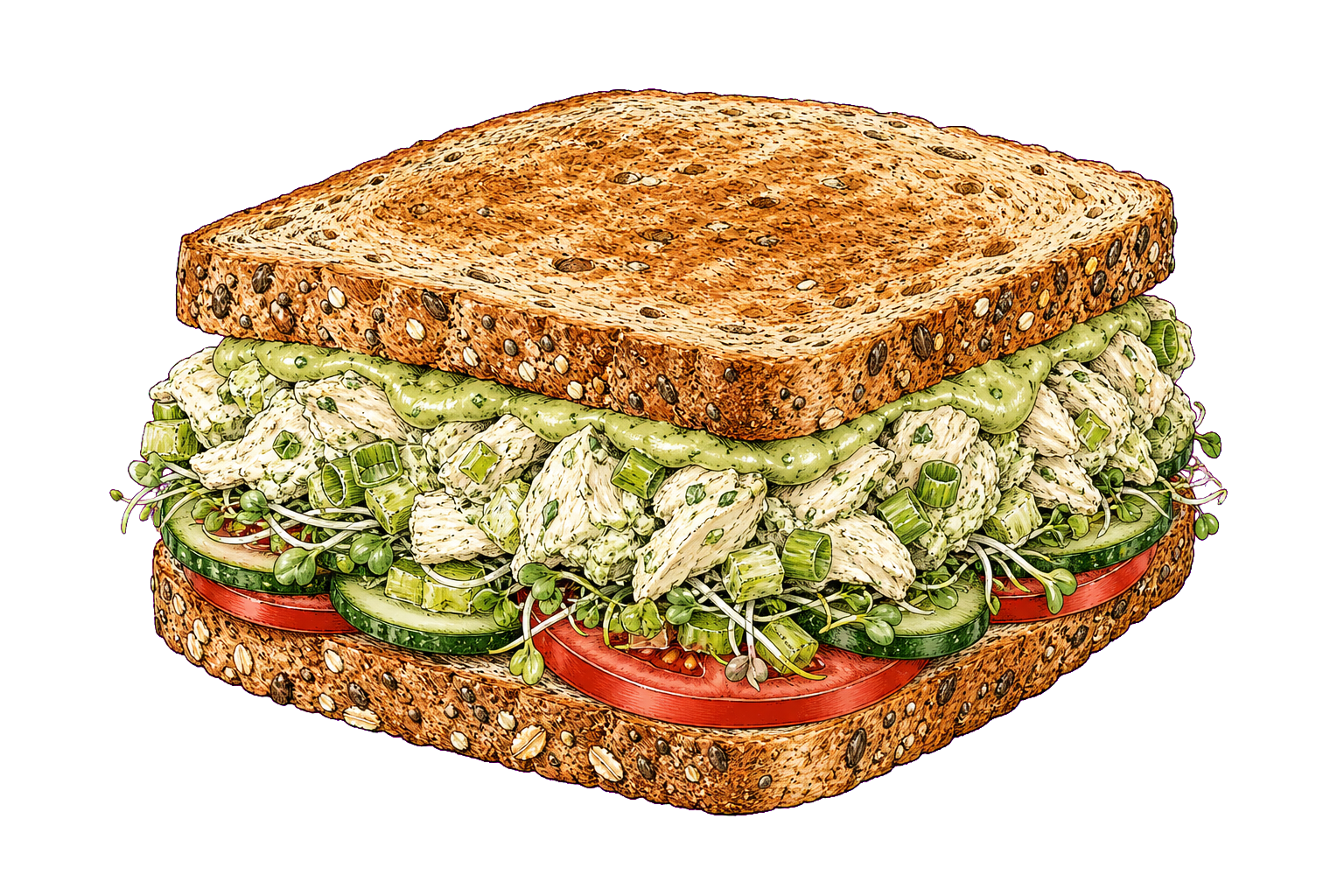
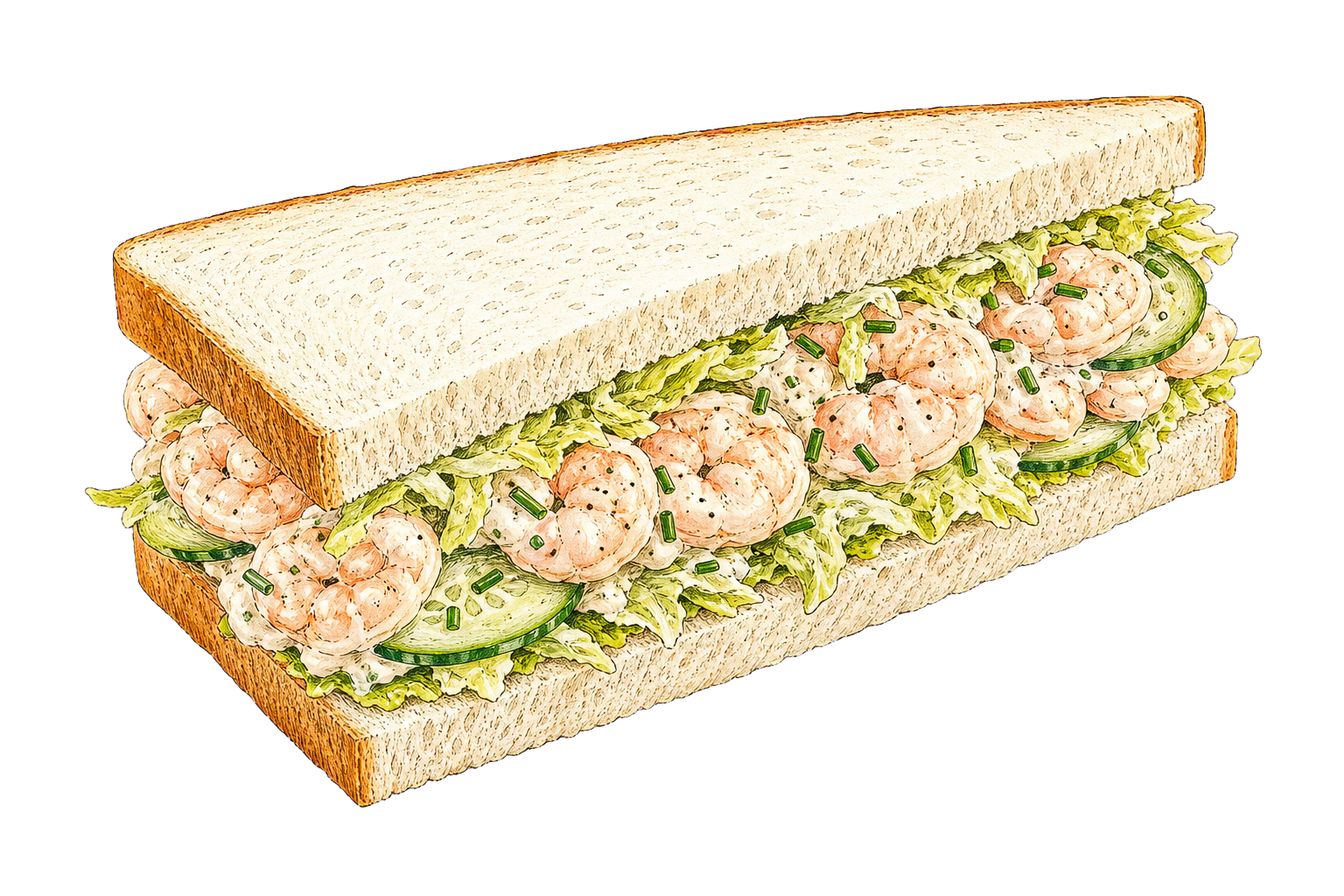
Creamy salad sandwiches can be excellent lunchbox food, but they need thick filling and cold storage. Egg salad, tuna salad, green goddess chicken salad, and Coronation chicken should be chilled, spooned onto a barrier, and wrapped just firmly enough to hold shape.
Wraps and pita sandwiches travel well when the filling is not overdressed. Put the driest layer against the bread or tortilla, keep the wettest sauce in the center, and let chopped ingredients settle for a minute before slicing.
Closing
A good packed sandwich is deliberate. The bread is chosen for the filling, wet ingredients are dried or contained, sauce is spread thinly, and perishable fillings stay cold until lunch.
When those details line up, the sandwich still tastes like a sandwich at noon: bread with structure, filling with flavor, fresh layers with snap, and no soggy surprise at the bottom of the lunch bag.