
Recipe Support - Tuna Melt Guide
How to Make a Better Tuna Melt
A focused guide to tuna salad texture, cheese choice, tomato control, bread, and skillet timing.
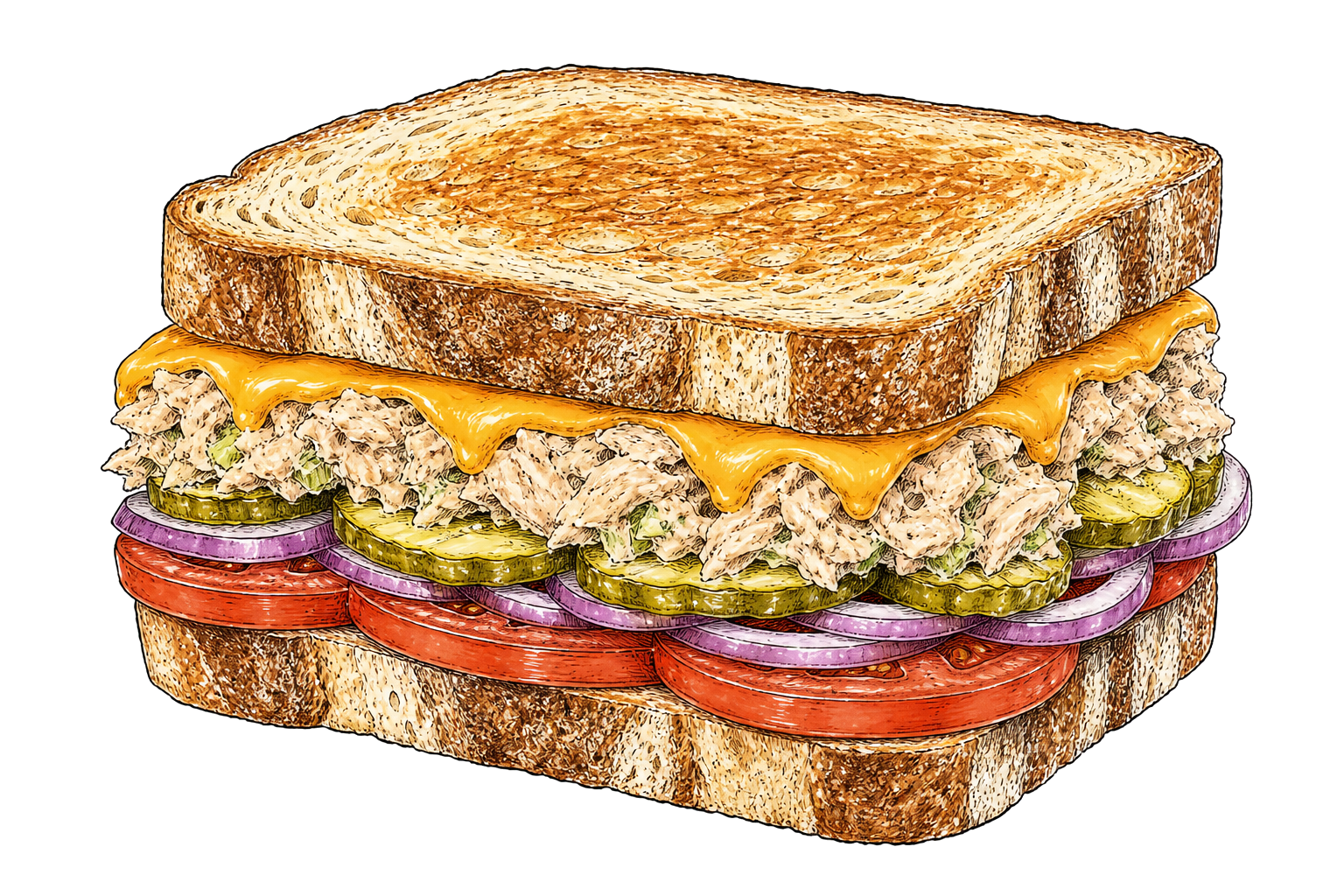
A better tuna melt is not just hotter tuna with cheese. It is a balance of creamy salad, crisp bread, melted cheese, and enough acidity to keep the sandwich lively.
The tuna melt has a small margin for error. Too much mayonnaise makes the filling leak, too little makes it dry, the wrong cheese refuses to melt, and soft bread can become heavy before the outside browns.
A good tuna melt should taste creamy, savory, crisp, and a little bright. The filling should stay inside the bread, the cheese should bind the sandwich, and the crust should have enough texture to make the warm center feel satisfying.
Start With Tuna Salad That Is Creamy, Not Wet
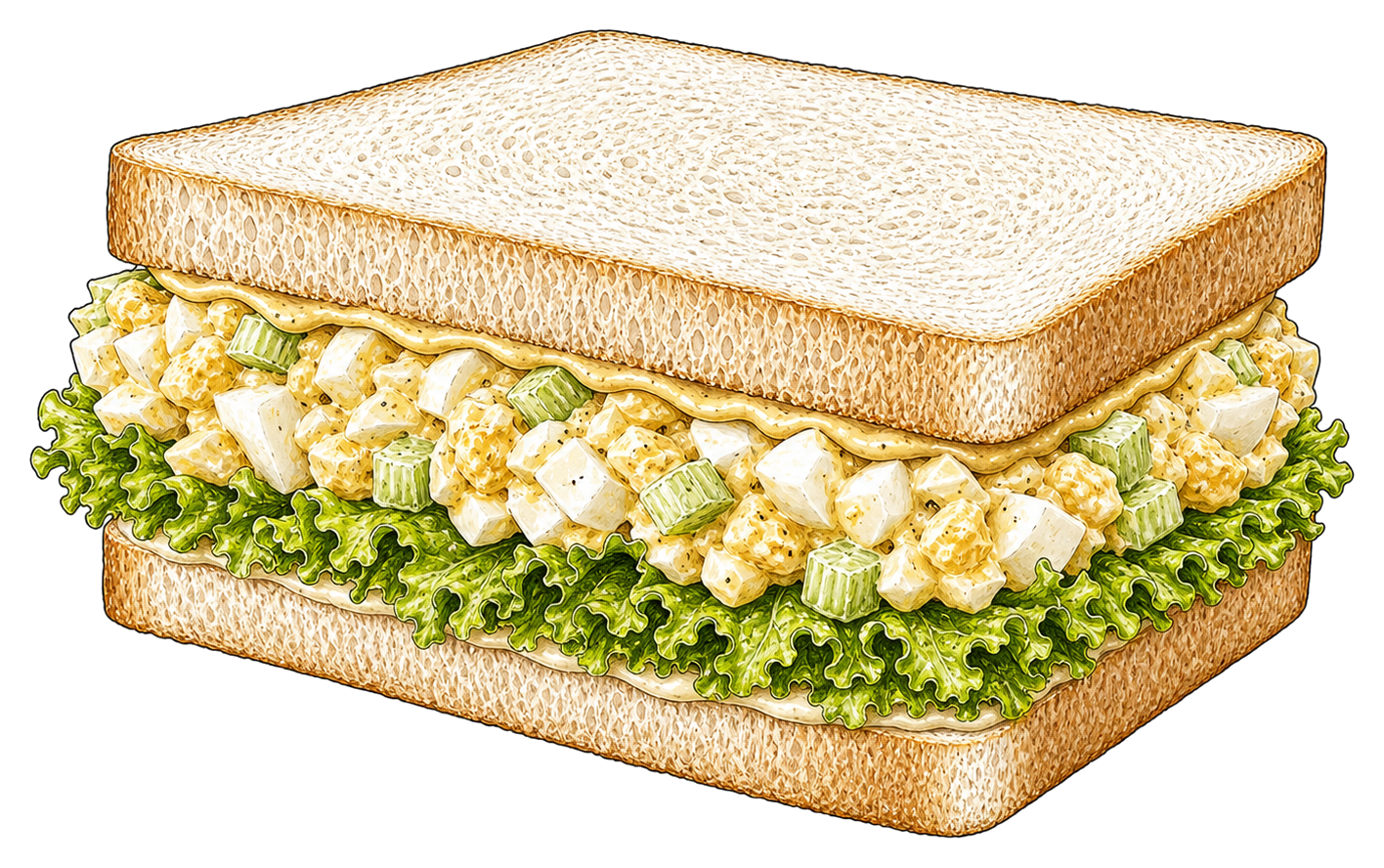
Drain the tuna well before mixing. This matters more than the brand or style of tuna because loose water turns into steam in the skillet and softens the bread.
Mayonnaise should bind the tuna, not pool at the bottom of the bowl. Add mustard, pickle, celery, onion, lemon, or pepper for brightness, but chop everything finely enough that the salad spreads evenly.
Taste the tuna salad before it goes into the sandwich. Once the cheese and bread are involved, it is harder to fix bland filling.
Choose Cheese for Melt and Flavor
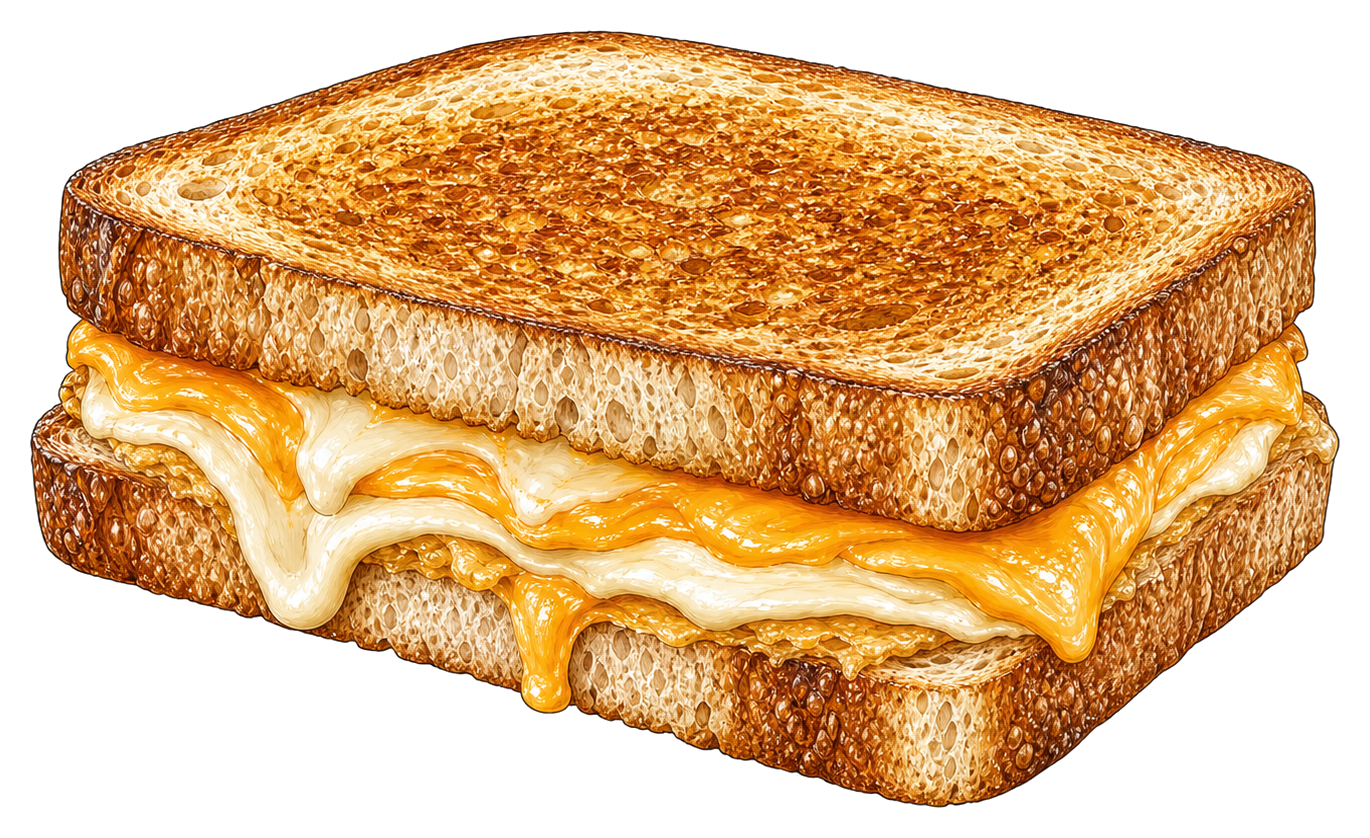
Cheddar is classic because it brings sharpness and melts well when sliced thinly. American cheese melts even more smoothly. Swiss, provolone, and mozzarella can work, but they may need extra seasoning or a sharper sauce.
Put cheese on both sides of the tuna if the sandwich is large. The cheese becomes a warm binder and helps protect the bread from the salad.
Avoid thick blocks of cheese unless the bread is also thick. The outside can burn before the cheese has time to melt.
Control Tomato, Pickles, and Onion
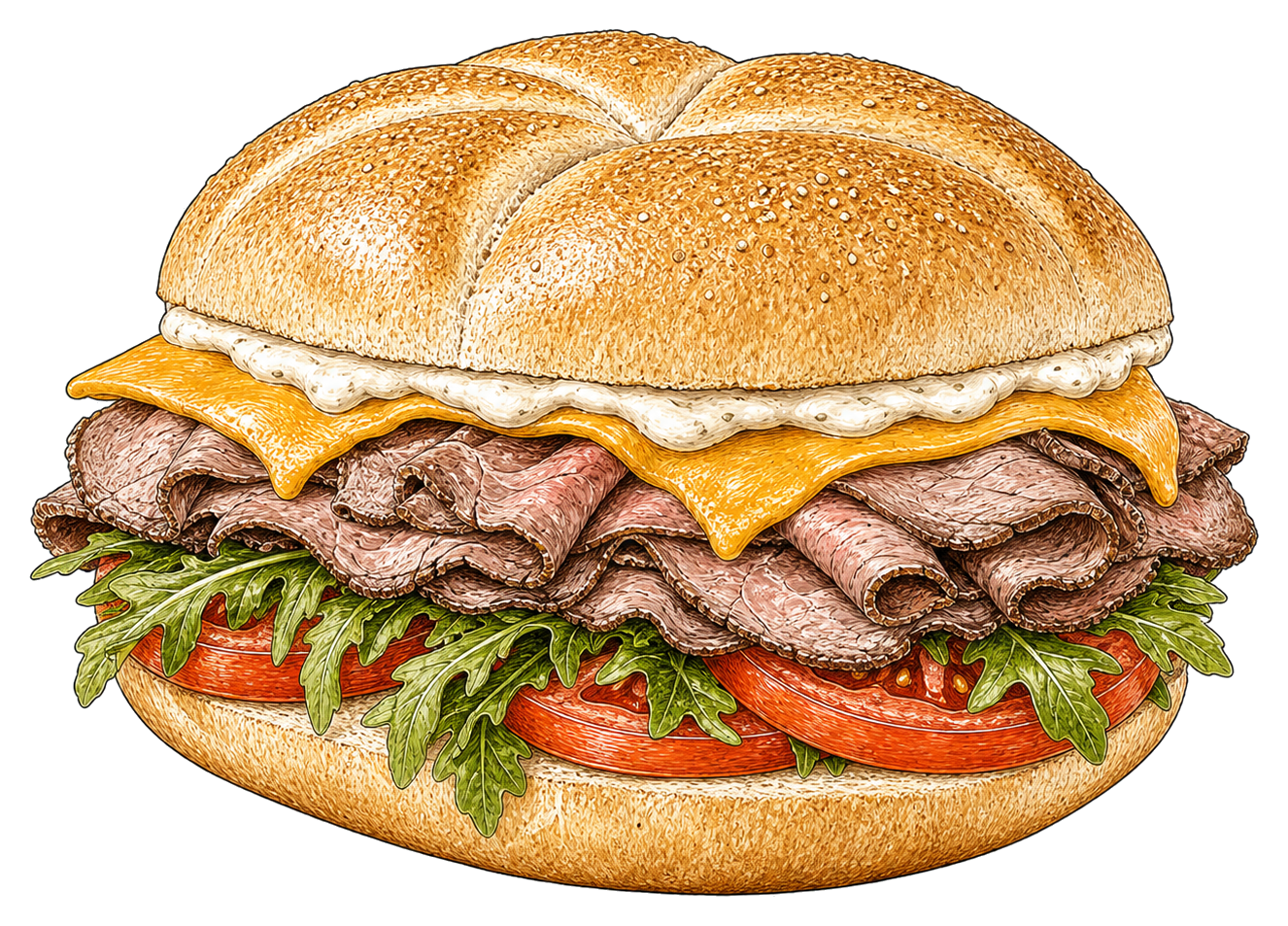
Tomato is excellent in a tuna melt, but it needs control. Slice it thin, salt it lightly if needed, and blot it before assembly. A wet tomato slice can undo careful bread and cheese choices.
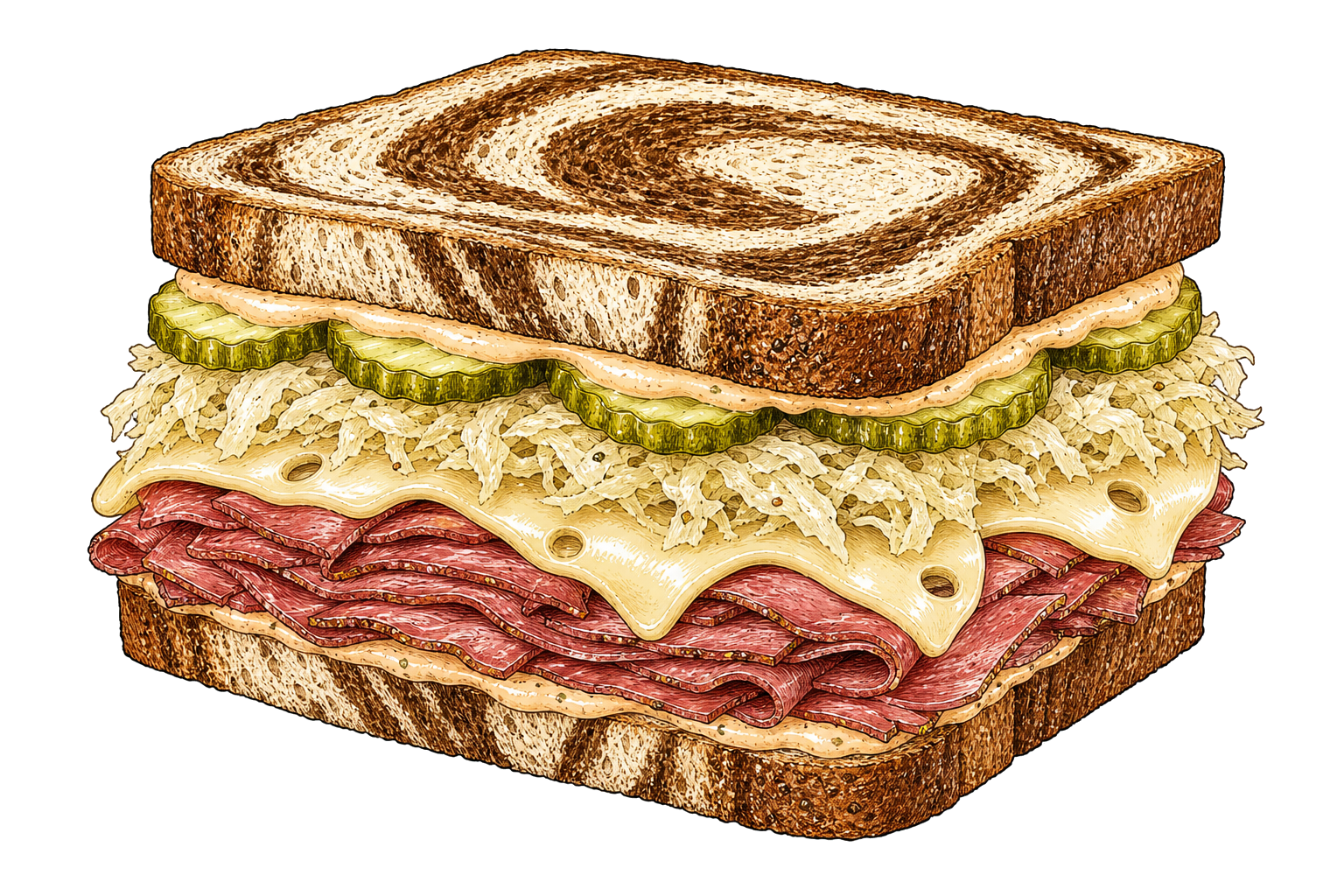
Pickles and red onion add the acidity that keeps tuna and cheese from tasting flat. Chop them finely or use thin slices so they season the sandwich instead of pulling out in one bite.
If you want a cleaner melt, put tomato and pickles inside the cheese barrier rather than directly against bread.
Use Moderate Heat
A tuna melt needs enough heat to crisp bread and melt cheese, but not so much that the bread browns before the center warms. Medium-low to medium heat is usually safer than high heat.
Butter or mayonnaise on the outside can both brown well. Butter tastes classic; mayonnaise browns evenly. Either way, spread it thinly and cook patiently.
If the cheese is slow to melt, cover the pan for a short moment. Do not trap steam for too long or the crust will soften.
Closing
A better tuna melt is about moisture discipline. Drain the tuna, bind the salad, use cheese as structure, control juicy additions, and cook slowly enough for the center and crust to finish together.
When those details line up, the tuna melt tastes like a deliberate hot sandwich instead of tuna salad trapped in toast.