
Ingredient Guides - Sauce Guide
Best Sauces for Sandwiches: Flavor, Moisture, and Balance
How to choose sandwich sauces by richness, acidity, heat, herbs, texture, and placement.
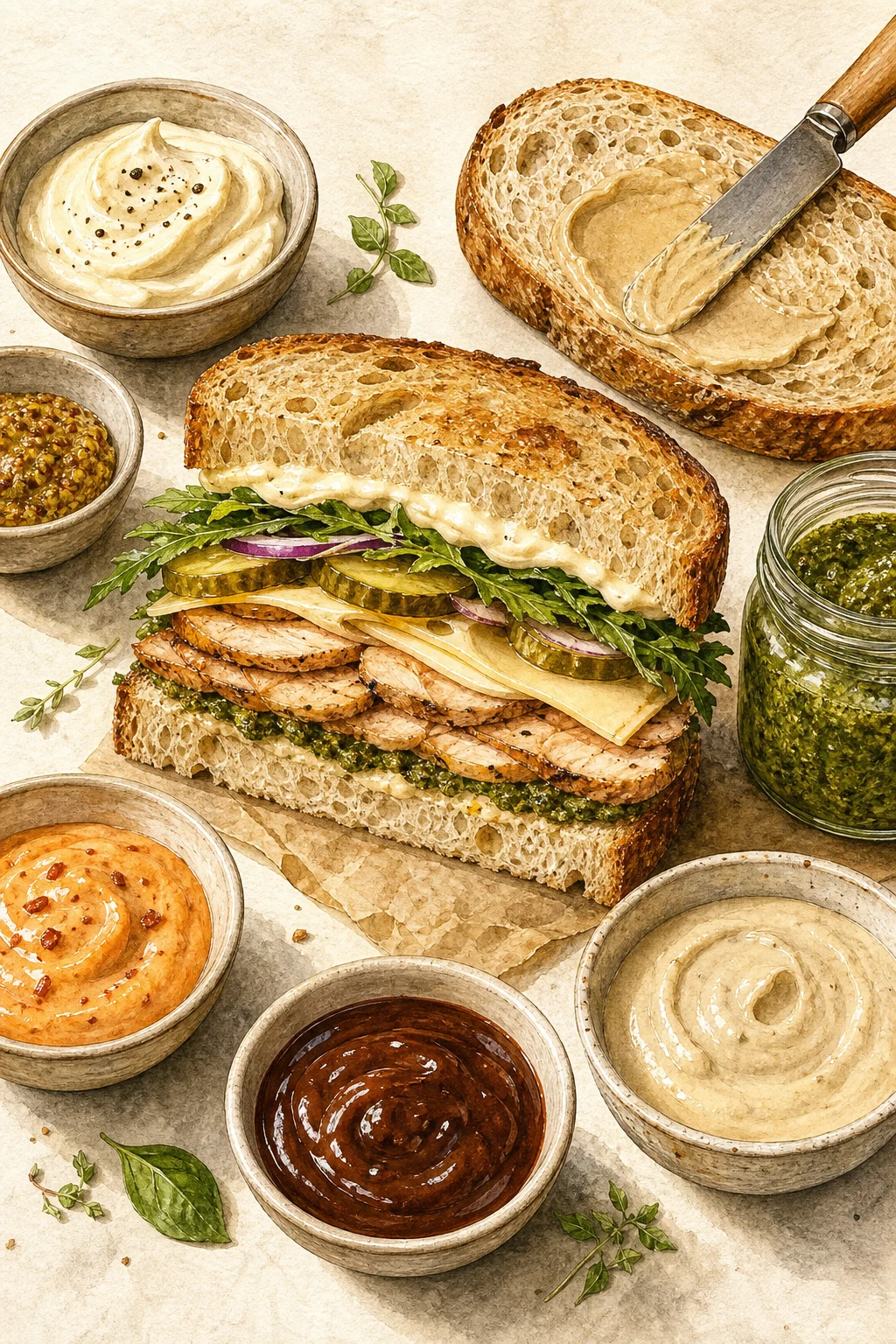
The best sauce for a sandwich is rarely just the strongest sauce. It is the sauce that seasons the bread, controls moisture, supports the filling, and makes each bite feel complete.
Sauce is where a sandwich often finds its voice. Bread gives shape, fillings give substance, and sauce decides whether the bite feels rich, sharp, smoky, herbal, creamy, spicy, or bright.
But sauce is also where sandwiches lose control. Too much sauce makes bread collapse. A sauce that is too thin runs out the cut edge. A sauce that is too sweet can flatten savory fillings. The right choice depends on what the sandwich needs, not on which condiment sounds exciting on its own.
Think About the Job Before the Flavor
Every sandwich sauce should do at least one job clearly. It can add fat, acid, heat, sweetness, herb aroma, salt, moisture, or a protective layer. Problems start when one sauce tries to do everything at once.
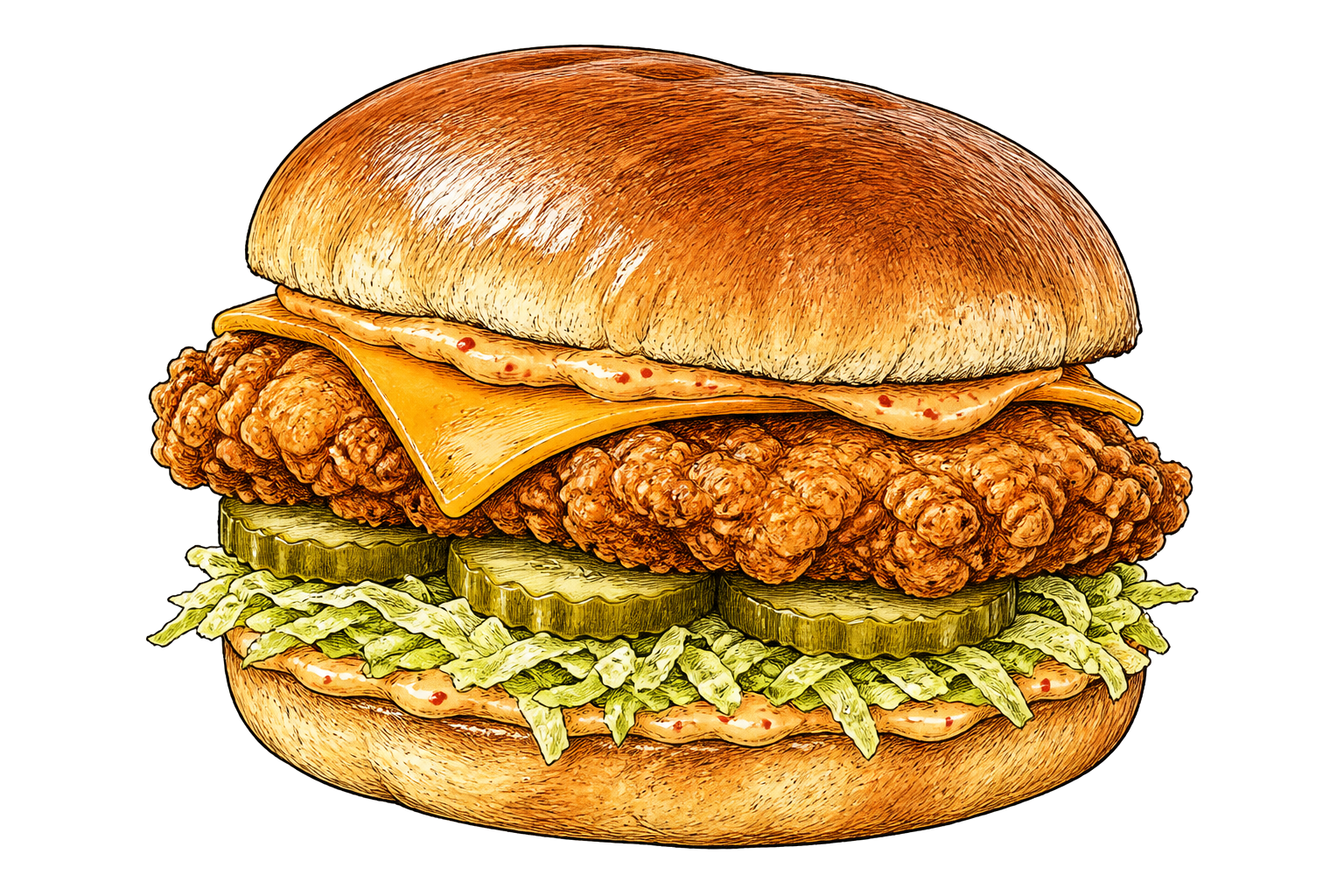
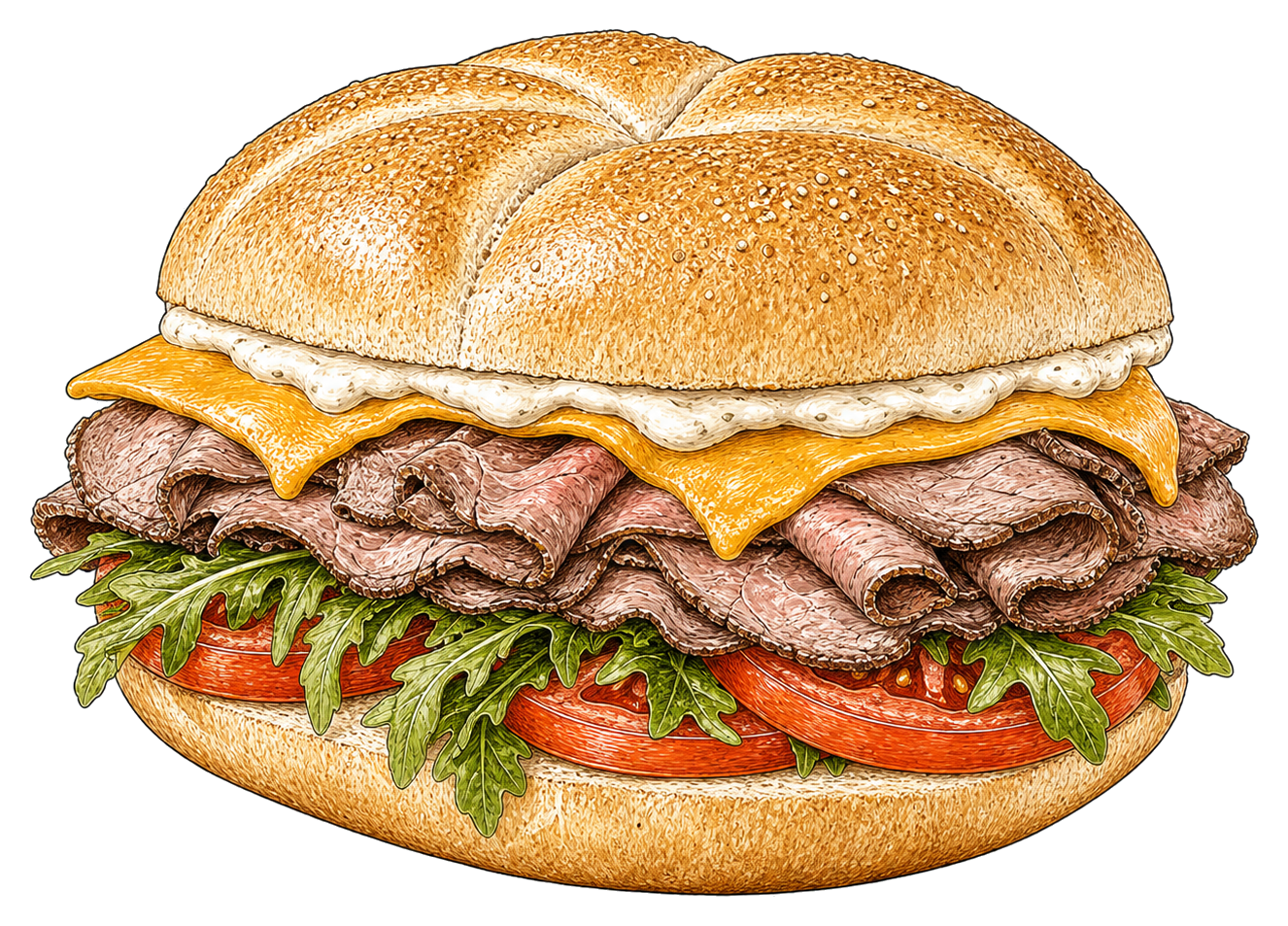
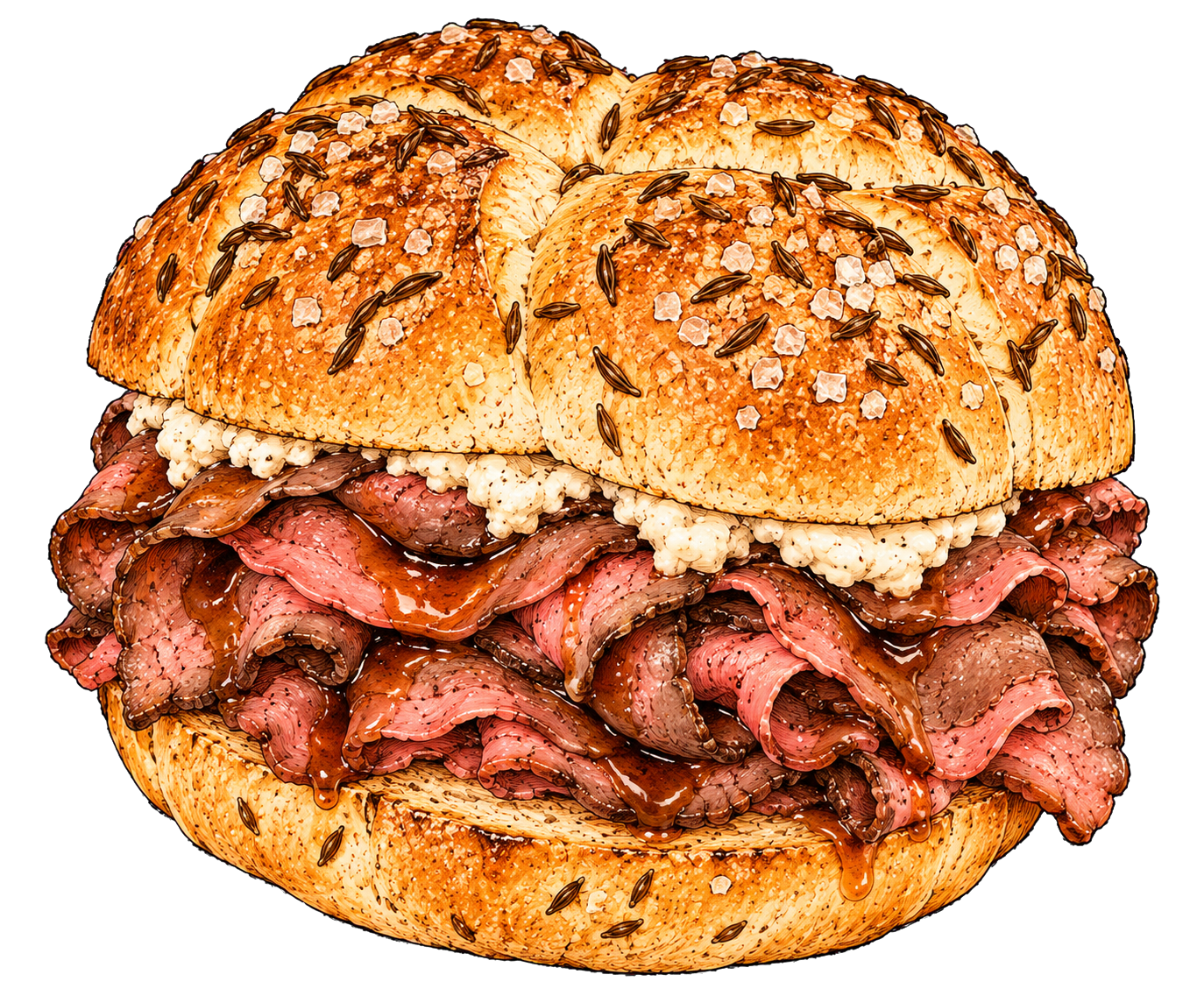
A fried chicken sandwich usually needs heat, creaminess, and acid, so spicy mayo, pickle-bright ranch, or a thick hot honey mustard can make sense. A roast beef sandwich needs sharpness against meat, so horseradish cream or mustard is more useful than a sweet sauce. Falafel needs moisture and nutty depth, which is why tahini or yogurt sauces work so naturally.
Start by asking what is missing from the filling. If the sandwich is fatty, add acid. If it is dry, add creaminess. If it is mild, add mustard, herbs, chili, or pickles. If it is already juicy, choose a thicker sauce and use less.
Creamy Sauces: Mayonnaise, Aioli, Ranch, and Yogurt
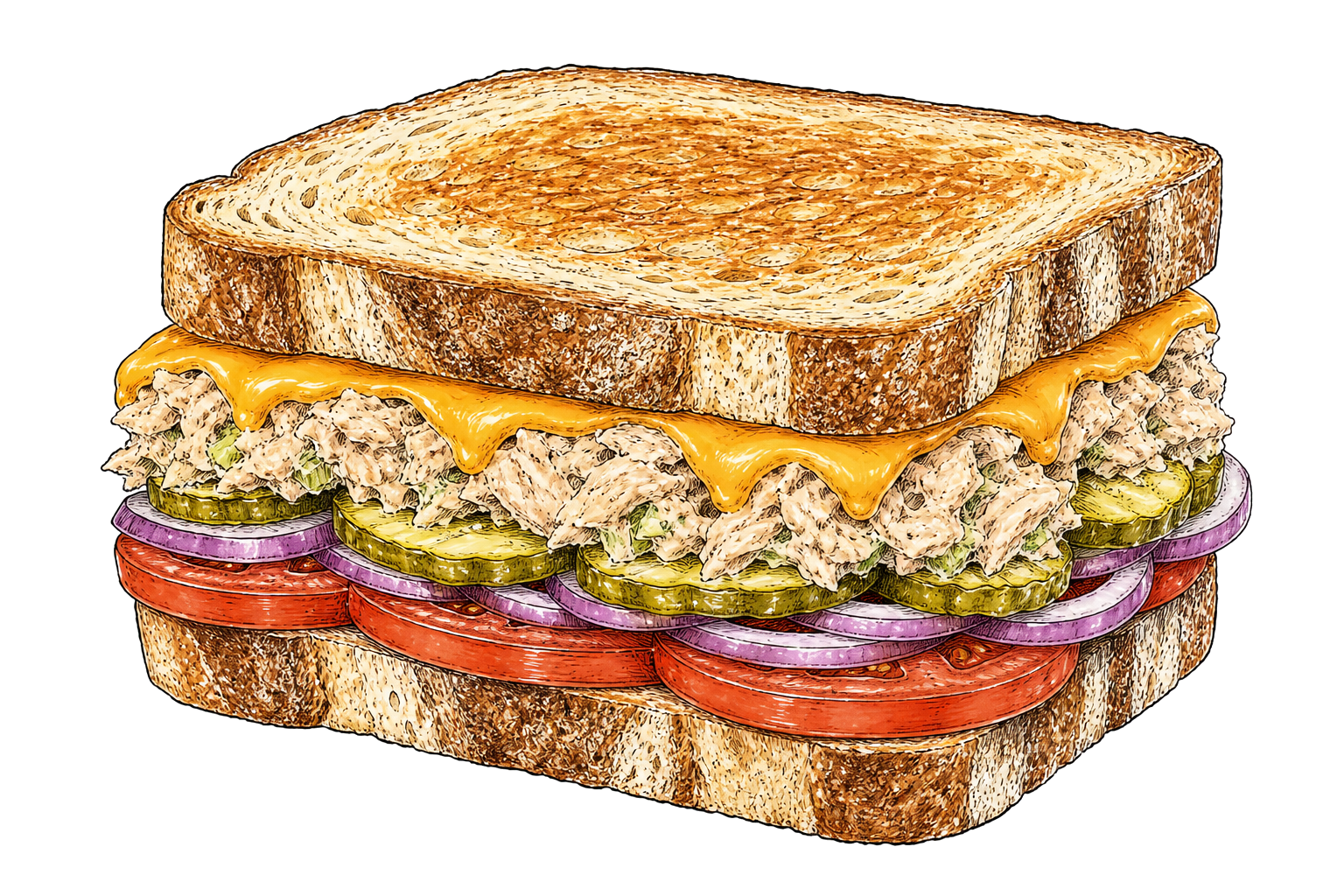
Mayonnaise-style sauces are useful because they bring fat, salt, and a smooth texture that spreads evenly. As an emulsion, mayonnaise holds oil and water together, which is why it can feel creamy instead of greasy when balanced well.
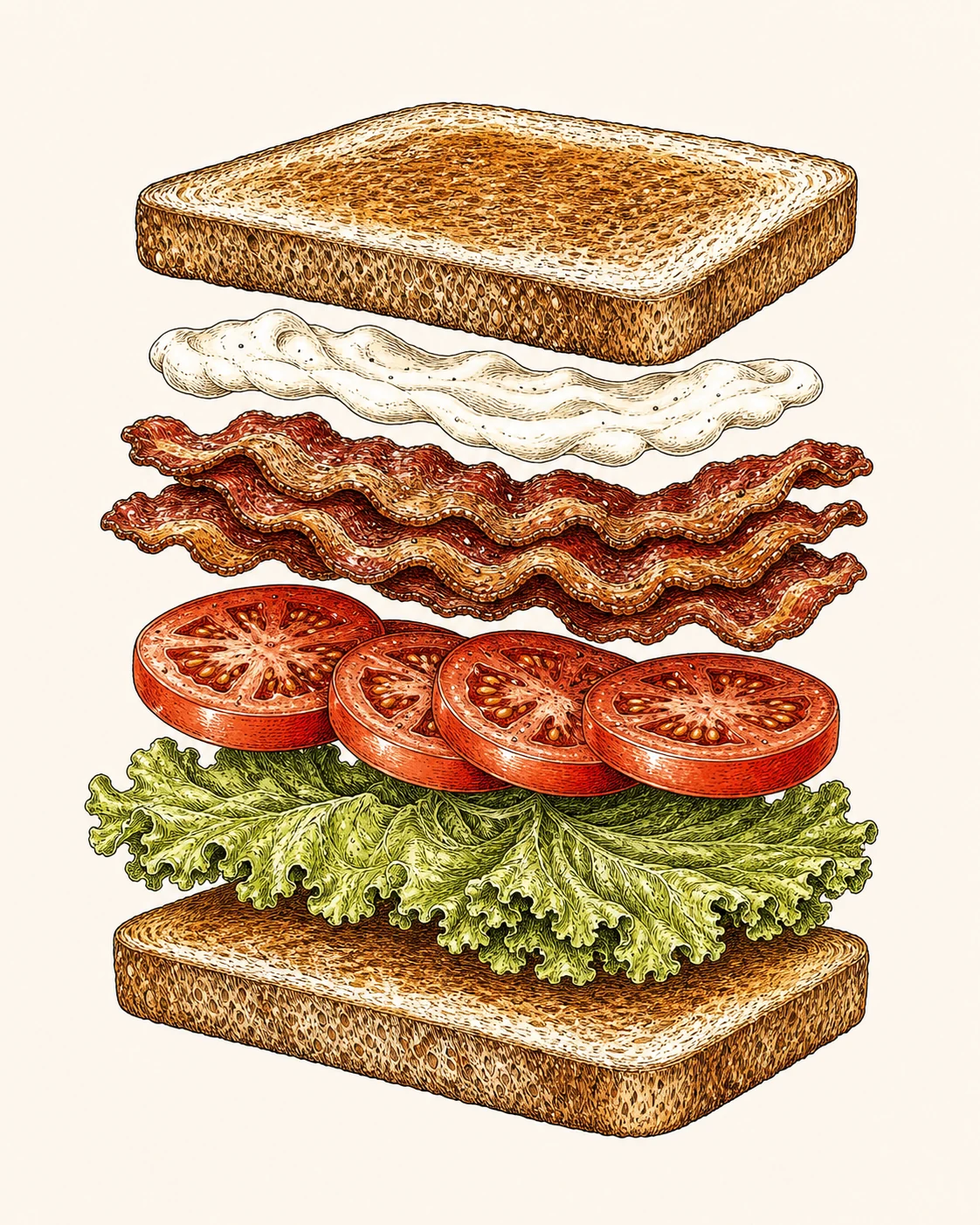
Use creamy sauces when a sandwich needs richness or a moisture barrier: BLTs, tuna melts, egg salad, club sandwiches, crispy chicken sandwiches, and breakfast sandwiches all benefit from a thin, even layer.
The risk is heaviness. If the filling already contains cheese, fried meat, avocado, or buttery bread, sharpen the creamy sauce with lemon, vinegar, mustard, herbs, pickles, hot sauce, or black pepper. A small adjustment can make the sauce taste intentional instead of flat.
Mustard and Acid: The Fastest Way to Lift Richness
Mustard is one of the most efficient sandwich sauces because it brings acid, heat, aroma, and salt without much weight. Yellow mustard is direct and bright. Dijon feels sharper and more refined. Whole-grain mustard adds texture and a rounded bite.
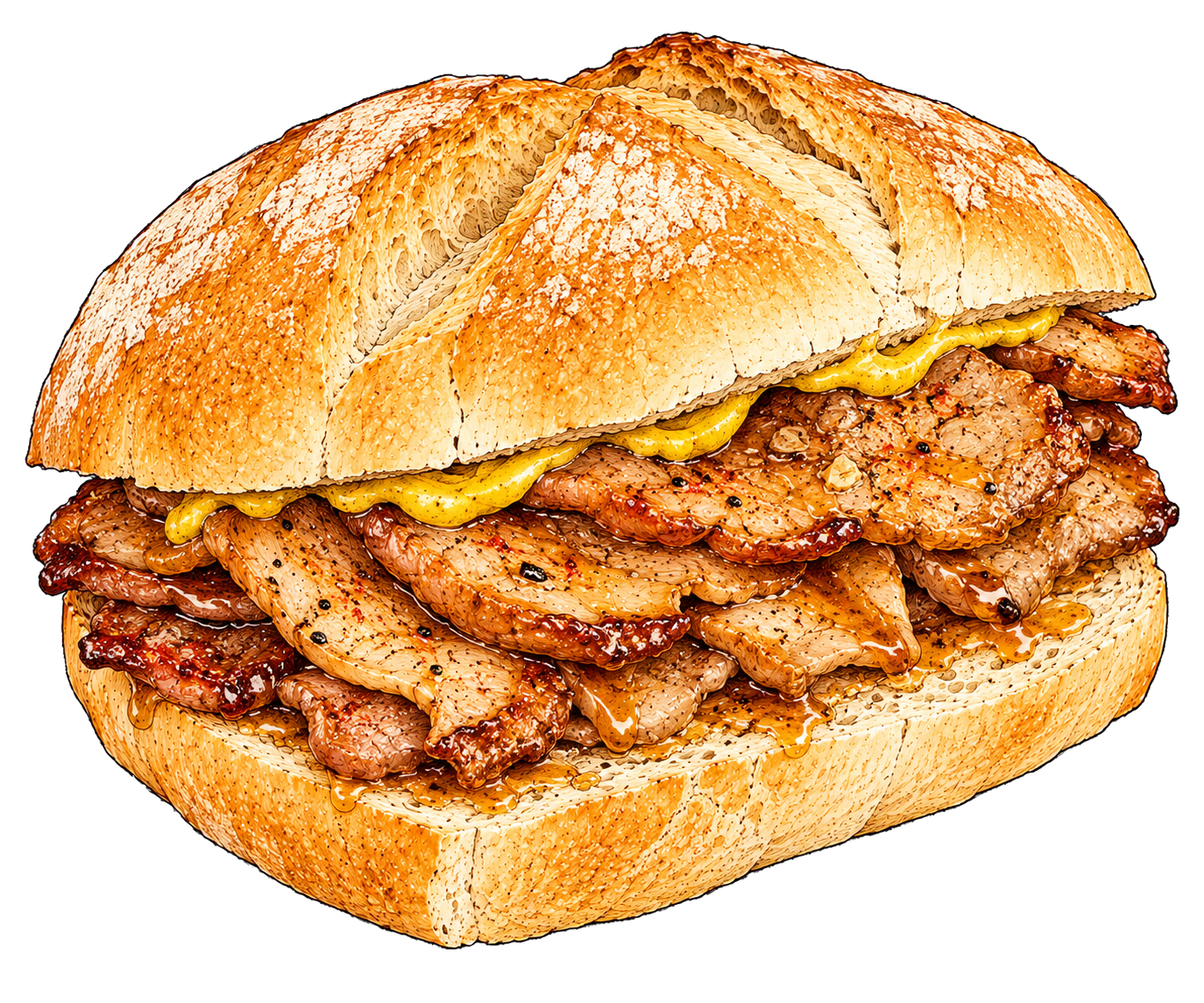
Use mustard with ham, roast pork, beef, Swiss cheese, cheddar, sausages, and pressed sandwiches. It is especially useful when the sandwich is hot, because heat can make fat taste heavier and mustard keeps the bite moving.
Acid does not have to come only from mustard. Pickle brine, vinegar, lemon juice, capers, sauerkraut, and chutney can all play a sauce role when used carefully. The point is not to make the sandwich sour; it is to give richness a clean edge.
Green Sauces: Pesto, Herb Mayo, Chimichurri, and Green Goddess
Green sauces add aroma first. Basil pesto, parsley chimichurri, dill yogurt, cilantro chutney, and green goddess dressing all make a sandwich feel fresher before they add weight.
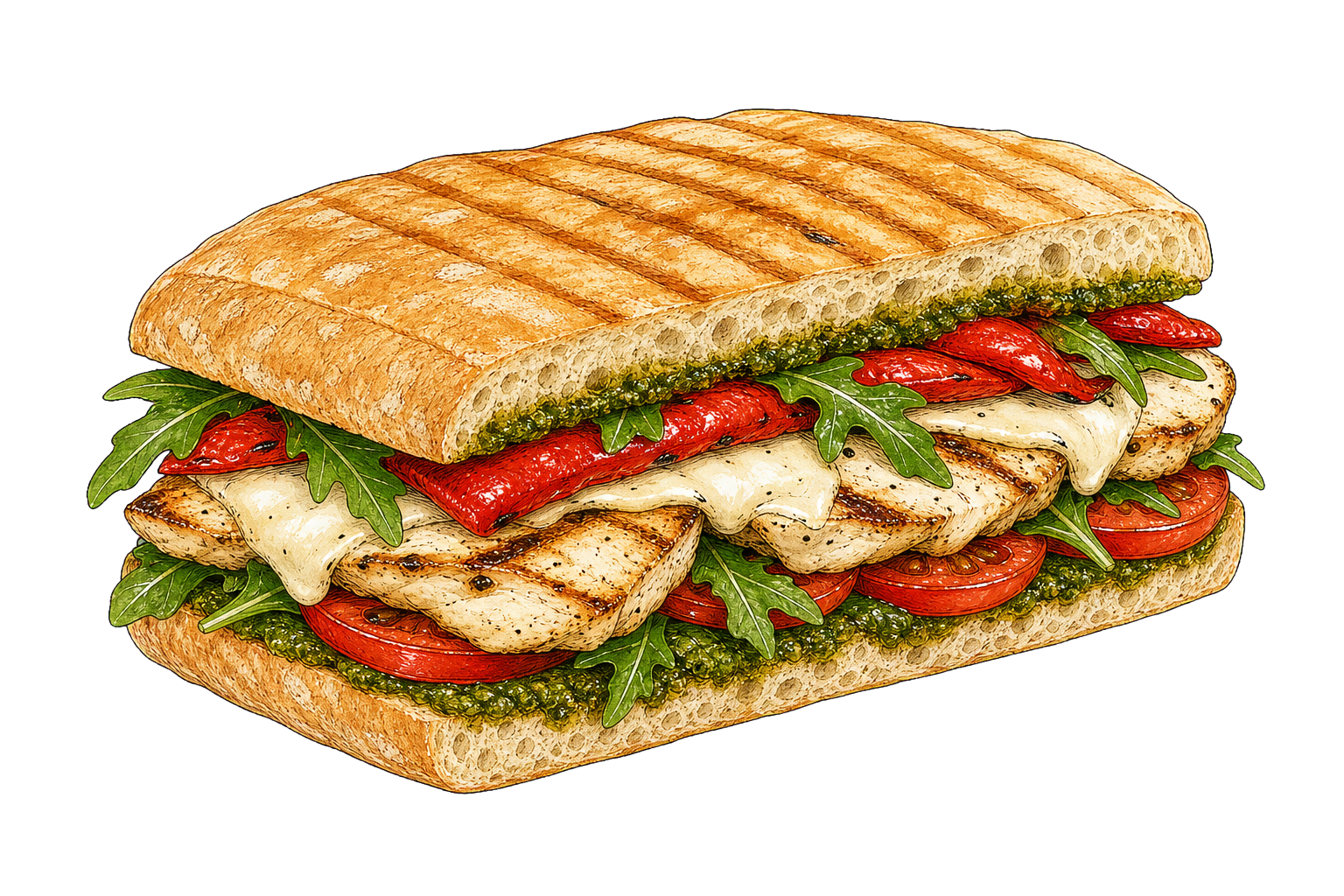
They work especially well with chicken, mozzarella, roasted vegetables, salmon, turkey, and grilled halloumi. The key is thickness. A loose herb sauce should be spooned onto the filling or packed separately; a thicker pesto or herb mayo can be spread directly on bread.
Green sauces can also replace a separate herb layer when the sandwich needs a cleaner structure. Instead of loose basil leaves sliding out of a Caprese sandwich, a thin pesto layer can carry the same fragrance while helping the bread taste seasoned.
Nutty and Tangy Sauces: Tahini, Hummus, Yogurt, and Cream Cheese
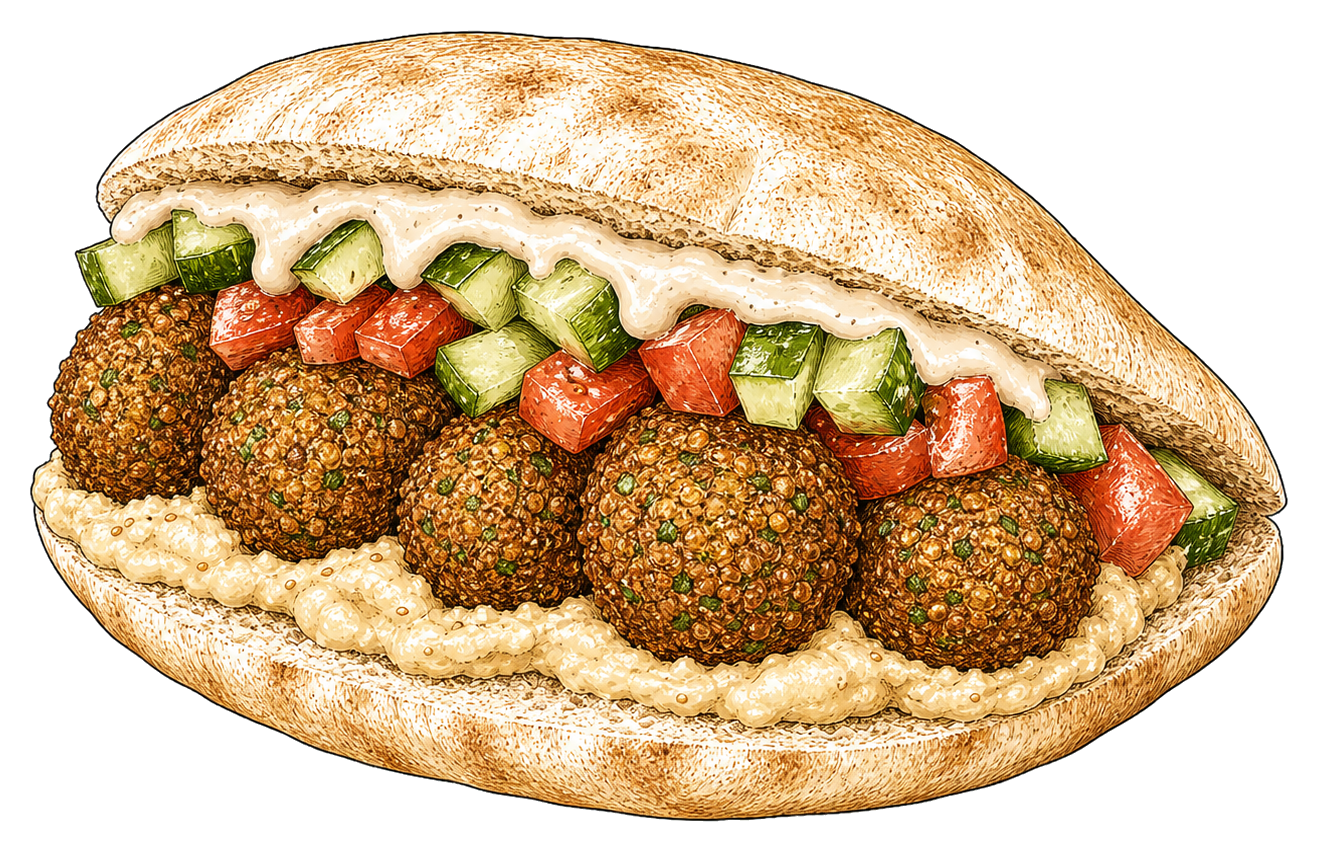
Tahini, hummus, yogurt sauces, labneh-style spreads, and cream cheese bring body without always tasting like mayonnaise. They are especially useful with vegetables, falafel, smoked salmon, cucumber, roasted peppers, and herbs.
Tahini needs acid and salt to avoid tasting heavy. Yogurt needs enough thickness that it coats rather than runs. Cream cheese makes an excellent bread barrier for cucumber tea sandwiches and smoked salmon bagels because it grips both bread and vegetables.
These sauces are also structure tools. Hummus can anchor vegetables inside pita. Cream cheese can hold herbs against soft bread. Thick yogurt can cool a spicy filling without soaking the bread.
Sweet-Savory and Hot Sauces Need Boundaries
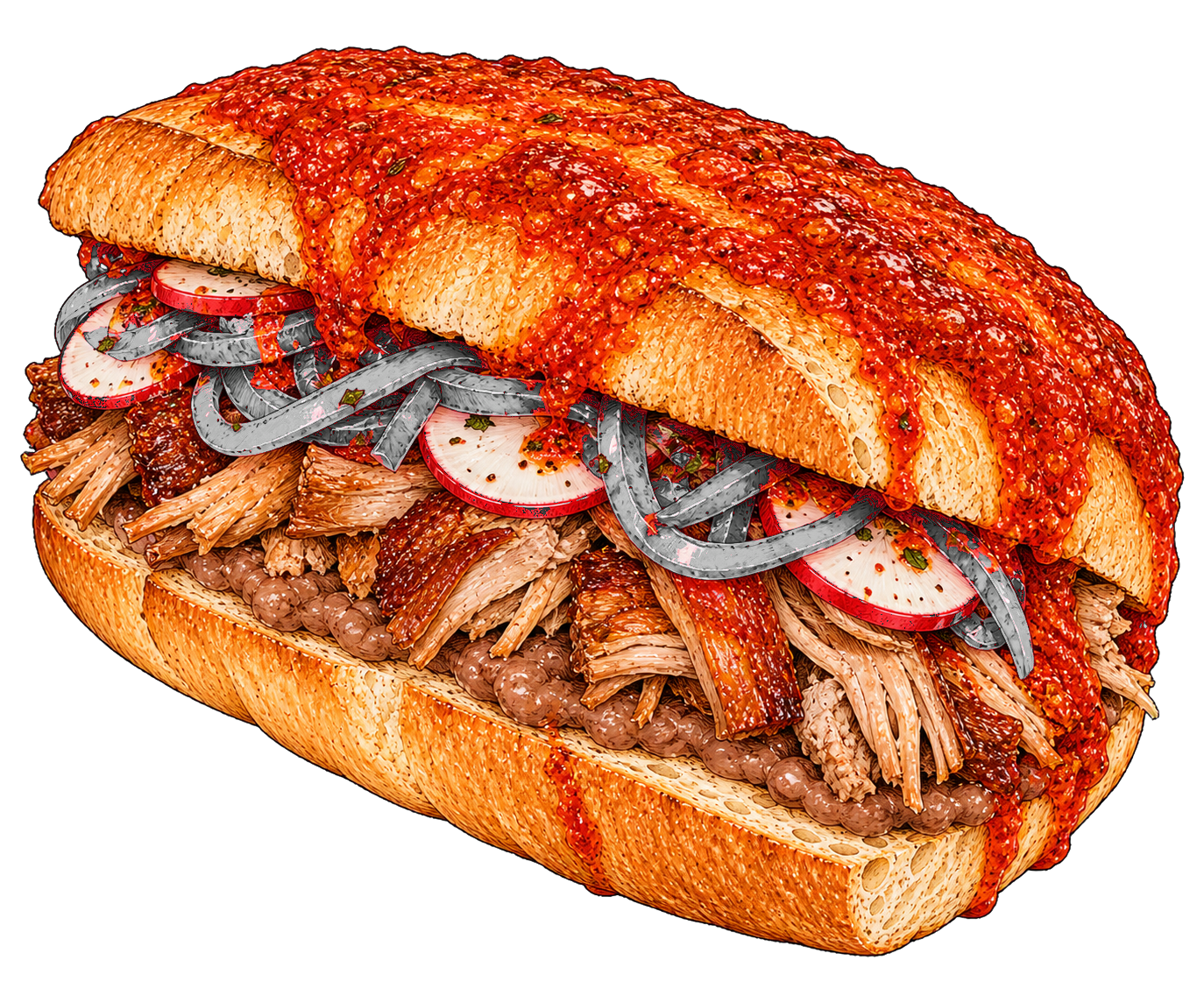
Barbecue sauce, tonkatsu sauce, chutney, hot honey, chili crisp, and hot sauce can make a sandwich memorable, but they need boundaries. Many are sweet, acidic, or loose enough to dominate the bite if used like mayonnaise.
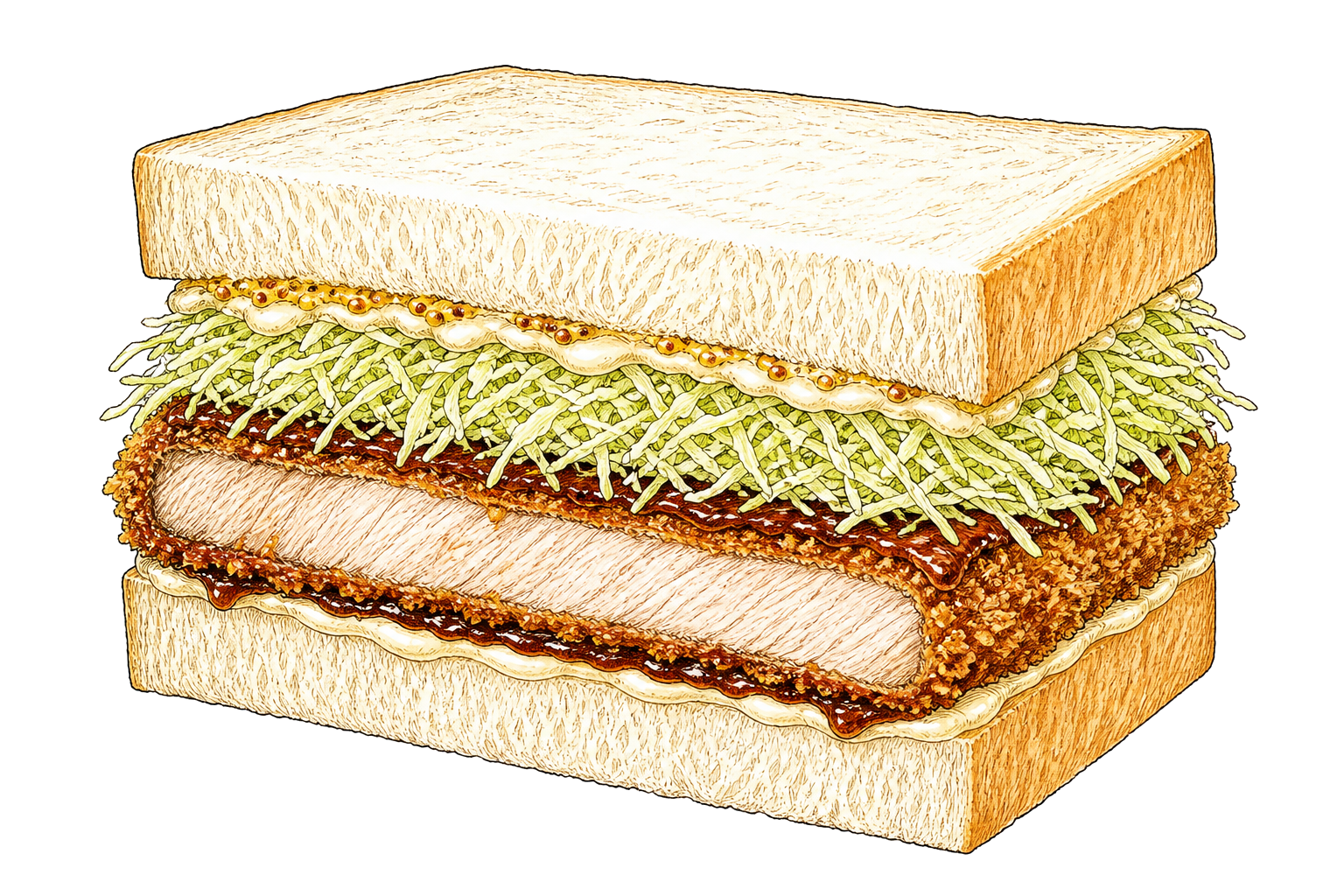
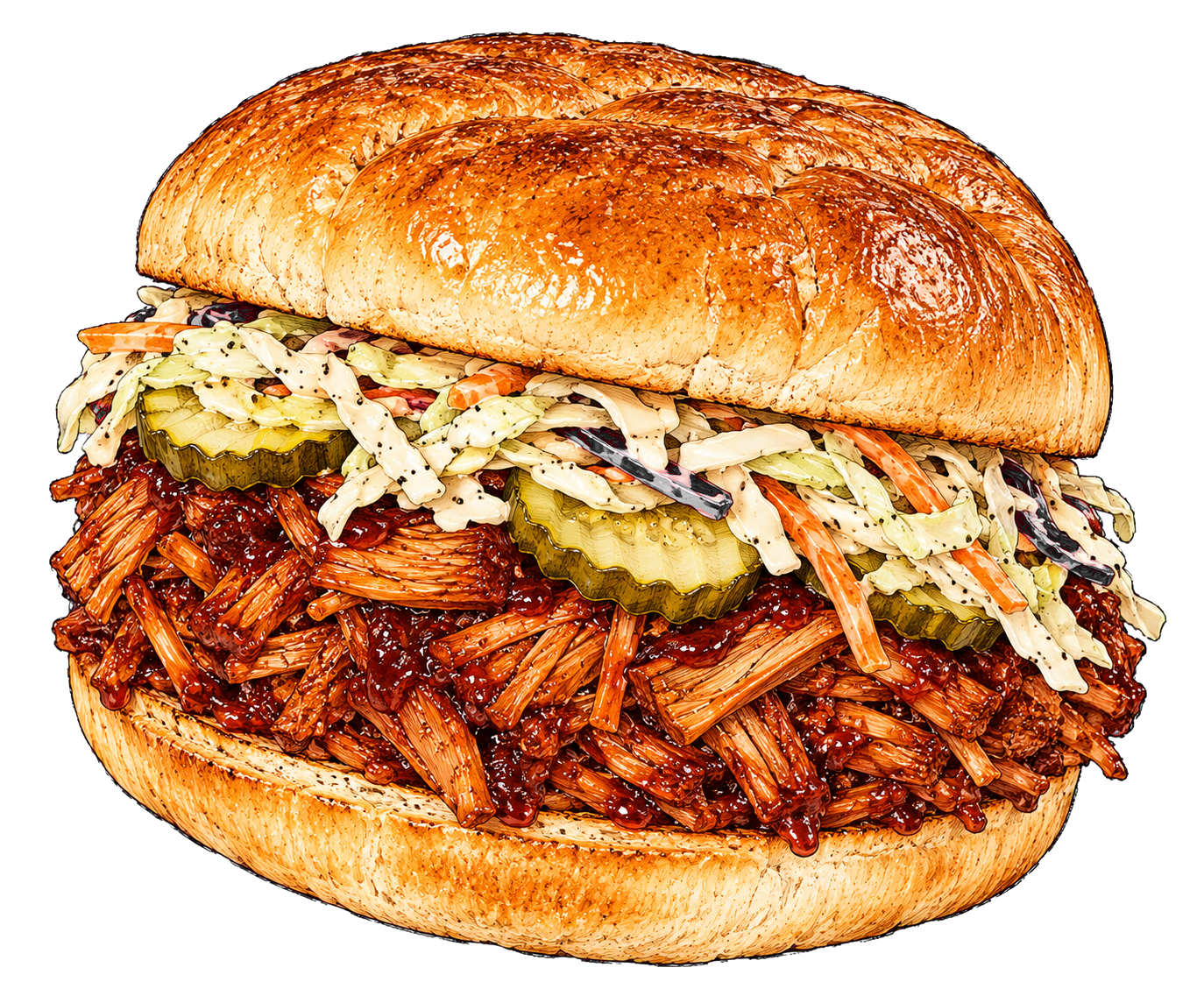
Brush sweet-savory sauces onto the main filling rather than pouring them onto bread. That is why tonkatsu sauce works on a katsu cutlet and barbecue sauce works on pulled pork: the sauce clings to the protein and seasons the center of the sandwich.
For hot sauces, blend with mayonnaise, yogurt, butter, or mustard when you want even coverage. Use straight hot sauce sparingly when the sandwich already has a creamy or fatty layer to catch it.
Where Sauce Belongs in the Stack
Sauce placement matters as much as sauce choice. Spread thick sauces edge to edge so every bite tastes seasoned. Keep thin sauces away from bare bread unless the sandwich will be eaten immediately.
For cold sandwiches, spread a thin fat-based sauce on bread, then add a dry barrier such as lettuce, cheese, meat, or cucumber. For hot sandwiches, sauce the filling when possible, then use cheese or toasted bread to keep the structure compact.
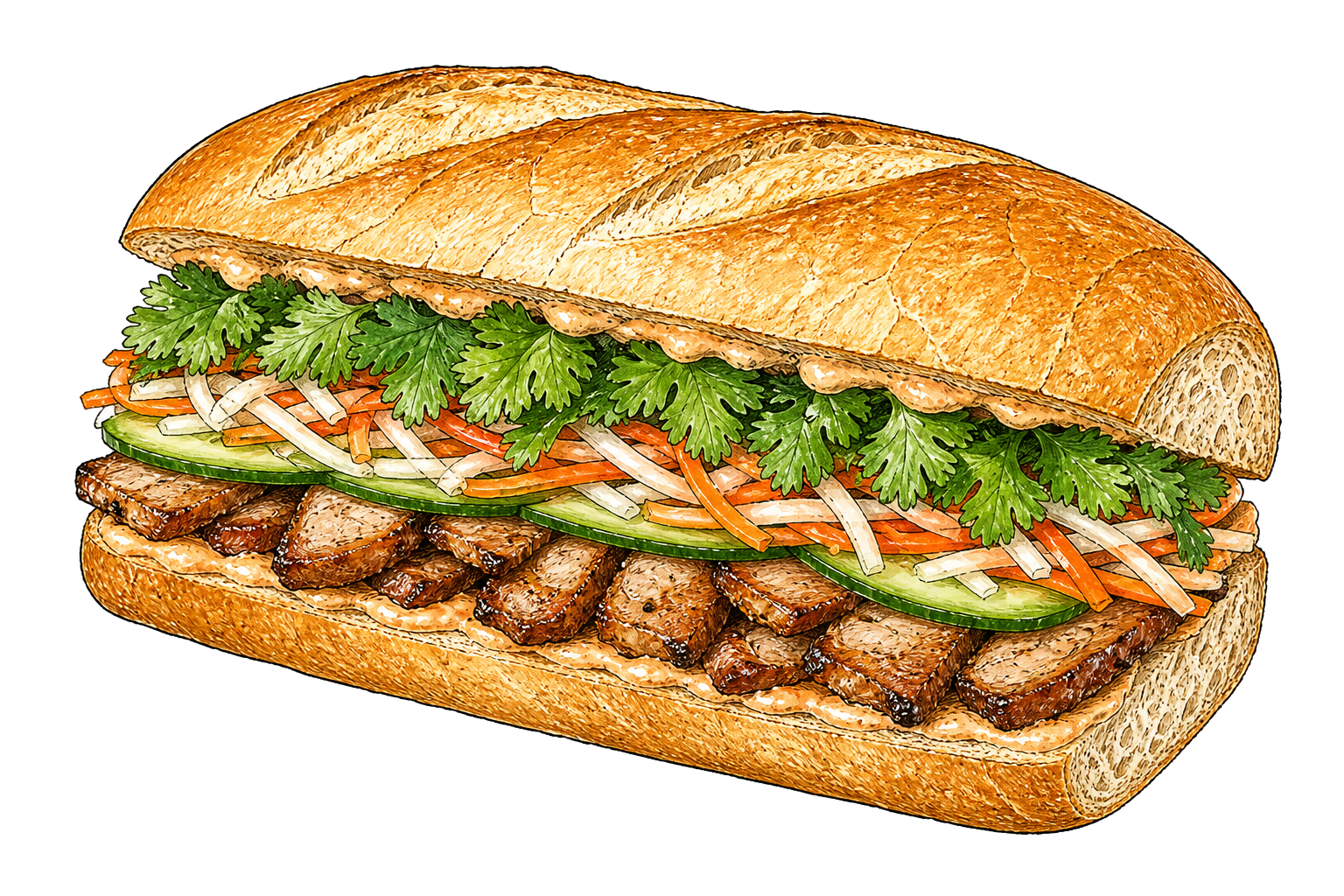
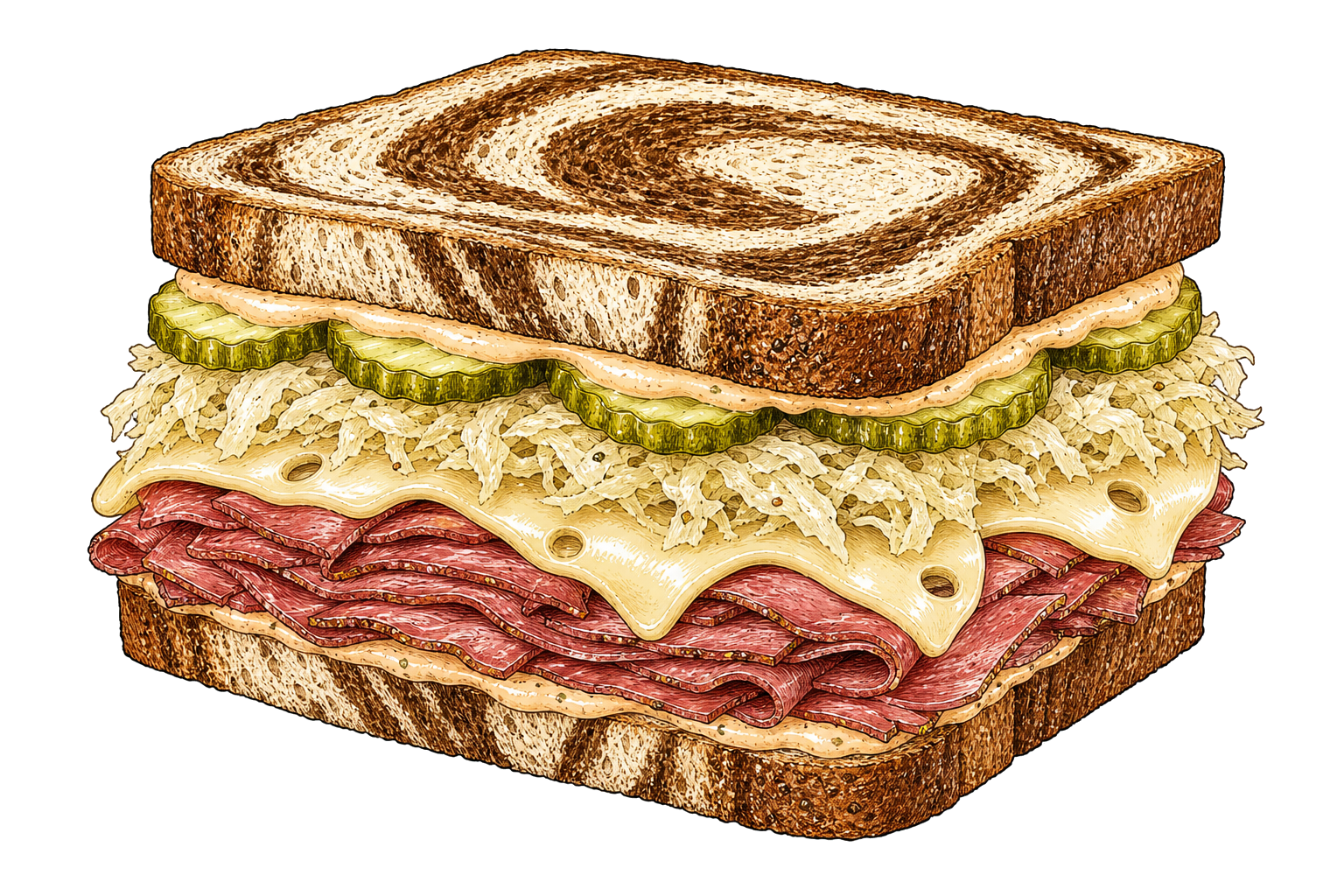
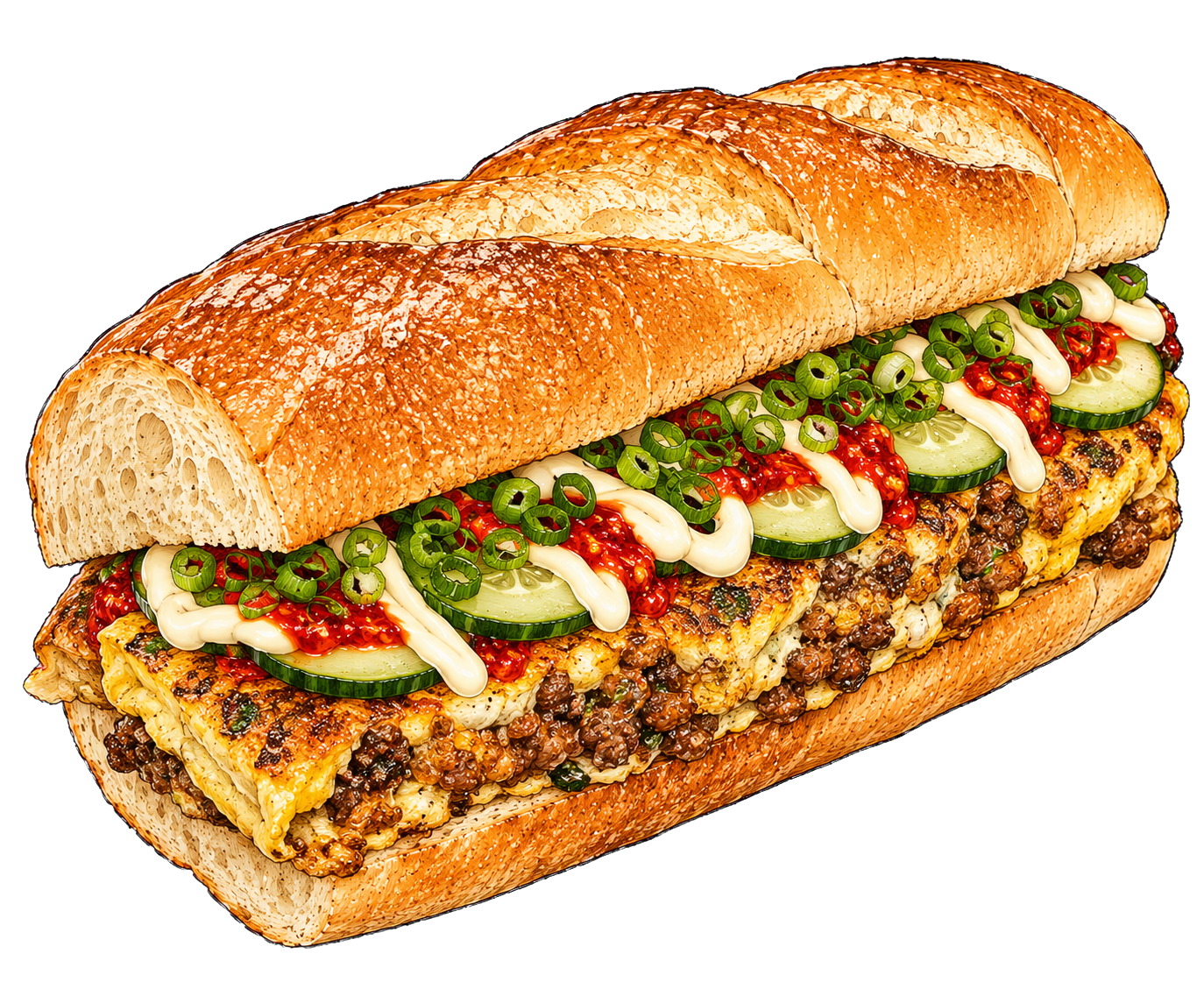
If a sandwich has two sauces, give each one a job. For banh mi, chili mayo can protect and enrich the bread while pickled vegetables provide acid. For a deli sandwich, mustard can sharpen the meat while Russian dressing adds creaminess. Redundancy makes sandwiches muddy.
How to Match Sauces to Sandwich Lovers Recipes
Katsu sando needs a thick sweet-savory sauce on the cutlet, not loose sauce on the bread. Banh mi needs creamy heat plus pickled brightness. Crispy chicken needs creamy heat or tang because fried crust tastes better when the sauce cuts through it.
Falafel pita works with tahini because nutty sauce fits chickpeas and herbs. A roast beef sandwich wants horseradish cream or mustard because beef needs sharpness. A deli classic can handle Russian dressing because rye, pastrami, Swiss, sauerkraut, and pickles already have enough structure to carry it.
The practical rule is simple: choose the sauce that finishes the sandwich, then use only enough to make the next bite better.
Closing
The best sandwich sauce is a balance decision. It should add flavor, protect texture, and make the filling taste more complete without turning bread into a sponge.
Once you think about sauce by job - fat, acid, heat, herbs, sweetness, salt, and placement - the right condiment becomes easier to choose, and the sandwich tastes more deliberate.