
Recipe Support - Grilled Cheese Guide
Best Cheese for Grilled Cheese: Melt, Flavor, and Sandwich Structure
How to choose cheese for grilled cheese by meltability, flavor, slice thickness, bread, and heat.
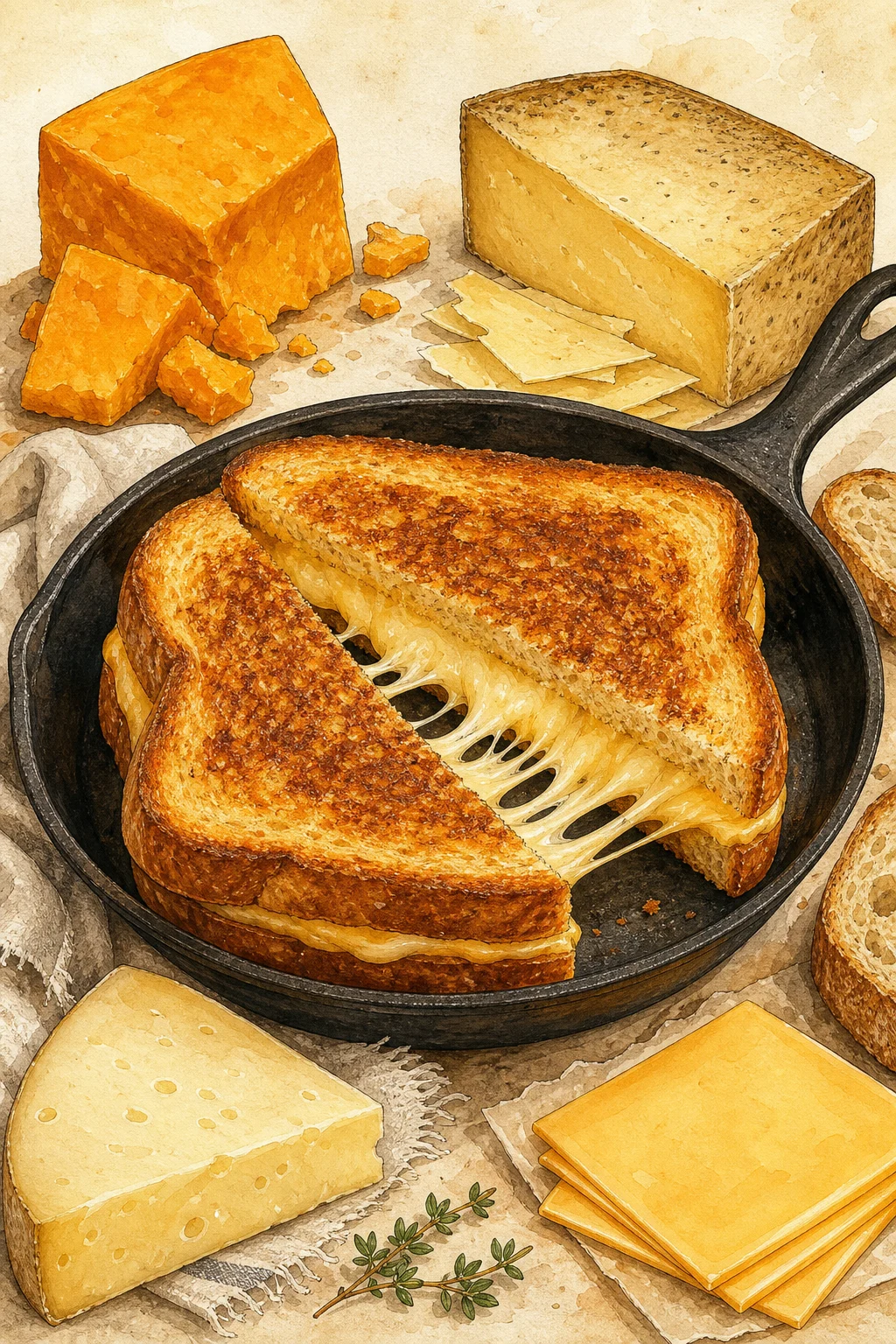
The best cheese for grilled cheese is not only the cheese with the strongest flavor. It is the cheese that melts at the same pace as the bread browns, seasons every bite, and keeps the sandwich creamy without turning greasy.
A grilled cheese looks simple because the ingredient list is short. That is also why the cheese choice matters so much. If the cheese melts slowly, the bread can burn before the center softens. If it melts too loosely, the filling runs out. If it tastes too mild, the sandwich becomes hot bread with dairy in the middle.
The most reliable answer is usually a blend: one cheese for smooth melt, one cheese for flavor, and bread that browns slowly enough to let both do their job.
What Makes a Cheese Melt Well
Meltability depends on moisture, fat, age, acidity, and how tightly the proteins hold together. Younger, moderately moist cheeses tend to relax into a smoother melt. Very aged cheeses can taste wonderful, but they often turn grainy, oily, or stringy before they become creamy.
That does not mean sharp cheese is wrong. It means sharp cheese works best when it is sliced thin, grated finely, or blended with a smoother melter. Think of it as seasoning the melt, not carrying the whole sandwich alone.
For a classic grilled cheese, look for cheeses that soften before the bread over-browns: American, young cheddar, Monterey Jack, fontina, Gouda, Gruyere, havarti, or a mild mozzarella-style slice.
The Most Reliable Blend
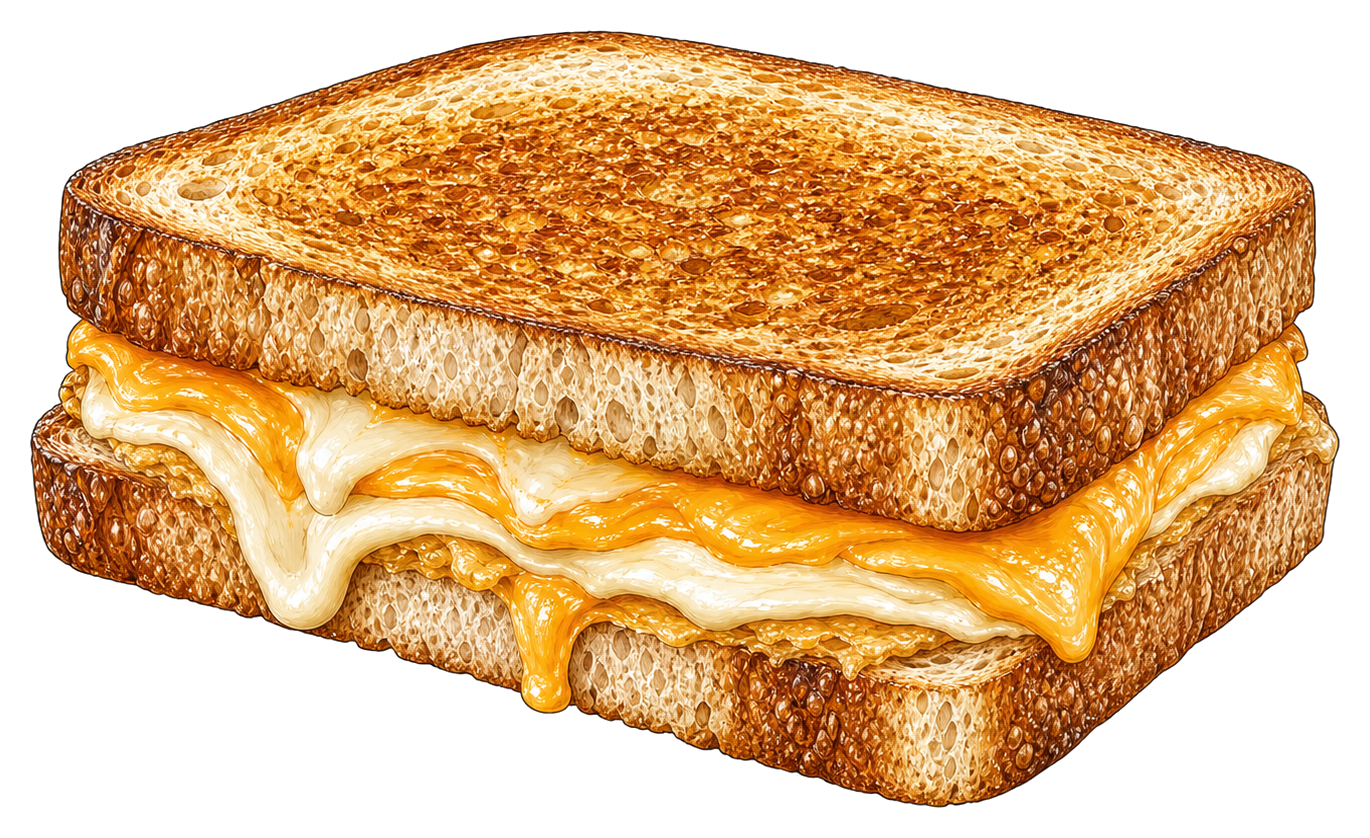
For everyday grilled cheese, use American cheese plus cheddar. American cheese melts smoothly and behaves like a binder. Cheddar brings the deeper dairy flavor people expect from a grilled cheese.
A good ratio is one slice of American to one or two thin slices of cheddar per sandwich. If you want more sharpness, use sharper cheddar in a small amount rather than stacking thick slabs. The goal is a creamy middle that still tastes like cheese.
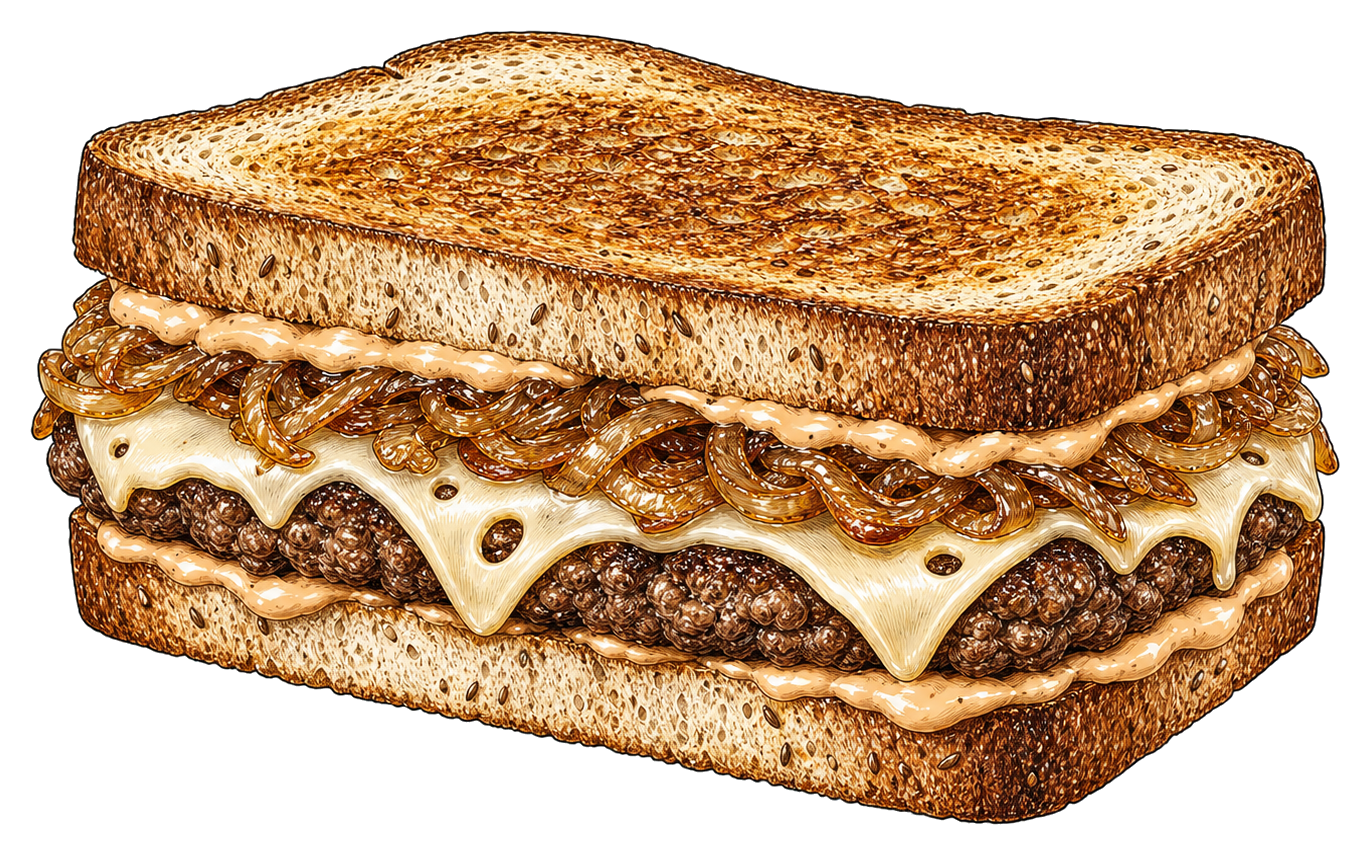
This blend also helps other hot sandwiches. A tuna melt can use cheddar for flavor and American for binding. A patty melt can use Swiss or cheddar with one smooth slice to help the filling stay unified.
Cheese Styles and What They Do
Cheddar gives grilled cheese its familiar sharp, salty profile. Mild or medium cheddar melts more cleanly than extra sharp cheddar, but a little extra sharp cheddar can improve the flavor of a blend.
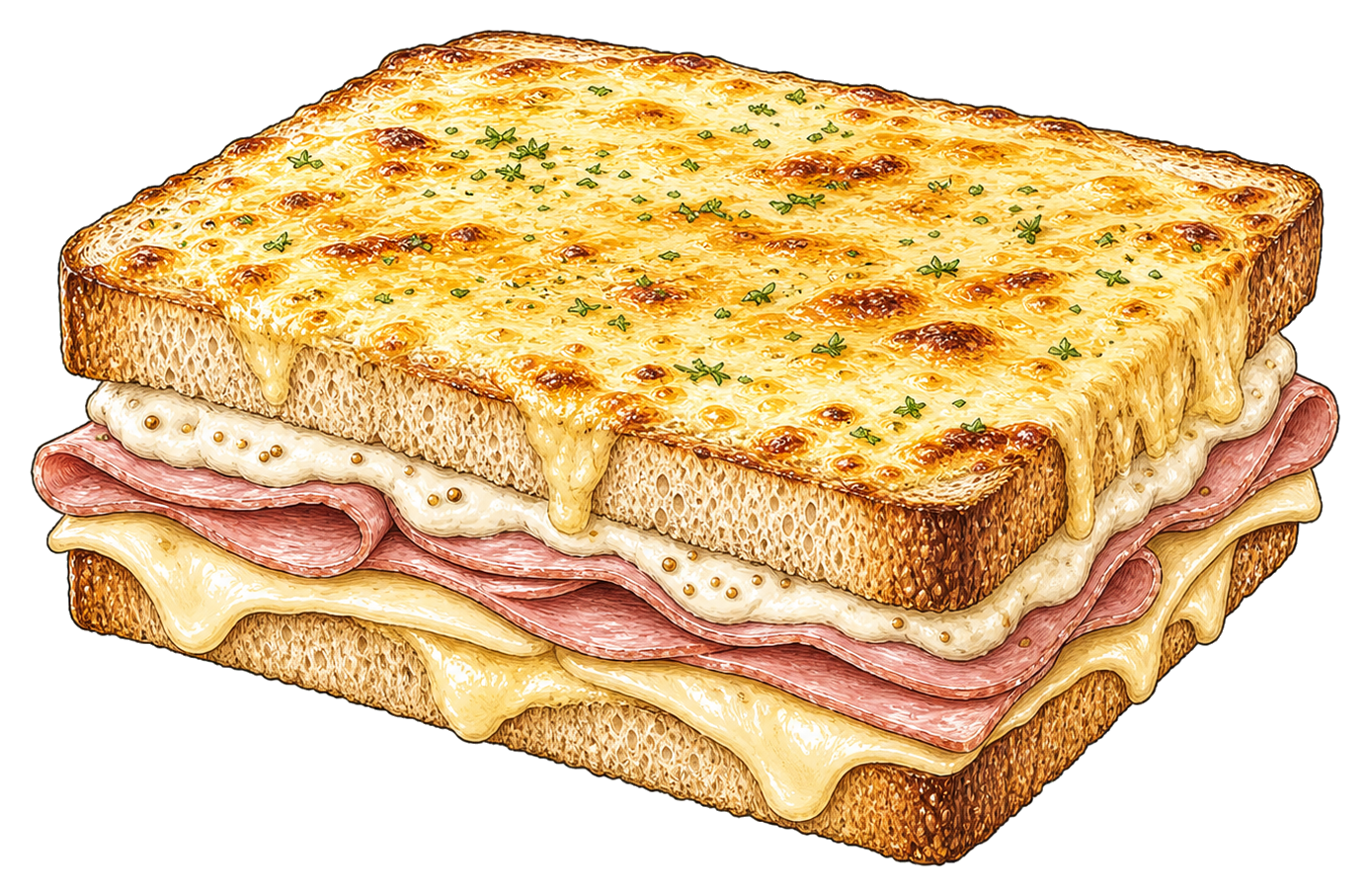
Gruyere brings a nutty, savory depth that feels more bistro than lunch-counter. It is excellent with ham, onions, mustard, or a croque monsieur-style sandwich.
Fontina, havarti, Monterey Jack, and young Gouda are comfort cheeses. They melt generously, taste round rather than sharp, and make the sandwich feel lush without much effort.
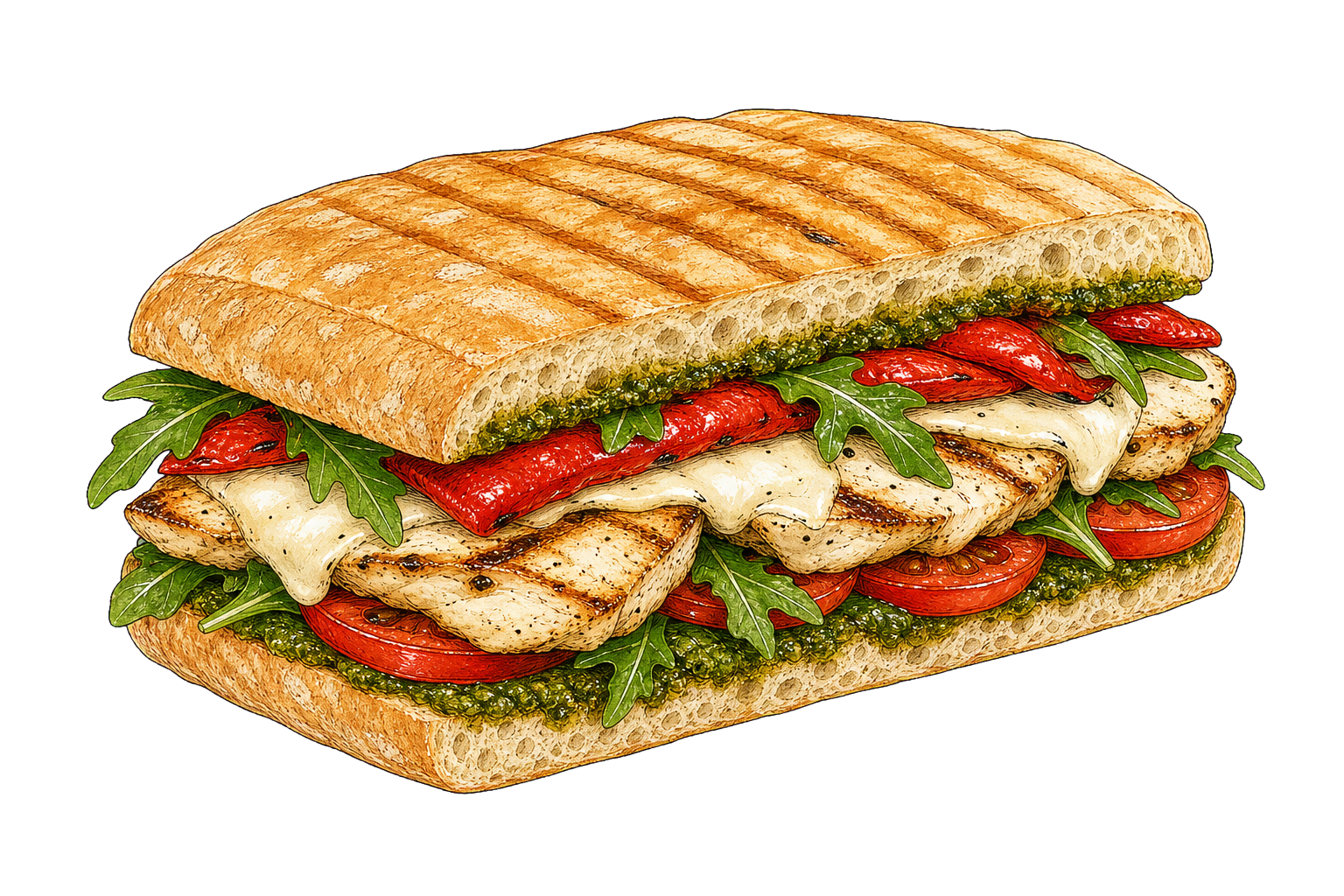
Mozzarella gives a dramatic pull but needs salt or a stronger partner. Use it with cheddar, pesto, tomato, or a salty meat rather than asking it to carry flavor alone.
Slice Thickness Is Sandwich Structure
Cheese thickness changes the whole sandwich. Thin slices melt evenly. Grated cheese melts quickly and fills gaps. Thick cheese looks generous, but it can stay firm while the bread gets too dark.
If the cheese is cold and thick, the pan has to solve two problems at once: melt the center and brown the bread. That is how grilled cheese ends up with a beautiful crust and a stubborn cold seam.
For a cleaner build, let cheese sit out briefly while you prep the bread, slice or grate it evenly, and distribute it all the way to the edges. Edge-to-edge cheese helps the sandwich taste complete and gives the cut line a better molten look.
Bread and Heat Matter as Much as Cheese
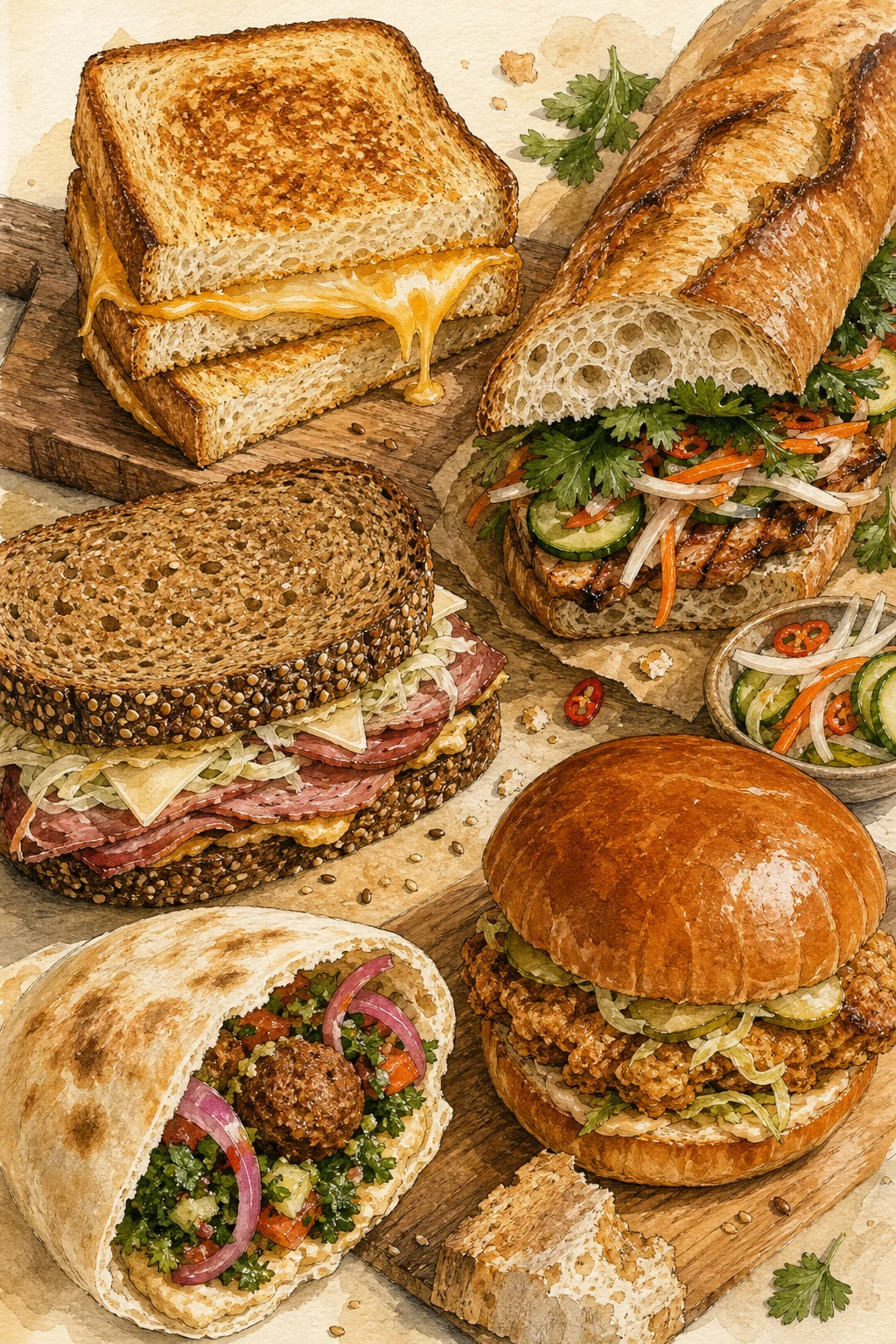
The cheese is only half the timing. The bread needs enough thickness and moisture to brown slowly while the inside melts. Soft sandwich bread, sourdough, brioche, Pullman bread, rye, and hearty whole-grain slices can all work if the heat matches the bread.
Use moderate heat. A skillet that is too hot creates a dark crust before the cheese has time to relax. A covered pan can help the center melt, but use the cover briefly so steam does not soften the crust.
Butter gives classic flavor. Mayonnaise browns evenly. Either one should be spread thinly to the edges, not piled in patches. The outside fat is part of the structure because it controls how the bread browns.
How to Match Cheese to the Sandwich
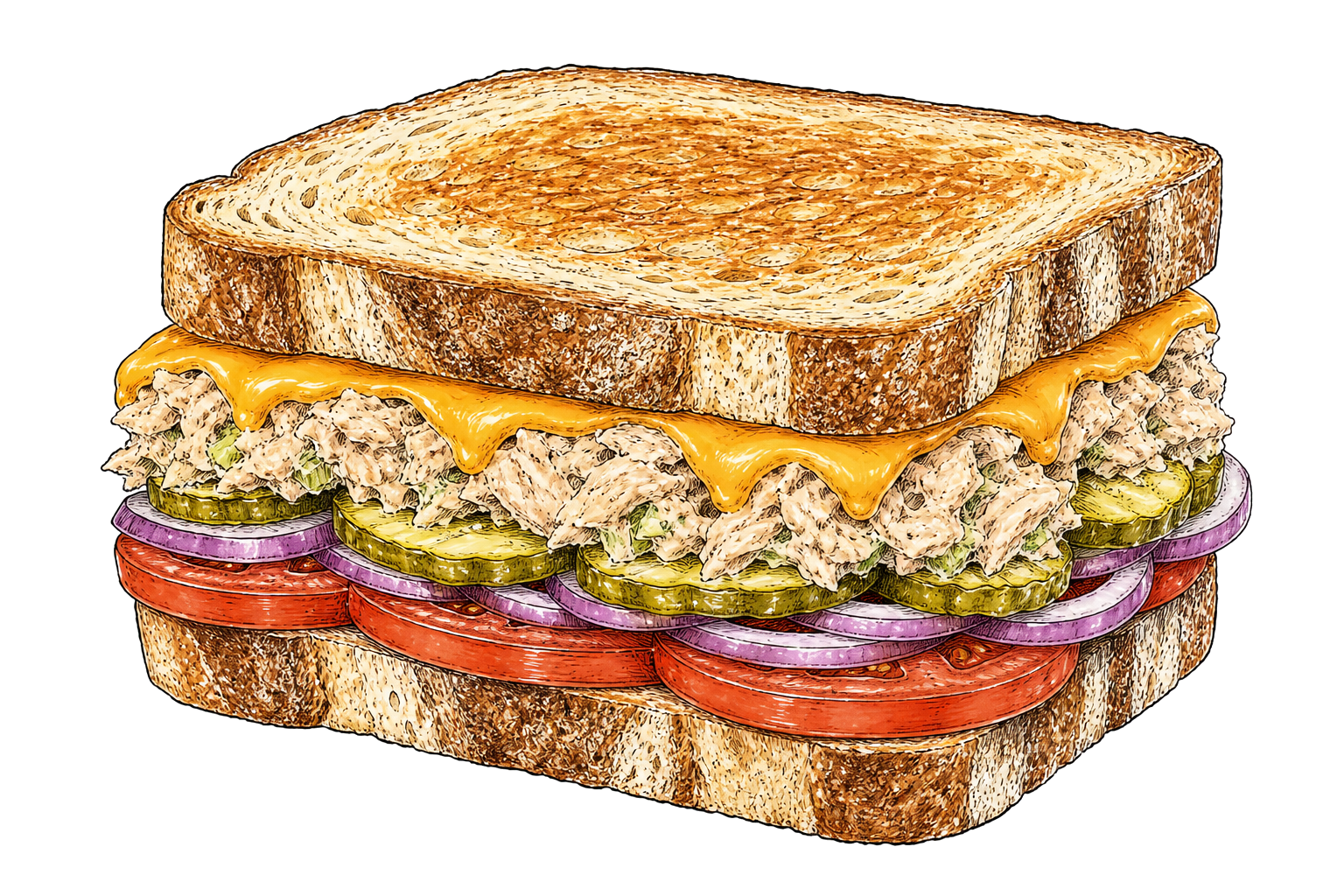
For a plain grilled cheese, choose a smooth melter plus a flavorful cheese. For a tuna melt, cheddar, American, or Swiss should support creamy tuna salad without adding too much oil. For a patty melt, Swiss, cheddar, or American should melt around onions and beef without sliding out.
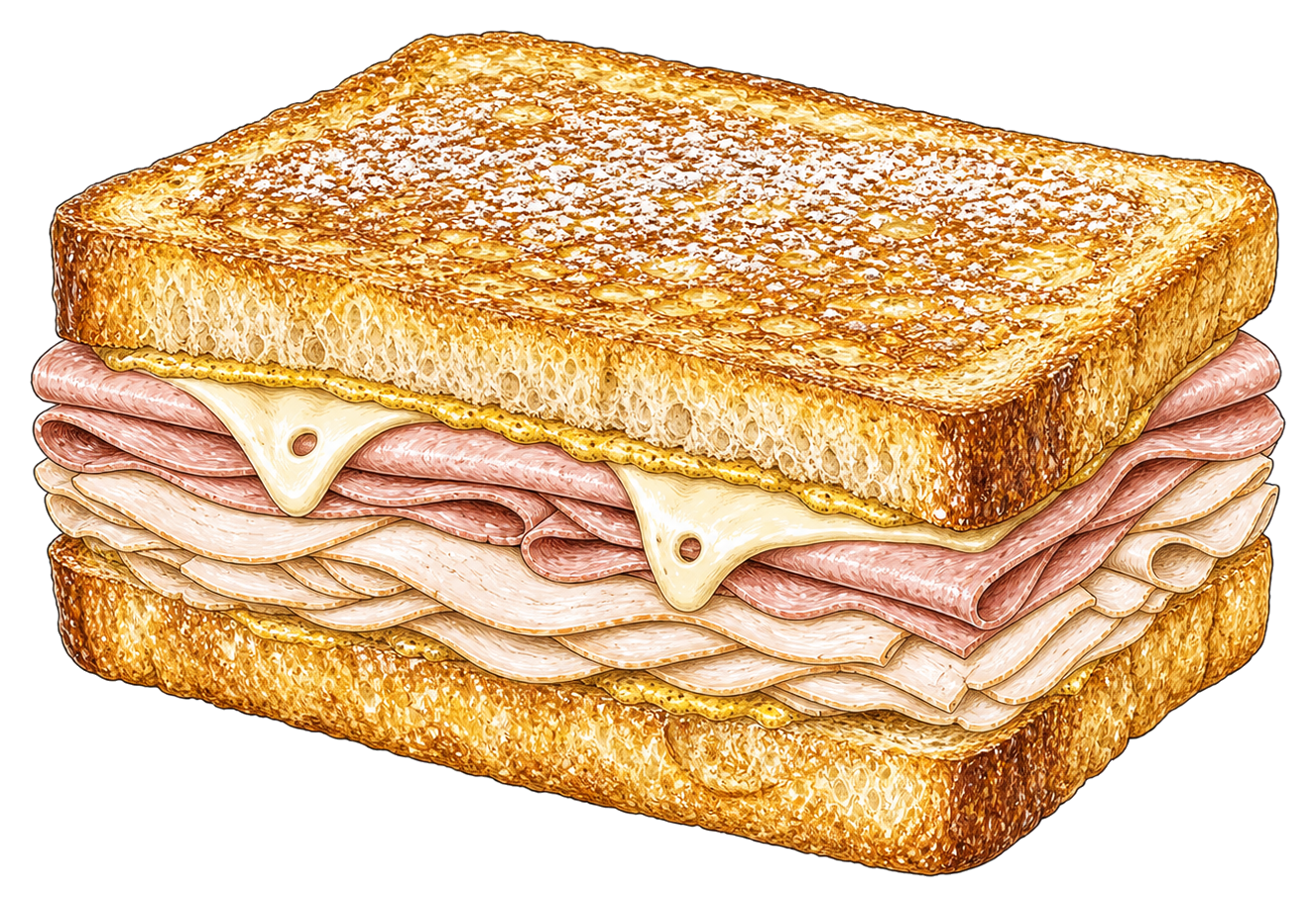
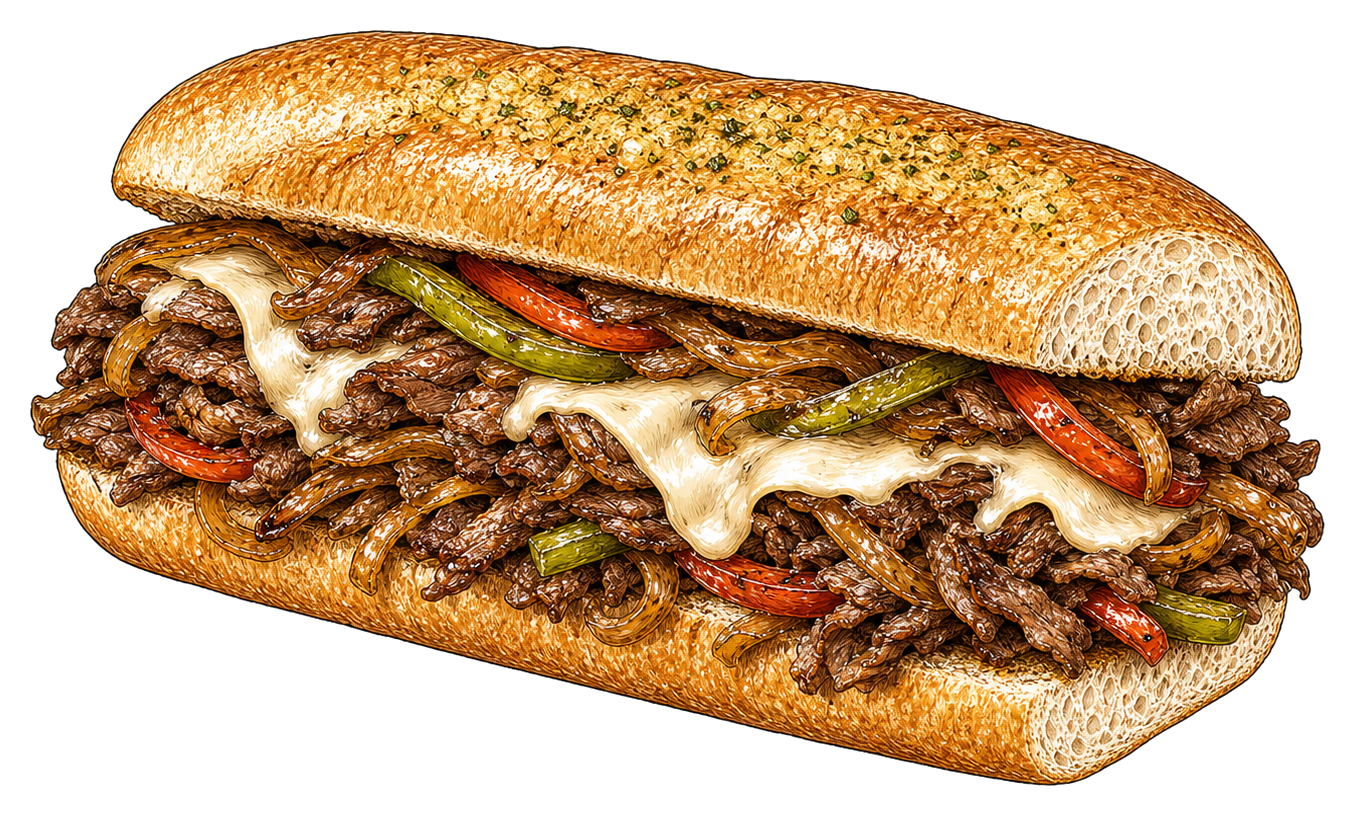
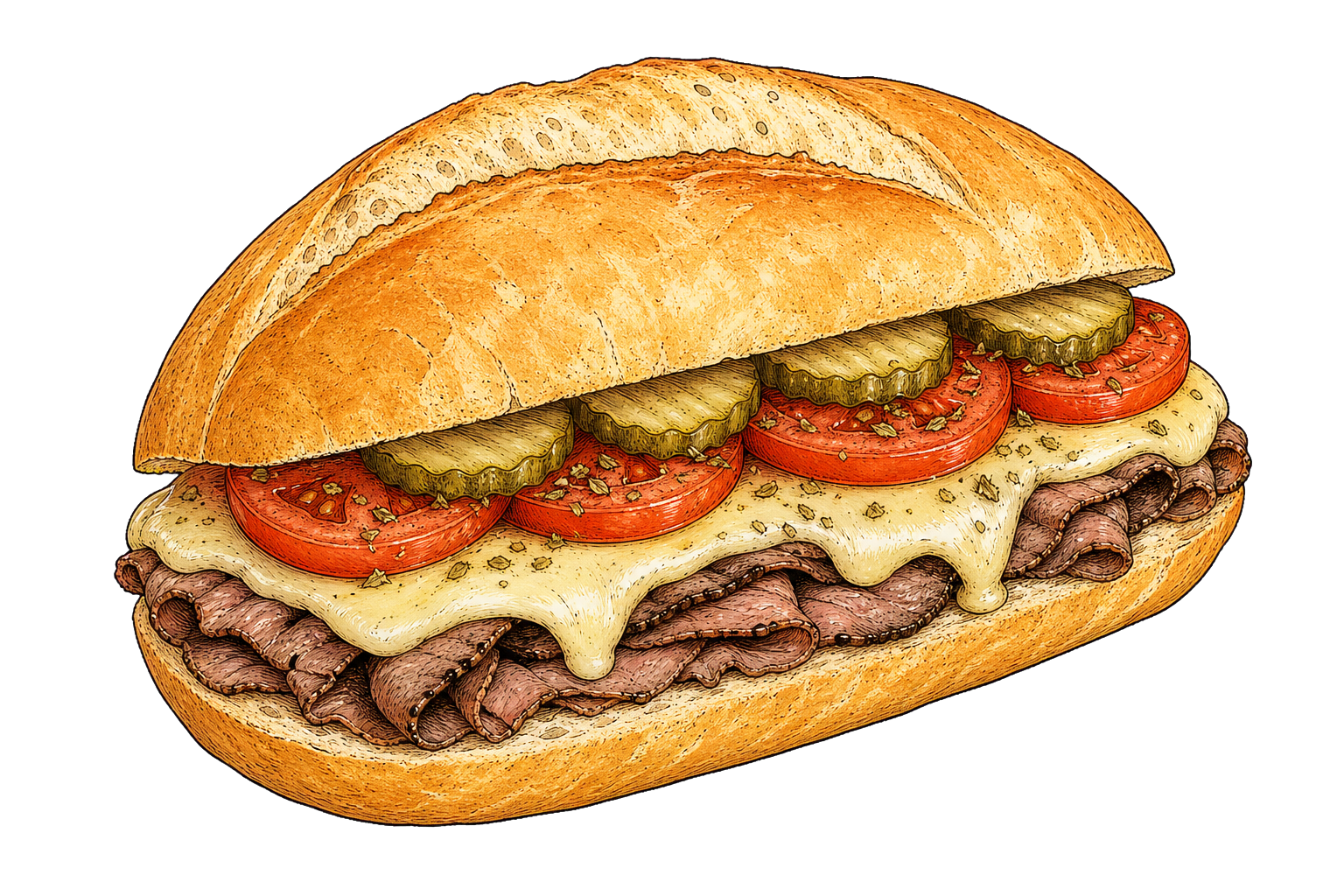
For a croque monsieur, Gruyere makes sense because it brings nutty depth to ham and bread. For a Philly cheesesteak, provolone, American, or a cheese sauce works because the cheese has to coat chopped meat instead of sitting in one clean layer.
If the sandwich already has rich meat, use cheese for salt and binding, not heaviness. If the sandwich is mostly bread and cheese, let the cheese blend carry more personality.
Closing
The best grilled cheese cheese is a decision about timing. Choose cheese that melts before the bread burns, add a stronger cheese only where it improves flavor, and keep slices thin enough to become one creamy layer.
A great grilled cheese should not make you choose between crisp bread and melted cheese. The right blend gives you both.